2025 Guide: How to Choose the Best Domestic Solar Systems for Your Home
As the world increasingly shifts towards sustainable energy solutions, the importance of choosing the right domestic solar systems for residential properties cannot be overstated. The global market for solar energy has been expanding rapidly, with a report from the International Renewable Energy Agency (IRENA) indicating that worldwide solar power capacity has grown over 20% annually in recent years. With advancements in technology and decreasing costs, homeowners are now presented with a plethora of options tailored to their energy needs.
When considering the adoption of domestic solar systems, it is crucial to analyze not just the initial investment, but also potential savings on energy bills and the long-term benefits of reduced carbon footprints. According to a recent study by the U.S. Department of Energy, homeowners can save an average of $10,000 over 20 years by switching to solar energy. This significant financial incentive, coupled with environmental considerations, motivates many to explore the best choices available.
In this guide, we will delve into essential factors that influence the selection of domestic solar systems, ensuring that homeowners make informed decisions to optimize their energy efficiency and sustainability. By understanding the variety of options and their implications, you can navigate the evolving market with confidence, leading to a more sustainable home and a greener future.
Understanding Domestic Solar Systems: Key Components and Functionality
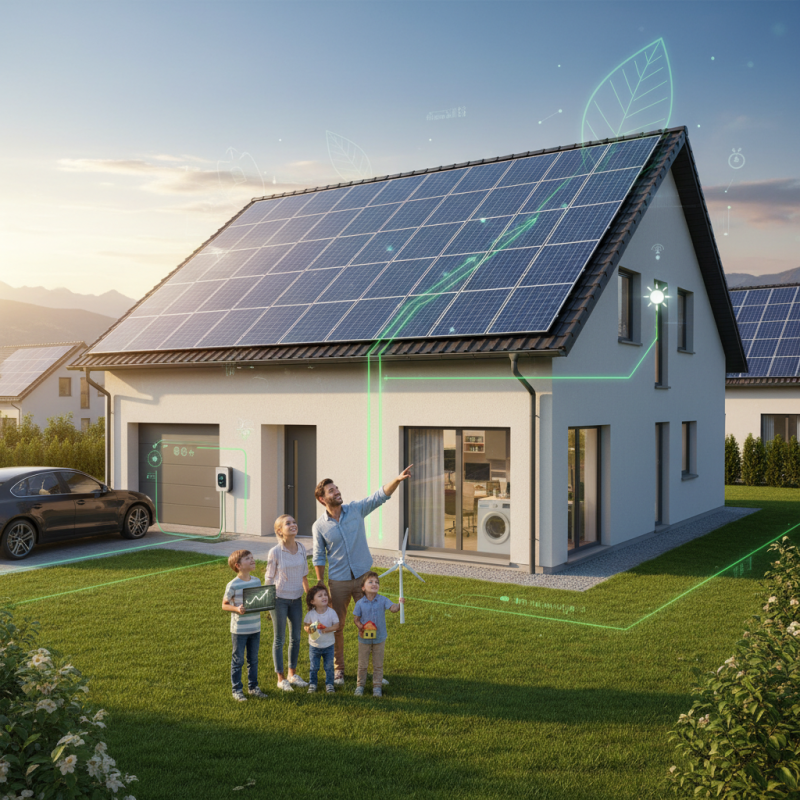
When considering a domestic solar system for your home, it's essential to understand its key components and how they function together to harness solar energy effectively. At the heart of any system are solar panels, which convert sunlight into electricity through the photovoltaic effect. These panels are typically installed on the roof, capturing sunlight throughout the day. The energy produced is direct current (DC), which then needs to be converted into alternating current (AC) for household use.
In addition to solar panels, an inverter plays a crucial role in this process. The inverter’s primary function is to convert the DC electricity generated by the panels into AC electricity that powers your home appliances. Furthermore, many systems incorporate battery storage, allowing excess energy to be stored for use during non-sunny periods. This feature enhances energy independence and helps homeowners utilize solar energy more consistently. Other components may include mounting systems, electrical disconnects, and monitoring devices, all of which ensure that the solar system operates efficiently and safely while providing users with real-time insights into energy production and consumption.
2025 Guide: How to Choose the Best Domestic Solar Systems for Your Home
| System Type |
Energy Output (kWh/year) |
Average Cost ($) |
Inverter Type |
Warranty (Years) |
Installation Time (Days) |
| Monocrystalline |
1200 |
15000 |
String Inverter |
25 |
2 |
| Polycrystalline |
1000 |
12000 |
Microinverter |
20 |
3 |
| Thin-Film |
800 |
10000 |
String Inverter |
15 |
4 |
| Bifacial |
1300 |
18000 |
Hybrid Inverter |
30 |
2 |
Evaluating Your Energy Needs: How to Calculate Solar Power Requirements
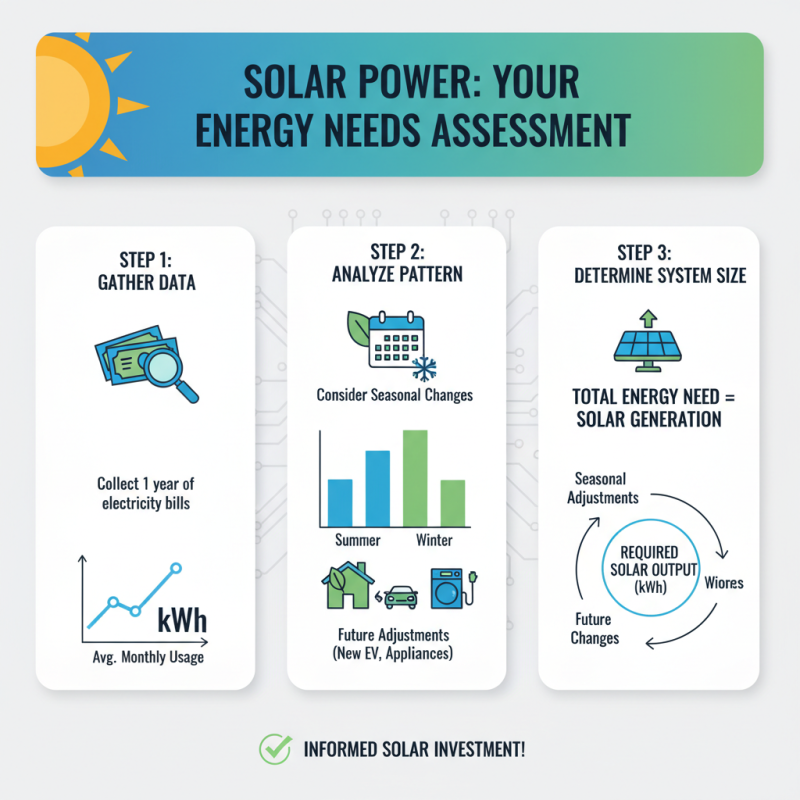
When evaluating your energy needs for a solar power system, the first step is to calculate your household energy consumption. This involves gathering your electricity bills from the past year to determine your average monthly usage in kilowatt-hours (kWh). Once you have this figure, you can break it down further—consider seasonal variations in usage and any expected changes, such as adding new appliances or electric vehicles. This detailed understanding will provide a clear picture of how much energy your solar system should generate.
Tips: Consider using an online energy calculator to help estimate your solar power requirements easily. Additionally, consulting with a solar energy specialist can provide tailored insights based on your home’s orientation, location, and roof size, all of which impact solar panel efficiency.
Finally, don’t forget to account for energy efficiency improvements in your home. By upgrading to energy-efficient appliances and lighting, you can significantly reduce your overall energy consumption before installing solar panels. This not only lowers the size of the solar system you need but also maximizes the benefits of going solar in the long run.
Tips: Conduct a home energy audit to identify areas for improvement and potential savings. Investing in energy efficiency can complement your solar installation and enhance your home's overall sustainability.
Types of Solar Systems: Grid-Tied, Off-Grid, and Hybrid Options Explained
When considering the implementation of solar energy in your home, understanding the different types of solar systems—grid-tied, off-grid, and hybrid—is essential to making an informed decision.
Grid-tied systems are directly connected to the utility grid, allowing homeowners to use solar energy during the day and draw power from the grid at night or during cloudy weather. This option typically requires no battery storage, reducing costs while enabling net metering, where excess energy produced can be sold back to the grid. This setup is ideal for those looking for a reliable and cost-effective way to harness solar power without completely relying on battery storage.
In contrast, off-grid systems operate independently of the utility grid. These systems are equipped with battery storage, allowing homeowners to store solar energy for use during nighttime or in emergencies.
Off-grid solutions are perfect for remote locations lacking infrastructure or for those desiring complete energy independence. However, they often require a more significant initial investment due to the additional components and maintenance involved.
Lastly, hybrid systems combine the best features of both grid-tied and off-grid options. They allow for connection to the grid while also providing battery storage, ensuring a stable power supply during outages or high-demand periods. By understanding these distinctions, homeowners can select the most suitable solar system to meet their specific energy needs and lifestyle.
Factors to Consider: Cost, Efficiency, and Installation Considerations
When selecting a domestic solar system for your home, several key factors should be considered to ensure a wise investment. Cost is one of the primary considerations. According to the Solar Energy Industries Association (SEIA), the average cost of a residential solar panel system is between $15,000 and $25,000 before tax credits and incentives. Understanding the local incentives can significantly reduce this initial cost, making solar energy more accessible. Homeowners should also consider financing options, such as solar loans and leases, which can lower upfront expenses and facilitate easier transitions to solar energy.
Efficiency plays another critical role in choosing the right solar system. The efficiency of solar panels, measured as the percentage of sunlight converted into usable electricity, varies significantly. Typical residential solar panels range from 15% to over 22% efficiency as reported by the National Renewable Energy Laboratory (NREL). Homeowners should evaluate their energy needs and select a panel type that aligns with their consumption patterns while maximizing space on their roofs. Additionally, installation considerations cannot be overlooked. The complexity of the installation process can affect both the cost and the timeline for solar projects. According to research from the Lawrence Berkeley National Laboratory, professional installation services may add about 10-15% to the total system cost, but this investment can ensure optimal performance and adherence to local regulations. Proper planning and skilled installation can enhance the overall sustainability and longevity of the solar system.
Choosing a Reliable Installer: Tips for Selecting the Right Professional
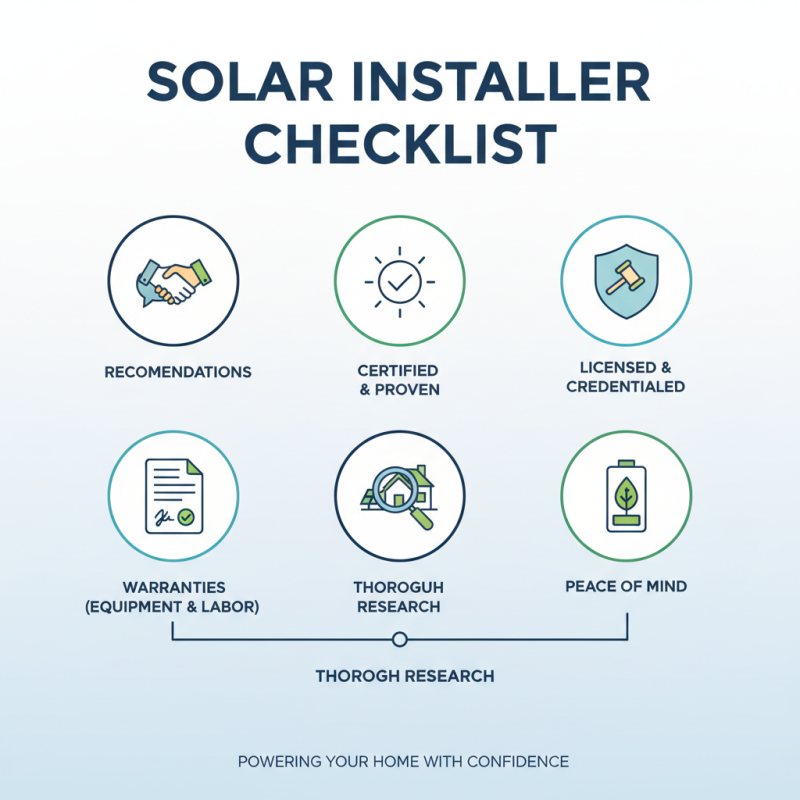
When selecting a reliable installer for your domestic solar system, it’s essential to conduct thorough research. Start by asking for recommendations from friends, family, or local environmental organizations. Look for installers who are certified and have a proven track record in the solar industry. Always check their credentials and ensure they are properly licensed to operate in your area. A reputable installer will also offer warranties on both the equipment and the installation services, providing you with additional peace of mind.
Next, arrange consultations with multiple installers to discuss your specific needs and get a clearer understanding of their offerings. Pay attention to their communication style; a good installer will listen to your concerns and explain technical aspects in an accessible manner. Request detailed quotes that clearly outline the costs involved, including installation and maintenance. Additionally, inquire about their previous projects or client references, which can offer valuable insight into their reliability and workmanship. Taking these steps can help ensure that you choose a professional who will deliver high-quality installation and support for your solar energy needs.