2025 How to Find Sustainable Energy Solutions for a Greener Future
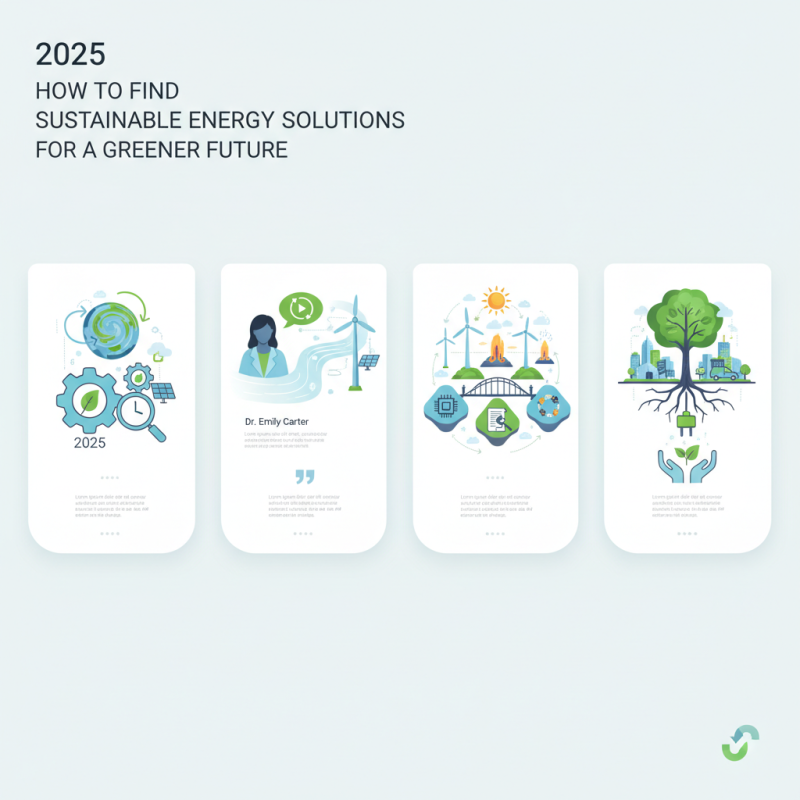
As we look towards 2025, the quest for sustainable energy solutions has become more critical than ever in shaping a greener future. In a world grappling with the impacts of climate change, the demand for innovative and environmentally friendly energy options is paramount. According to Dr. Emily Carter, a renowned expert in renewable energy systems, "The transition to sustainable energy solutions is not just an option; it is a necessity for the survival of our planet." This statement encapsulates the urgency and importance of finding viable alternatives to traditional energy sources.
The journey towards holistic energy solutions requires a collaborative effort across various sectors, including technology, policy, and community engagement. As we explore potential avenues for sustainable energy, we must consider advancements in solar, wind, and other renewable technologies that promise to reduce our ecological footprint. Furthermore, fostering educational initiatives and advocating for legislative support are essential to encourage wider adoption of these alternatives.
In conclusion, the pursuit of sustainable energy solutions is fundamental to creating a more sustainable future. By harnessing innovative technologies and championing collaborative efforts, we can pave the way for a world that values environmental stewardship and ensures the well-being of future generations.
Understanding the Importance of Sustainable Energy Solutions
The importance of sustainable energy solutions has become increasingly paramount in addressing the escalating challenges of climate change and resource depletion. According to the International Energy Agency (IEA), global energy demand is expected to rise by nearly 30% by 2040. This growth necessitates a profound transition towards renewable energy sources, which currently account for approximately 29% of global electricity generation. Investing in sustainable energy not only reduces greenhouse gas emissions but also enhances energy security and creates new economic opportunities.
Incorporating sustainable energy sources like solar, wind, and hydroelectric has proven to be a viable pathway for countries aiming to decarbonize their economies. The World Bank reports that scaling up renewable energy can help nations reduce reliance on fossil fuels, which are projected to contribute to around 75% of total CO2 emissions by 2025 if current trends continue. Furthermore, the adoption of sustainable energy solutions is crucial for improving air quality, as studies indicate that renewable energy can significantly decrease air pollutants, leading to improved public health outcomes. The transition to cleaner energy not only fosters environmental sustainability but also aligns with global commitments, including the Paris Agreement, thus highlighting the integral role of sustainable energy in crafting a greener future.
Key Principles of Sustainable Energy Development
Sustainable energy development is pivotal for addressing the escalating challenges of climate change and energy security. One key principle is the integration of renewable energy sources, which, according to the International Renewable Energy Agency (IRENA), could supply up to 86% of global power by 2050 if adequately advanced. Innovations in solar, wind, and hydroelectric technologies are essential for this transition. The United Nations outlines that transitioning to renewables and enhancing energy efficiency could lead to a reduction of 70% in global greenhouse gas emissions by mid-century, underscoring the urgency of implementing sustainable solutions.
Another essential principle involves fostering energy accessibility and equity. The World Energy Council estimates that around 1 billion people worldwide still lack access to electricity, limiting their socio-economic development. As we pursue sustainable energy solutions, it is crucial to ensure that efforts are inclusive, targeting the needs of underserved communities. Investment in decentralized energy systems, such as microgrids powered by renewables, not only provides cleaner energy but also empowers local economies and reduces dependency on fossil fuels. By prioritizing these principles, a greener and more sustainable future can be realized.
Innovative Technologies Shaping the Future of Sustainable Energy
The quest for sustainable energy solutions is increasingly becoming a priority as the world grapples with climate change and environmental degradation. Innovative technologies play a pivotal role in this transformation. Renewable energy sources like solar, wind, and hydroelectric power are at the forefront, as advancements in efficiency and storage capabilities enable us to harness natural resources more effectively. For instance, the development of high-capacity batteries is crucial, allowing excess energy generated during peak production times to be stored and utilized when demand is high. This enhances the reliability of renewable energy resources and reduces dependence on fossil fuels.
In addition to energy generation, innovative technologies are reshaping the landscape of energy consumption. Smart grids and energy management systems facilitate real-time monitoring and distribution of energy, optimizing usage patterns and minimizing waste. Moreover, the rise of decentralized energy systems empowers communities to produce and manage their own energy, thus fostering resilience and sustainability. Emerging solutions, such as artificial intelligence and machine learning, are beginning to analyze data trends to predict energy demands more accurately, ensuring a steady supply while promoting energy conservation practices. As these technologies continue to evolve, they hold the key to a more sustainable and environmentally friendly future.
2025 Sustainable Energy Solutions: Innovative Technologies Shaping the Future
This chart represents the projected increase in the adoption of various sustainable energy technologies by 2025, illustrating the shift towards renewable sources.
Policy Frameworks Supporting Sustainable Energy Initiatives
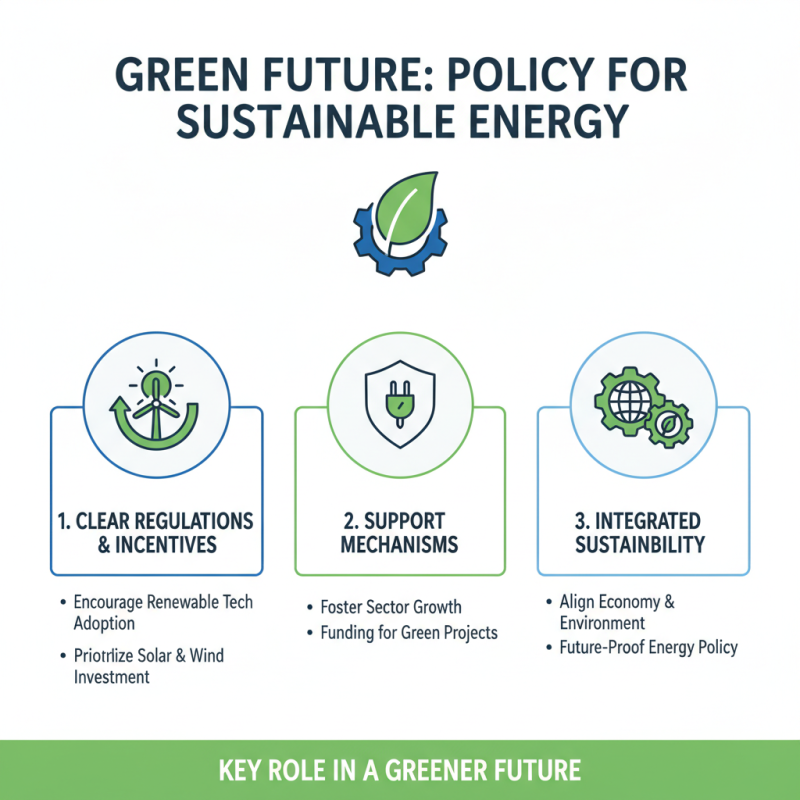
Effective policy frameworks play a crucial role in promoting sustainable energy initiatives and ensuring a greener future. By establishing clear regulations, incentives, and support mechanisms, governments can encourage the development and adoption of renewable energy technologies. Policies that prioritize investments in solar, wind, and other renewable resources can create a more favorable environment for the growth of sustainable energy sectors. Moreover, integrating sustainability into existing energy policies ensures that economic development aligns with environmental protection goals.
International collaboration is also essential in shaping robust policy frameworks that transcend national boundaries. Sharing best practices and success stories can inspire governments to implement innovative solutions tailored to their specific contexts. Additionally, international agreements aimed at reducing carbon emissions, such as the Paris Agreement, can help synchronize global efforts toward sustainable energy transition. This collaborative approach not only drives investment into clean energy infrastructure but also fosters technological advancements through shared research and development initiatives, paving the way for a truly sustainable energy future.
Community Engagement in Promoting Sustainable Energy Practices
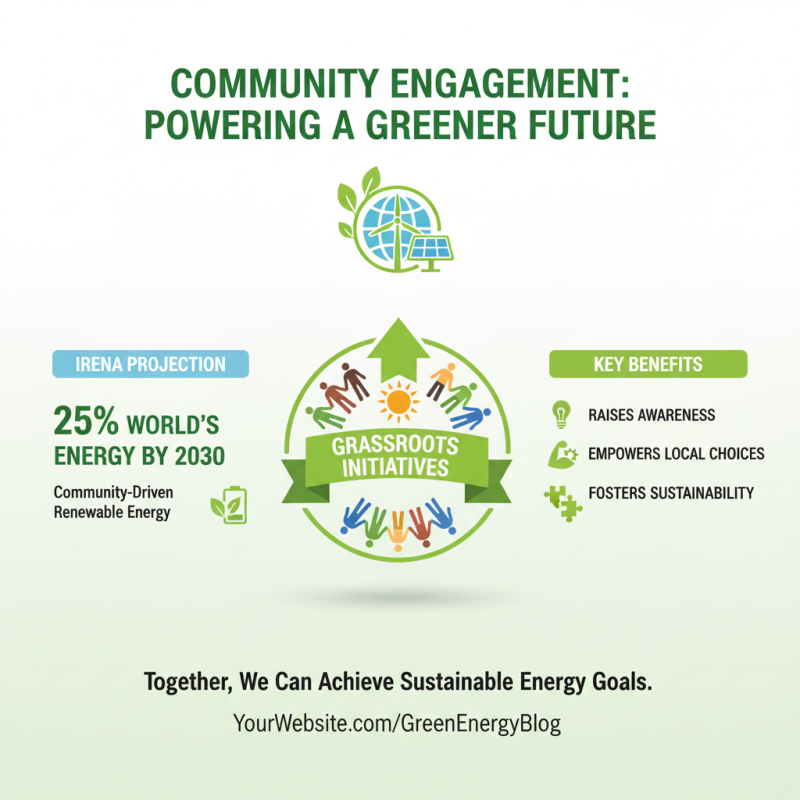
Community engagement plays a vital role in fostering sustainable energy practices that contribute to a greener future. According to the International Renewable Energy Agency (IRENA), community-driven renewable energy projects have the potential to generate about 25% of the world’s energy by 2030. This highlights the significant impact that grassroots initiatives can have when people come together to promote sustainable energy solutions. Engaging local residents not only helps in raising awareness about renewable energy options but also empowers them to take active roles in their energy choices.
Moreover, the United Nations Development Programme (UNDP) reports that communities that participate in sustainable energy initiatives are more likely to adopt energy-efficient practices and technologies. This engagement can take many forms, such as community workshops, local energy audits, and clean energy fairs, which serve to educate and inspire individuals to shift toward more sustainable practices. For instance, research shows that communities with stronger participation in local energy governance tend to implement more effective energy-saving measures, demonstrating that local input can lead to tailored solutions that match their unique circumstances and needs.
By fostering a culture of collaboration and knowledge sharing, communities can facilitate a smooth transition towards renewable energy sources and contribute to the overarching goal of reducing carbon emissions. Engaging citizens not only boosts participation but also builds a sense of ownership over local energy systems, which is crucial for long-term sustainability. As we look toward 2025 and beyond, prioritizing community involvement will be key to unlocking innovative energy solutions that align with environmental goals.