Call now: 0407 696 866
As the world shifts towards sustainable living, innovations in home solar power systems are crucial. According to a report by the International Energy Agency, solar energy accounted for nearly 10% of global electricity generation in 2022. This number is projected to rise, highlighting the increasing reliance on renewable energy sources.
In 2026, home solar power systems are expected to incorporate advanced technologies. Innovations like integrated energy management systems and enhanced battery storage will improve efficiency and usability. These systems not only reduce carbon footprints but also lower energy costs for households. However, challenges remain. High initial installation costs may deter some homeowners. Additionally, the need for reliable storage solutions continues to be a concern in maximizing solar energy utilization.
Emerging trends, such as community solar programs, provide alternative paths for participation. Despite the hurdles, the benefits of adopting home solar power systems are undeniable. They offer a sustainable solution to energy demands while fostering energy independence. As we approach 2026, the evolution of these systems will play a pivotal role in shaping a greener future.
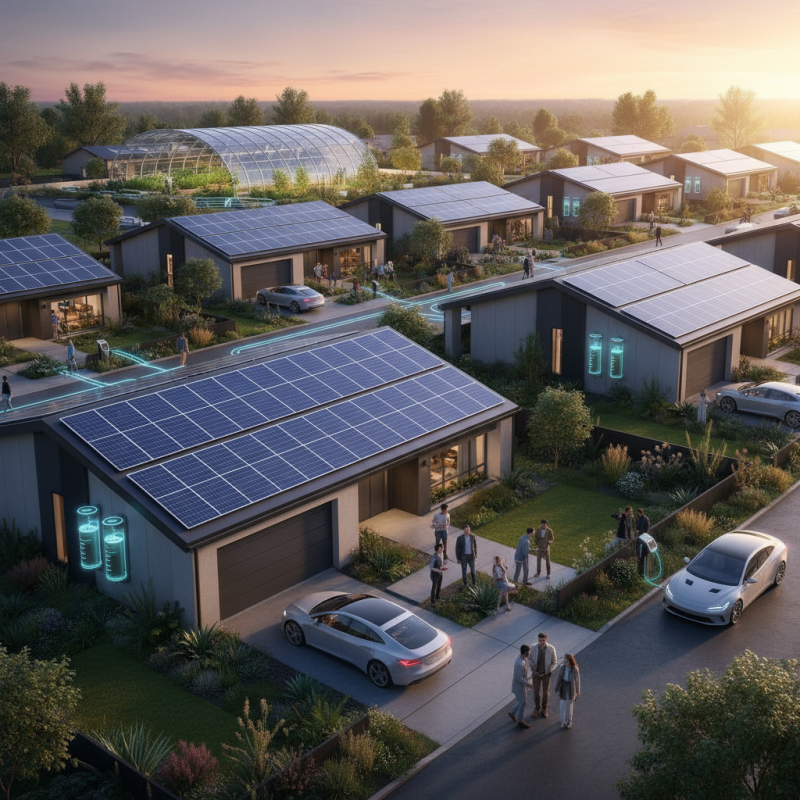
As we look toward 2026, innovations in home solar power systems are set to reshape sustainable living. Research from the International Renewable Energy Agency (IRENA) suggests that solar energy could account for over 30% of global electricity by 2030. This growth highlights the urgency for advanced technologies that maximize efficiency and affordability for homeowners.
One promising trend is the development of bifacial solar panels. These panels capture sunlight from both sides, increasing energy yield by up to 30%. Additionally, energy storage systems are becoming more efficient and affordable. According to a report by Wood Mackenzie, the cost of energy storage systems is projected to drop by 50% within the next five years. This reduction allows homeowners to store solar energy for use during peak hours, enhancing energy independence.
However, challenges persist. Many homeowners may not have access to the optimal roof space for solar installations. Urban areas often face limitations, making solar energy adoption uneven. Moreover, the initial costs of installation remain a barrier for many families. As the industry evolves, addressing these issues will be crucial for wider acceptance and implementation.
| Innovation | Description | Benefits | Estimated Cost | Market Availability |
|---|---|---|---|---|
| BIPV (Building-Integrated Photovoltaics) | Solar panels integrated into building materials like windows and roofs. | Space-saving, aesthetic appeal, energy generation. | $30,000 - $50,000 for a typical home. | Available from select manufacturers in early 2026. |
| Smart Inverters | Advanced inverters that optimize energy output and provide real-time data. | Improved efficiency, better monitoring, integration with smart home systems. | $1,500 - $3,000. | Widely available by mid-2026. |
| Solar Battery Storage | High-capacity batteries that store solar energy for use at night or during outages. | Energy independence, reduced electricity bills, backup power. | $5,000 - $10,000. | Expected release in early 2026. |
| Floating Solar Farms | Solar panels installed on water bodies to reduce land use. | Maximizes space, reduces evaporation, increases efficiency. | Varies widely based on installation size. | Pilot projects starting in late 2026. |
| AI-Powered Energy Management Systems | Systems that use AI to optimize energy consumption and production. | Decreased energy costs, increased efficiency, personalized settings. | $500 - $1,500. | Launching by mid-2026. |
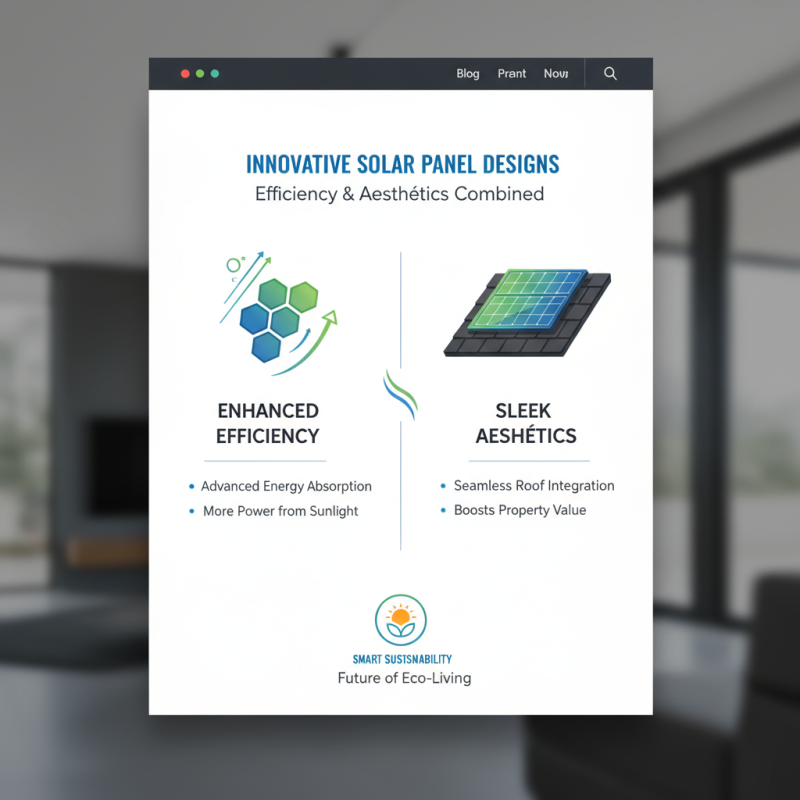
Innovative solar panel designs are transforming how we approach sustainable living. Modern panels now feature sleek aesthetics, making them more appealing for homes. These designs blend seamlessly with roofing materials. This visual integration can enhance property value significantly. Besides aesthetics, efficiency is a crucial factor. New technologies are pushing the limits on energy absorption. Panels can now convert sunlight into electricity more effectively than ever before.
Tips: Choose panels that suit your architectural style. Consider colors and textures that match your home. A well-integrated system enhances curb appeal and values.
Although advancements are promising, challenges remain. Some designs may lead to overheating, reducing efficiency. Maintenance can also become an issue with intricate designs. Homeowners should be aware and plan accordingly.
Tips: Regularly check the condition of your panels. Keep them clean for optimal performance. Consult with professionals for proper installations.
These innovations highlight a shift toward not just functionality, but also aesthetics in solar technology. As awareness grows, the demand for visually appealing solar systems will likely rise.
Smart home integration is reshaping the solar energy landscape. The incorporation of Internet of Things (IoT) capabilities in solar systems allows for real-time monitoring and management. A recent report from the International Energy Agency (IEA) highlights that homes equipped with smart energy management systems can reduce energy consumption by up to 30%. This statistic emphasizes the effectiveness of these innovations in promoting sustainability.
IoT-enabled solar panels can communicate with other smart devices. For example, home batteries can store excess energy generated during the day for use at night. According to a study by the Solar Energy Industries Association (SEIA), homes using smart solar technologies can increase energy efficiency and user savings. It’s estimated that these smart setups could save consumers around $1,300 annually on average.
However, integrating solar power with smart technology is not without its challenges. User adoption rates remain varied. Many homeowners still lack a full understanding of how these systems function. Complicated interfaces may deter potential users from maximizing their benefits. As the market evolves, addressing these barriers is crucial. This step can help homeowners fully realize the potential of sustainable living through advanced solar technologies.
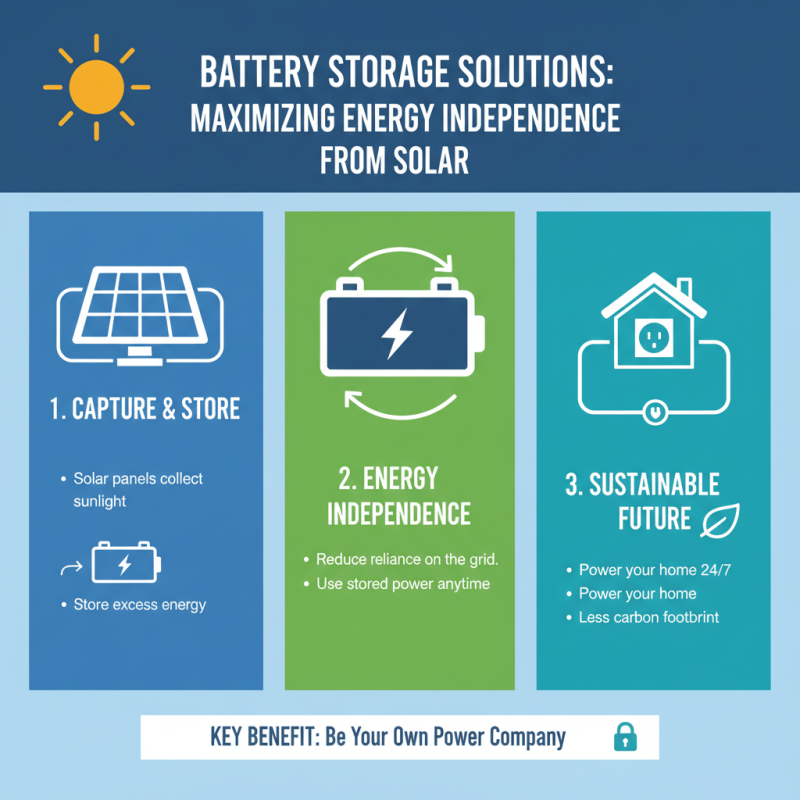
As we move towards a sustainable future, battery storage solutions are gaining momentum. These technologies allow homeowners to maximize energy independence from their solar systems. Storing energy for later use transforms how we view solar power. A well-designed battery storage system can mean being less dependent on the grid.
The importance of efficiency cannot be underestimated. Many systems are still evolving, and there’s room for improvement. Some consumers may find that their battery units do not hold enough charge for full-day usage. This is a critical point to consider when planning your solar setup. Batteries need to be sized appropriately for your household needs.
Monitoring and managing energy usage can enhance the benefits of battery systems. Smart technologies track energy consumption in real time. This can help in understanding when to use stored power efficiently. Certain households achieve energy autonomy, while others face challenges in storage capacity. It’s essential to evaluate personal energy habits and solar production to find the right solution.
Adopting advanced solar power systems offers significant benefits for sustainable living. According to the Solar Energy Industries Association, the U.S. solar market has increased by over 167% since 2014. This growth highlights the increasing accessibility of solar technology and its adaptability for homes. Many homeowners are witnessing lower electricity bills while contributing to a greener environment. In fact, each solar installation can reduce carbon emissions by approximately 100 tons over its lifetime.
Integrating these advanced systems can enhance energy efficiency. The Department of Energy reports that homes with solar power systems can reduce energy consumption by up to 50%. This not only aids in minimizing the ecological footprint but also supports energy independence. Challenges do exist; installation costs can be high, and there might be uncertainties in energy production based on weather. However, advancements in solar technology are continuously addressing these concerns.
Implementing solar power also fosters community engagement and resilience. Neighborhoods adopting solar solutions often collaborate on energy-sharing initiatives. While benefits abound, careful consideration of local regulations and geographic conditions is necessary. The path toward sustainable living with solar systems is promising, yet it requires an informed approach to fully realize its potential.