2026 Top Renewable Energy Solutions for a Sustainable Future?
As we approach 2026, the urgency for sustainable practices intensifies. Our planet faces challenges that demand effective renewable energy solutions. From solar panels to wind farms, innovation is key. Analyzing these solutions reveals both promise and potential setbacks. The adoption of renewable energy solutions is not just about technology, but also community engagement and policy support.
While some countries lead in renewable initiatives, others lag behind. This disparity highlights the need for equitable access to renewable energy solutions. Governments and businesses must collaborate. Education and awareness play vital roles in promoting renewable energy. We need to address the gaps and barriers to implementation. The path forward is not straightforward, yet hope lies in collective effort.
Transitioning to sustainable energy sources requires commitment and creativity. Challenges such as infrastructure and funding remain evident. However, many individuals and organizations are rising to the occasion. Renewable energy solutions are evolving, but the journey has its hurdles. Reflecting on setbacks can guide future progress toward a greener, more sustainable world.
Innovative Solar Power Technologies for Enhanced Energy Efficiency
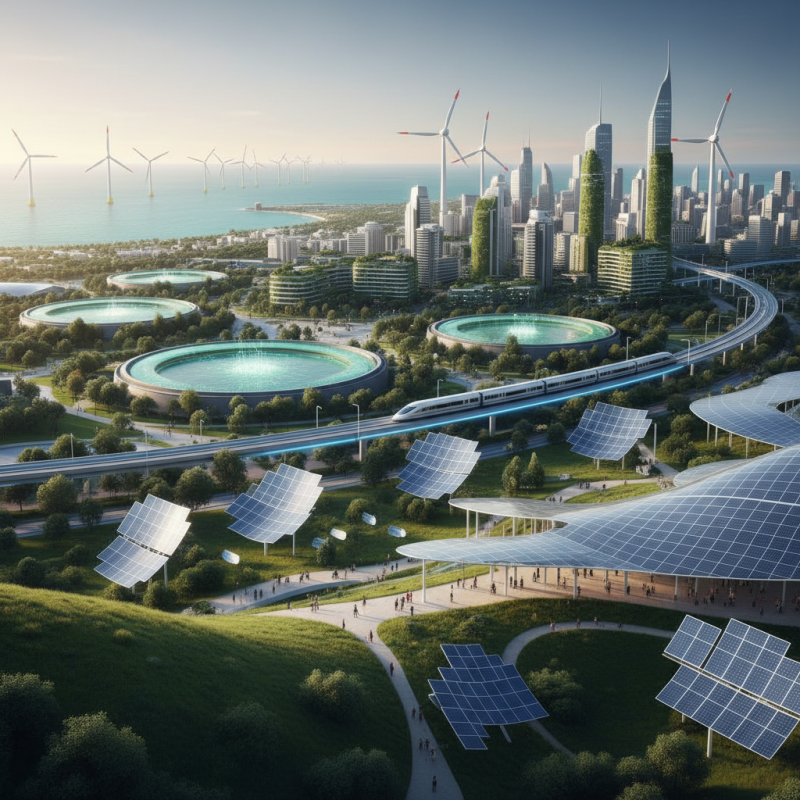
Innovative solar power technologies are transforming how we harness energy. These advancements are crucial for a sustainable future. Photovoltaic cells now have improved efficiency, capturing more sunlight. They can convert it to electricity with less waste. This efficiency increase is vital as energy demands grow.
Some solar panels are thinner and lighter than traditional ones. This change allows for easier installation in various settings. Roofs and walls can utilize these modern designs. However, the manufacturing process can still harm the environment. It’s a trade-off that requires attention.
Moreover, energy storage solutions are evolving. New battery technologies promise better performance. They can store excess energy generated during the day. However, the materials used can be scarce. This raises questions about their long-term sustainability. As we embrace these innovations, it’s essential to keep challenging the status quo. Continuous improvement is needed to truly achieve efficiency.
Advancements in Wind Energy Solutions for Sustainable Power Generation
The world is shifting towards sustainable energy, and wind energy plays a crucial role. In 2022, wind energy contributed about 8.4% of global electricity generation. This number shows the growing importance of wind as a clean energy source. However, challenges remain. The efficiency of wind turbines can be affected by local weather patterns. Variability in wind speeds leads to inconsistent energy flow.
Innovative solutions are emerging to address these issues. Advanced turbine designs now capture more wind energy, even in lower wind conditions. Reports indicate that new models can produce up to 20% more energy than older versions. Yet, the cost of these innovations can be prohibitive for smaller producers. This raises questions about accessibility and equity in the renewable energy sector.
Investments in energy storage are also on the rise. Better storage systems can balance supply and demand effectively. A study revealed that energy storage could improve wind energy efficiency by 50%. However, the environmental impact of battery production is a concern. Sustainable mining practices and recycling must be part of the solution. Balancing these factors is critical as we advance toward a more sustainable future.
2026 Top Renewable Energy Solutions for a Sustainable Future
| Energy Solution |
Type |
Efficiency (%) |
Capacity (MW) |
Cost ($/MWh) |
CO2 Reduction (tons/year) |
| Offshore Wind Turbines |
Wind Energy |
50-60 |
10-15 |
30-50 |
7500 |
| Onshore Wind Farms |
Wind Energy |
35-45 |
2-5 |
40-70 |
2000 |
| Vertical Axis Wind Turbines |
Wind Energy |
30-40 |
0.5-3 |
50-90 |
300 |
The Role of Hydropower in Achieving Renewable Energy Goals
Hydropower plays a crucial role in the global shift towards renewable energy. As of 2023, hydropower accounted for about 16% of the world’s electricity supply. This percentage highlights its significant contribution to energy generation. It is the largest renewable energy source, surpassing wind and solar combined. According to the International Hydropower Association, the total installed hydropower capacity reached over 1,300 GW, powering millions of homes.
However, the growth of hydropower is not without challenges. Some projects have faced criticism due to environmental impacts and displacement of communities. In many regions, river ecosystems suffer from dam constructions. Countries must navigate these social and ecological dilemmas while expanding their hydropower capacity. New technologies, like small modular hydropower solutions, offer alternatives but are not widely adopted yet. The balancing act between energy needs and ecological preservation is ongoing, requiring thoughtful policies.
The future of hydropower could be promising yet complex. Upgrading existing facilities presents opportunities for increased efficiency. Reports suggest that modernizing older plants could enhance output by up to 30%. As nations strive to meet renewable energy goals, the importance of responsible hydropower development must remain in focus. Only then can it continue to be a cornerstone of a sustainable future.
Emerging Biomass Technologies for Carbon-Neutral Energy Production
Emerging biomass technologies play a crucial role in carbon-neutral energy production. Various methods are being developed to convert organic materials into energy. This process reduces waste and harnesses renewable resources, presenting a sustainable solution to our energy needs.
One noteworthy approach is anaerobic digestion. This process breaks down organic matter without oxygen, producing biogas. The biogas can be used for heating or electricity. However, the efficiency of this method can vary. Factors like temperature and feedstock type may affect overall energy yield.
Another technique involves gasification. This transforms biomass into a gas known as syngas. Syngas can be utilized to produce fuel or electricity. Yet, scaling this technology for widespread use presents challenges. Quality control and feedstock variability complicate consistent results. Despite these issues, the potential of biomass solutions remains promising.
The Future of Energy Storage: Batteries and Beyond in Renewable Systems
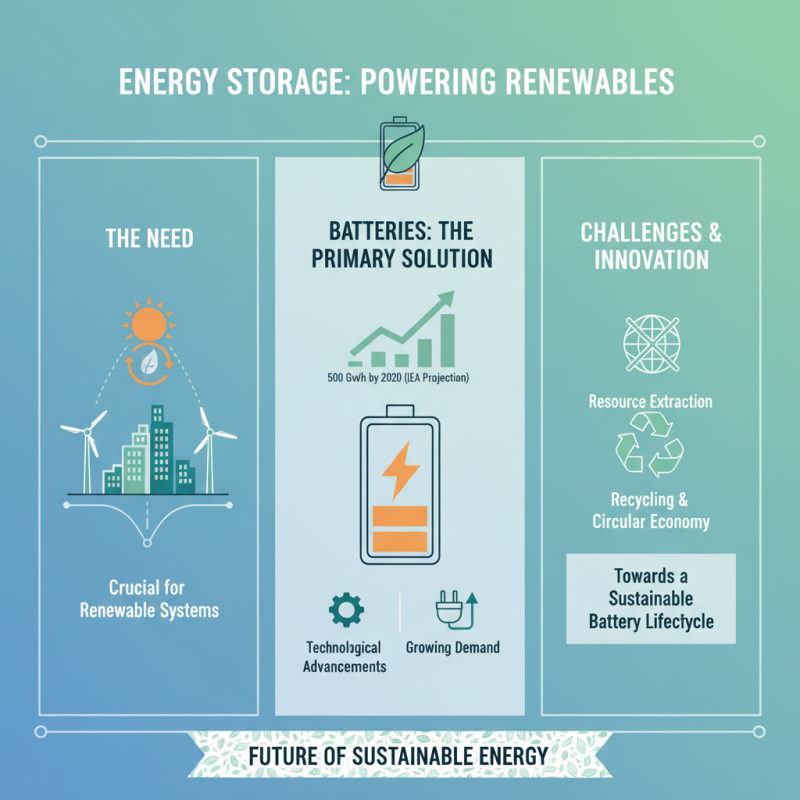
Energy storage is crucial for renewable systems, particularly as we move towards a sustainable future. Batteries remain the primary solution. According to the International Energy Agency (IEA), battery storage capacity is expected to reach 500 GWh by 2030. This growth is driven by advancements in technology and the increasing demand for renewable energy sources. However, the production of batteries poses significant challenges, including resource extraction and recycling.
Beyond traditional batteries, alternative storage solutions are gaining traction. Pumped hydro storage and compressed air energy storage (CAES) are promising methods. Studies indicate that these technologies can provide long-duration storage, necessary for balancing grid demands during fluctuating renewable output. While these solutions have potential, they are often site-specific and may have environmental impacts that need careful consideration.
The energy sector faces hurdles in integrating these storage options seamlessly. Energy efficiency must improve to reduce demand during peak times. As the transition to renewables accelerates, we must reflect on how to optimize energy storage without compromising environmental integrity. Effective policies and innovative technologies will shape the energy landscape in the coming years. The path forward is complex, yet essential for achieving a truly sustainable future.