2026 Top Electric Dirt Bike Manufacturers for Global Buyers
Choosing the right Electric Dirt Bike Manufacturer in 2026 requires more than comparing motor power or battery size. Global buyers need dependable engineering, transparent specifications, and support that continues after delivery. A powerful bike may look impressive in a showroom, yet poor parts availability can turn a minor brake issue into weeks of downtime.
This guide examines leading manufacturers through practical buying criteria. These include battery safety, controller performance, frame durability, suspension quality, charging systems, warranty terms, and replacement-part access. We also consider real riding conditions, from rocky mountain trails to humid forest tracks and organized off-road training areas. A 72-volt battery can offer strong acceleration, but range depends heavily on rider weight, terrain, temperature, and riding style. Marketing numbers rarely tell the whole story.
Details matter.
Reliable brands usually publish clear test data, service procedures, and compliance information for their target markets. Buyers should verify shipping requirements, local registration rules, charger compatibility, and technician availability before placing an order. Dealer communication also reveals practical differences between manufacturers. Slow replies may suggest future service challenges.
Some rankings remain subjective. Factory claims are not always independently verified, and long-term durability can vary between production batches. That limitation deserves attention. Our comparison therefore balances technical evidence, user experience, manufacturer transparency, and after-sales reliability. The goal is not to identify one perfect bike. It is to help global buyers select a trustworthy supplier for their terrain, budget, and expected workload. Expect useful comparisons, but keep a critical eye.
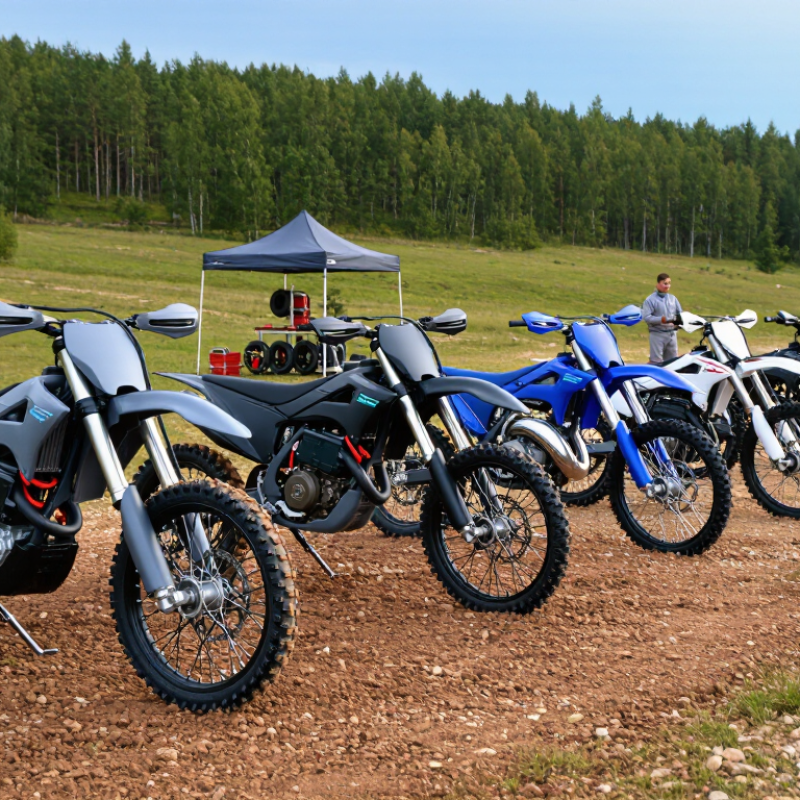
Electric Dirt Bike Market Overview for Global Buyers in 2026
2026 Top Electric Dirt Bike Manufacturers for Global Buyers
Electric dirt bike purchasing in 2026 is becoming more specification-driven. Global buyers are comparing battery capacity, motor output, charging time, suspension travel, and frame durability. These details affect range, handling, and maintenance in real riding conditions.
Manufacturers with strong engineering processes usually provide clear battery safety information, tested waterproofing, and accessible replacement parts. Buyers should request thermal management data, charger certifications, warranty terms, and service procedures before placing large orders. A workshop inspection can reveal loose connectors, uneven welds, poor cable routing, or weak brake adjustment. Small details matter.
Regional use also changes the buying decision. A bike used on dry trails may need different protection from one used in humid coastal areas. Shipping weight, spare battery restrictions, local charging standards, and import documentation require careful checking. Availability can look attractive online but become difficult after delivery. That gap deserves attention.
No single specification tells the whole story. A high-capacity battery may increase weight and reduce agility. A powerful motor may demand stronger brakes and faster tire wear. Buyers should test acceleration, low-speed control, braking stability, and charging behavior when possible. Independent inspection is valuable, although it cannot remove every risk. Market claims also need verification through technical documents, production samples, and after-sales response records.
Key Features and Technologies of Modern Electric Dirt Bikes
Modern electric dirt bikes combine lightweight frames, high-torque motors, and electronic control systems. Their performance depends on more than peak power. A high-voltage battery can deliver strong acceleration, while a smart controller manages heat and traction. Swappable battery packs help riders continue longer trips, but they may add weight and require careful handling. Range remains difficult to predict. Mud, steep climbs, rider weight, and cold weather change it quickly.
Sealed connectors and an appropriate water-resistance rating matter during wet trail use. Thermal sensors can reduce power before the motor overheats. Regenerative braking helps control speed on descents and returns limited energy to the battery. However, aggressive regeneration can feel unnatural on loose ground. Suspension quality also deserves close inspection. Adjustable compression, rebound, and preload let riders tune the bike for rocks, sand, or hard-packed trails. Strong spoke wheels and reinforced skid protection provide practical durability.
Digital dashboards may show battery temperature, riding modes, service alerts, and remaining range. Useful data. Still, software is not magic. A bright screen cannot replace reliable brakes or proper mechanical maintenance. Global buyers should verify charger compatibility, battery transport rules, warranty coverage, and local safety certification before ordering. Ask for test reports, service procedures, and replacement-part availability. Small details matter. A technically impressive bike can become inconvenient when its charger fails or diagnostic support is unavailable.
Leading Electric Dirt Bike Manufacturers by Market Segment
Electric dirt bike manufacturers in 2026 are dividing their products by rider needs, terrain, and purchasing power. Global buyers should examine each market segment separately. A youth model may use a smaller battery, lower seat height, and adjustable speed settings. These details support controlled training on approved private terrain. However, manufacturers must provide clear age guidance and reliable safety documentation.
Recreational trail models usually balance range, suspension travel, and charging time. Buyers should check real riding data, not only laboratory figures. A muddy trail, cold morning, or steep climb can reduce expected range. Performance manufacturers focus on stronger motors, reinforced frames, and responsive braking systems. These bikes need consistent thermal control during repeated hill climbs. Small weaknesses become obvious there.
Utility-focused manufacturers design bikes for farms, outdoor facilities, and maintenance teams. Quiet operation can reduce disturbance, while removable batteries simplify daily charging. Buyers should inspect waterproofing, spare-part access, warranty coverage, and technician training. Independent testing adds credibility, but test conditions still vary. I have found that published range often feels optimistic in demanding terrain. Manufacturers should report practical riding scenarios, including rider weight, surface type, speed, and temperature. Global buyers also need region-specific charging standards and compliance documents before placing large orders.
How to Compare Electric Dirt Bike Brands and Models
2026 Top Electric Dirt Bike Manufacturers for Global Buyers
How to Compare Electric Dirt Bike Brands and Models
When comparing electric dirt bike brands and models, start with use rather than appearance. A trail bike needs different performance from a bike used on private training grounds. Check motor output, peak torque, riding modes, and throttle response. Smooth delivery often matters more than impressive maximum power.
Battery capacity shows potential range, but riding conditions change the result. Mud, steep climbs, rider weight, and cold weather can reduce travel distance. Ask for tested range, charging time, battery warranty, and replacement cost. A removable battery may simplify charging. It can also add weight. Small details matter.
Look beyond the specification sheet. Examine frame construction, suspension adjustment, brake size, tire availability, and water-resistance information. Confirm that replacement parts can reach your country without long delays. A strong service network is valuable when a charger fails or a controller needs inspection. Check local rules for power limits, road use, noise requirements, and approved charging equipment.
Independent testing is useful, but test conditions may not match yours. Some published figures seem optimistic. That deserves caution. Compare warranty terms carefully, including battery coverage and excluded damage. My own comparison process would include a short test ride, a cold-start check, and an inspection after repeated braking. A cheaper model may cost more later if parts, support, or batteries are difficult to obtain.
2026 Electric Dirt Bike Benchmark for Global Buyers
Comparing representative electric dirt bike categories by peak motor power and claimed riding range
The benchmark uses representative specifications commonly published for current electric dirt bike segments. Peak power indicates acceleration and hill-climbing potential, while claimed range depends on rider weight, terrain, speed, temperature, and riding mode. Buyers should verify final specifications, homologation, battery warranty, charging standards, and local import requirements before purchase.