Call now: 0407 696 866
Choosing a solar supplier in 2026 involves more than comparing prices. Global buyers need to assess product quality, delivery reliability, technical support, and long-term service. A panel that performs well in a test report may face different conditions on a windy coast or under intense desert heat. Real projects reveal those differences.
This guide to 2026’s top green energy solar suppliers helps buyers compare manufacturers and distributors using practical criteria. It considers module efficiency, product warranties, production capacity, certifications, and evidence of supply-chain traceability. Buyers should also review installation requirements, spare-parts access, and the supplier’s record of resolving warranty claims. Details matter.
No single supplier fits every market. Import rules, grid standards, climate, financing, and project size can change what “best” means. A large utility project may prioritize consistent volume and technical documentation; a commercial rooftop buyer may care more about delivery schedules and responsive support. Rankings can help create a shortlist, but they cannot replace independent checks. Request current datasheets, verify certification details with the relevant issuer, and compare warranty terms carefully. Some information may be difficult to confirm. That is worth acknowledging, not glossing over.
The aim is a clearer starting point, not a promise of perfect performance. By asking specific questions and checking claims against project needs, buyers can identify partners suited to dependable solar deployment in 2026.
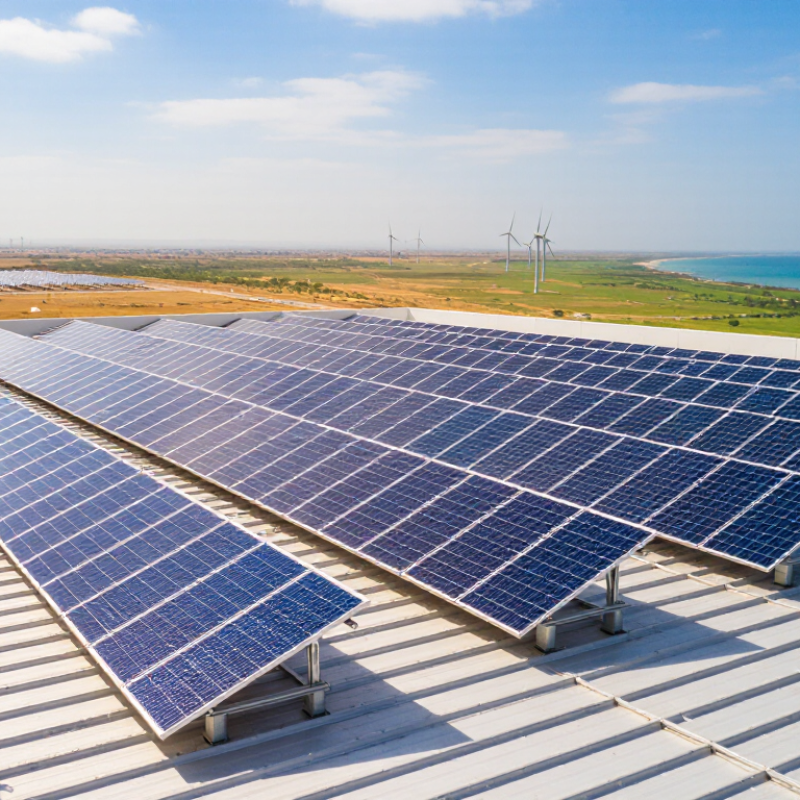
Global solar sourcing in 2026 is less about finding the lowest quote and more about matching a supplier’s capabilities to project conditions. Buyers compare module efficiency, degradation data, temperature performance, and documented quality controls. A rooftop in a humid coastal town faces different demands from a utility-scale site with dusty afternoons and sharp temperature swings. Details matter.
Supplier networks span manufacturing hubs, regional distributors, and engineering partners, but those roles are not interchangeable. Ask who makes each component, where final testing occurs, and which documents accompany a shipment. Request current test reports, serial-number traceability, and clear warranty terms. Check whether quoted lead times include port handling and inland delivery. A polished brochure is not evidence. Independent inspections can help, though they add time and cost. Even experienced buyers can overlook packaging risks or assume replacement parts will be nearby.
Compare bids using the same technical specifications and delivery assumptions. Examine payment milestones, production capacity, after-sales response times, and defect procedures. For a pilot order, review sample records and packaging before committing to larger volumes. Market conditions change, and public capacity claims may lag behind reality. Supplier selection is rarely neat; some uncertainty remains. Document assumptions and revisit them as the project moves from procurement to installation.
Global buyers should compare solar products by climate fit, not wattage alone. N-type TOPCon and heterojunction modules offer options for high-efficiency projects, while bifacial panels can capture reflected light from bright ground surfaces. For utility-scale sites, single-axis trackers can increase energy capture, but they add moving parts and maintenance needs. Details matter. Inverters should match grid conditions, project size, and monitoring requirements. Battery storage can shift some daytime generation into evening demand, though it adds cost and system complexity.
IRENA’s Renewable Power Generation Costs in 2023 reported a global weighted-average solar PV electricity cost of USD 0.044 per kilowatt-hour, down 12% from 2022. That figure is a useful benchmark, not a project guarantee. IEA PVPS’s Snapshot of Global PV Markets 2024 estimated that cumulative installed solar capacity reached about 1.6 terawatts by the end of 2023. Buyers can use that scale to assess technology maturity, then examine product test records, degradation warranties, and local service capacity. Price is not performance. I would not treat any single yield estimate as a promise; shading, heat, dust, and installation quality can change actual output.
For global solar buyers, supplier quality starts with evidence, not polished brochures. Request independent test reports, batch traceability, and clear inspection records. Check that certificates cover the exact product model and manufacturing site. Standards such as IEC 61215 and IEC 61730 may be relevant, but requirements vary by market and product type. Verify certificate status and scope directly with the issuing body. Small details matter. A mismatch in model numbers can delay procurement.
Reliability shows up after the purchase order. Ask how the supplier handles defects, replacement parts, and technical questions across time zones. Review warranty terms closely, including exclusions and claim procedures. Where practical, inspect a production site or arrange a pilot shipment. Check packaging, labels, and delivered quantities on arrival. For projects near coasts or in humid regions, ask for test evidence suited to those conditions. Still, paperwork is not performance. An audit can miss a weak handoff between teams, and even careful buyers may overlook one detail. Compare records with real delivery references and seek specific examples of resolved quality issues.
International solar procurement now demands more than a competitive module price. Buyers need suppliers that can coordinate documentation, shipping, technical support, and consistent product specifications across borders. IRENA’s Renewable Capacity Statistics 2025 reports that solar capacity grew by about 452 gigawatts in 2024, making it the largest contributor to renewable capacity expansion that year. That is substantial. It also means buyers may face tight delivery windows and changing freight costs. A supplier’s written production schedule, packaging details, and response time can matter as much as its quoted price.
The International Energy Agency’s Renewables 2024 report projects that solar will drive most renewable capacity growth through 2030. For international buyers, supplier comparisons should include tested performance data, traceable product documentation, warranty terms, and service arrangements for the destination market. Ask how the supplier handles damaged panels, replacement parts, and shipment delays. Get answers in writing. Check whether certifications match local project requirements; a certificate accepted in one market may not satisfy another. Site conditions matter too: heat, dust, salt air, and roof loading can change what equipment is suitable. One practical flaw in many procurement plans is assuming a low price guarantees a smooth delivery. It doesn’t. Even experienced buyers can underestimate the work involved in coordinating customs documents and installation timelines.
Global solar PV capacity continued to expand, creating a growing international market for solar equipment and services.
The chart shows cumulative installed solar photovoltaic capacity worldwide, in gigawatts (GW). These figures describe the market, not the sales or capacity of individual suppliers. Source: IRENA, Renewable Capacity Statistics 2025.
A supplier suited to a village health clinic may not have the production capacity or delivery planning for a utility-scale project. Buyers should compare annual output, order flexibility, product documentation, and access to technical support. For a small rooftop installation, responsive communication and replacement-part availability can matter more than the lowest quoted price. For a large site, consistent shipment schedules and clear quality records deserve closer scrutiny. Details matter.
Regional conditions also shape the match. Coastal projects need equipment specified for salty air, while dusty inland sites may require more frequent cleaning and careful maintenance planning. In colder areas, ask how expected temperatures affect system design and performance. Check whether the supplier can provide test reports, installation guidance, and warranty terms in a language the project team can use. Shipping distance matters, too: a delayed component can leave crews waiting on site.
A polished comparison sheet helps, but it rarely captures every risk. I would also ask for references from projects with similar scale and climate, then verify what support looked like after delivery. That step takes time. Smaller suppliers may offer useful flexibility, yet their service capacity can be harder to judge from a proposal alone. A good match depends on evidence, not a broad claim of global reach.
| Supplier Category | Typical Project Scale | Common Supply Scope | Regional Conditions to Match | Key Technical Checks | Procurement and Delivery Checks |
|---|---|---|---|---|---|
| Distributed-rooftop module supplier | Homes, small businesses, and multi-building rooftops | PV modules; product documentation; packaging suited to smaller or mixed shipments | Roof area, roof loading limits, local climate, and the building’s electrical configuration | Module dimensions and weight; electrical compatibility; product warranty terms; applicable IEC module qualification and safety documentation | Confirm local import requirements, shipment quantities, replacement-unit availability, and traceable product documentation |
| Commercial and industrial (C&I) system supplier | Factories, warehouses, offices, and campuses | Modules and, depending on the supplier, inverters, mounting equipment, or system design support | Roof type, daytime electricity use, grid-connection rules, wind exposure, and local fire and building requirements | Compatibility among modules, inverters, and mounting systems; roof attachment design; electrical protection; required regional certifications | Check engineering responsibilities, delivery sequencing, site-specific design support, and after-sales service arrangements |
| Utility-scale fixed-tilt supplier | Large ground-mounted solar plants | High-volume module supply; optional support for project documentation and logistics | Land conditions, soil and drainage, wind and snow loads, grid access, and transport routes to the site | Consistency of electrical specifications across batches; mechanical-load documentation; degradation and warranty terms; project-specific design compatibility | Assess production capacity, batch traceability, delivery schedule, shipping plan, and remedies for delay or non-conforming goods |
| Tracker-compatible utility supplier | Large ground-mounted projects using single-axis tracking | Modules selected for compatibility with the project’s tracker and electrical design | Wind conditions, terrain, row layout, site access, and tracker operating limits | Module dimensions, clamping zones, permitted mounting configurations, mechanical-load limits, and written compatibility confirmation from relevant system parties | Align module delivery and installation sequence with tracker procurement; confirm packaging, handling instructions, and replacement-stock policy |
| Off-grid and hybrid-system supplier | Remote facilities, weak-grid sites, and smaller microgrids | PV modules and, where offered, compatible inverters, charge controllers, batteries, or system-design support | Solar resource, seasonal demand, remoteness, temperature range, maintenance access, and local fuel or grid backup | Confirm system voltage and component compatibility; battery and inverter specifications; protection design; and operating-temperature limits | Check commissioning support, spare-parts access, installation documentation, and realistic service response for remote locations |
| Hot-climate and coastal-project supplier | Projects in hot, humid, dusty, or salt-exposed locations | Modules and supporting documentation suitable for evaluation against site exposure conditions | High operating temperatures, humidity, airborne dust, salt mist, and cleaning-water availability | Review temperature-related performance data, environmental test documentation where applicable, connector and junction-box specifications, and mounting-material compatibility | Verify the exact certification scope, installation and cleaning guidance, warranty exclusions, and packaging protection during sea transport |
| Cold, high-snow, or high-altitude project supplier | Ground-mounted or rooftop projects exposed to snow, frost, or high elevation | Modules with project-specific mechanical and environmental documentation | Design snow and wind loads, freeze-thaw cycles, altitude, access constraints, and seasonal construction windows | Check module load ratings and mounting instructions against the engineered design; confirm applicable temperature and safety documentation | Plan winter delivery and storage, review handling requirements, and confirm that local engineering approval is obtained before procurement |
| Regional project-distribution supplier | Projects of varying sizes requiring local inventory or consolidated shipments | Procurement and distribution of modules and, where available, balance-of-system components | Local standards, customs procedures, language requirements, grid rules, and inland transport conditions | Verify that product certificates and test reports match the exact model and destination market; check component compatibility where packages are bundled | Confirm legal contracting entity, stock status, product origin and traceability, import documentation, delivery terms, and warranty-claim process |
Note: Categories describe common supplier capabilities, not specific companies or guaranteed product offerings. Suitability depends on the project design and destination-market requirements. Buyers should verify current certificates, technical documents, warranty terms, and local approvals for the exact products being procured.