
• Cleveland QLD 4163 Find us on Facebook

  • 2026 Top Solar Energy Charger Suppliers for Global Buyers

    Choosing a Solar Energy Charger supplier involves more than comparing prices or product photos. Global buyers need equipment suited to real conditions: changing sunlight, outdoor temperatures, shipping distances, and the devices customers plan to charge. A compact panel may work well for a weekend hike, while a larger system with battery storage may better serve field teams or emergency kits. The right choice depends on the use case.

    This guide to 2026 suppliers focuses on practical questions buyers can verify. These include rated output, battery capacity, charging ports, safety protections, warranty terms, and available test documentation. Ask suppliers how performance is measured and whether results reflect actual operating conditions. Certifications and test reports can help, but their scope and issuing organizations should be checked. Details matter.

    Supplier comparisons also benefit from sample testing and clear written specifications. Check connector compatibility, packaging, lead times, and the process for handling defects before placing a large order. Request current quotations, since pricing and product availability can change. No supplier is perfect. A polished catalog is not the same as consistent quality, and a low quoted price can leave important costs unclear. I may still miss a detail; buyers should confirm critical claims directly with suppliers. Use this overview as a starting point for careful evaluation, not as a substitute for product testing or independent verification.
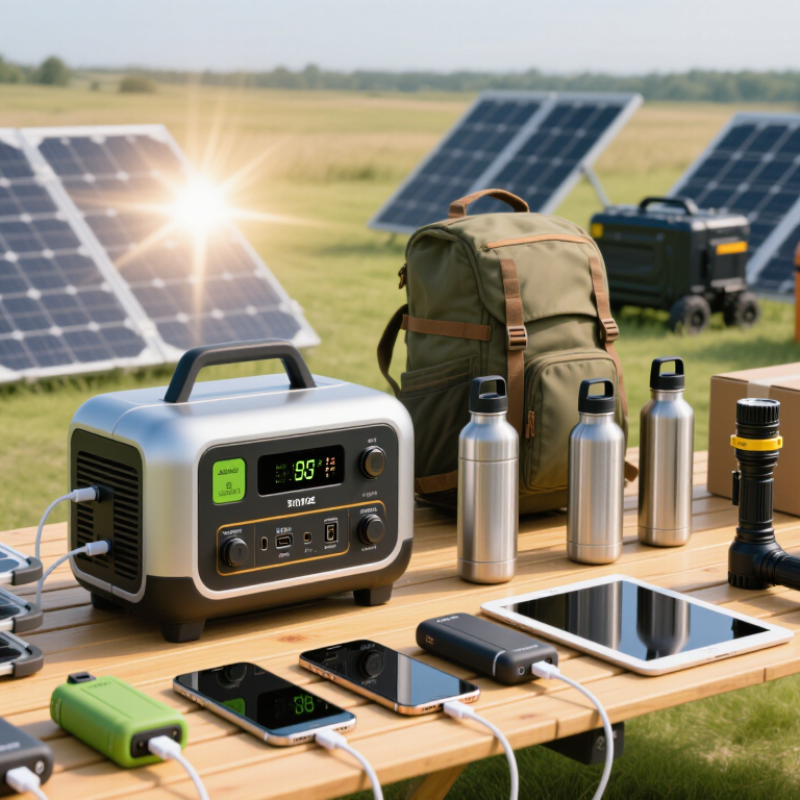
    2026 Top Solar Energy Charger Suppliers for Global Buyers

    Solar Energy Chargers: Types, Uses, and Global Market Scope

    Solar energy chargers range from pocket-sized power banks and foldable panel kits to larger DC charging stations. They serve hikers, field crews, emergency kits, and households with limited grid access. Small panels vary. Cloud cover, shade, heat, and panel angle can sharply affect charging time. A charger rated for a sunny test bench may perform differently beside a tent or vehicle.

    The wider market is expanding alongside solar power. IRENA’s Renewable Capacity Statistics 2025 reports that global renewable capacity grew by 585 gigawatts in 2024, with solar accounting for 452 gigawatts. This figure describes power-system installations, not charger sales, but it signals a broader supply chain and growing familiarity with solar technology. Buyers across regions should compare usable battery capacity, output ports, panel size, weather resistance, and replacement-part access. Remote users may value repairability more than peak output.

    Tips: Check the charger’s real-world output, not only its advertised wattage. Match it to the devices you carry, and allow extra charging time on cloudy days. Heat matters too. Even well-designed equipment has limits, and product specifications rarely capture every field condition.

    How to Evaluate Solar Charger Suppliers in 2026

    Choosing a solar charger supplier in 2026 takes more than comparing catalog prices. Ask for measured output under stated sunlight, temperature, and angle conditions. A panel rated at 20 watts may deliver less on a cloudy day or behind glass. The test conditions matter. Request test reports, material specifications, and details about cell type, battery capacity, and charge-control protections. Verify whether figures describe peak panel output or usable energy stored in the battery. Those numbers are not interchangeable.

    Assess production consistency with a pre-production sample and a written inspection plan. Check cable strain relief, connector fit, stitching, water-resistance claims, and whether the unit continues charging when partly shaded. Ask how defects are recorded and how replacement parts are handled. Clear answers matter more than polished sales language. Suppliers should explain lead times, packaging, minimum order quantities, and how they manage changes between sample and bulk production. A sample can look convincing and still fail after repeated folding; that is easy to overlook. Request batch-level checks and keep acceptance criteria in writing. No supplier can remove weather uncertainty, so compare warranty terms and technical support realistically, not just the headline efficiency number.

    Leading Supplier Profiles and Product Specialties

    Global buyers comparing solar energy charger suppliers should look beyond catalog photos and headline wattage. Useful profiles explain panel output in clear sunlight, battery capacity, charging ports, and operating temperature. Ask whether ratings describe peak laboratory conditions or typical field performance. That distinction matters on cloudy routes and dusty work sites. Details build trust.

    Product specialties often reveal a supplier’s real strengths. Some focus on foldable panels for hikers, while others design rugged kits for field teams or emergency storage. Check fabric seams, hinge protection, cable length, and whether a charge controller manages variable input.

    For larger orders, request sample units and written test results before approving specifications. Confirm package dimensions and replacement-part availability, too; shipping delays can turn a good design into dead stock. Small details count. Supplier profiles may omit trade-offs, so polished claims alone are not proof.

    Tips: Match panel size to daily device use, then compare measured output in similar sunlight. Ask for warranty terms, connector options, and a sample test report. If performance figures remain vague, pause.

    Comparing Certifications, Capacity, Pricing, and Support

    When comparing solar energy charger suppliers, check the certificates against the product and destination market. A document for a solar panel may not cover the battery, charger, or complete device. Ask for current test reports, certificate numbers, and the issuing laboratory’s details. Paperwork matters. Still, documents alone cannot show how a charger performs in cloudy conditions or after repeated use.

    Capacity needs evidence too. Request monthly production figures, typical lead times, and sample units from the same production line. Compare rated output with measured results under clear, consistent test conditions. Pricing should include more than the unit quote: packaging, shipping, replacement parts, and inspection costs can change the real total.

    A low price may be attractive, but it can hide long lead times or limited after-sales support. That is not always obvious at first. Ask how quickly the supplier answers technical questions, handles defective units, and provides manuals or spare parts. A small detail, such as a delayed response about battery replacement, can matter more than a polished product sheet. Even careful comparisons leave uncertainty, so keep your evaluation notes and test samples before placing a large order.

    Steps for Selecting and Vetting a Global Supplier

    Selecting a solar charger supplier starts with the use case, not a glossy catalog. Define the device’s power needs, daily sunlight exposure, and expected charging time. A compact panel may suit a daypack, while a larger unit may be needed for field equipment. Ask suppliers for rated output, battery capacity, operating temperature, and charging tests. Then compare those figures with your own conditions. Cloud cover matters.

    Request a working sample and test it with the device you plan to charge. Record charging time in direct sun and partial shade; results can differ sharply from catalog estimates. Check the supplier’s quality-control process, production capacity, and traceability for key components. Request relevant test reports, then confirm their scope and validity with the issuing organization. For international orders, clarify packaging, delivery terms, spare parts, and response times for faults. Put specifications and acceptable tolerances in the purchase agreement. A polished sample is not proof of consistent production. Supplier records can also be incomplete, so note gaps and ask for evidence rather than assuming every claim is verified.

    2026 Top Solar Energy Charger Suppliers for Global Buyers - Steps for Selecting and Vetting a Global Supplier

    Use this evidence-based checklist to compare prospective suppliers. Requirements vary by product design and destination market; verify the applicable rules before placing an order.

    Step Evaluation dimension Evidence to request How to verify Buyer decision check
    1 Supplier identity and factory capability Registered business details, factory address, product catalogue, and a clear statement of whether production is in-house or subcontracted. Cross-check registration details and address; arrange a live video walkthrough or independent factory audit. Confirm the contracting, invoicing, and manufacturing entities are clearly identified.
    2 Solar and electrical performance Panel rated power, test conditions, output voltage/current, battery capacity in Wh, and charge-controller specifications. Request model-specific test reports and compare panel output under stated conditions. Treat charging-time claims as conditional on sunlight, orientation, temperature, and connected load. Check that ratings and limitations appear consistently on the datasheet, sample, packaging, and quotation.
    3 Battery safety and transport Battery chemistry, cell specifications, protection features, applicable safety test reports, and UN 38.3 test summary for lithium-battery transport where required. Match reports to the exact cell and finished-product configuration; confirm shipping documents with the carrier or dangerous-goods specialist. Do not accept a certificate or test summary for a different cell, model, or configuration as product-specific evidence.
    4 Market-specific compliance Declaration of conformity and relevant test reports for the destination market. Depending on product and market, this may include EMC, radio, chemical, electrical-safety, or restricted-substance requirements. Check the model number, applicant, standards, test laboratory, report date, and scope. Confirm current requirements with the relevant regulator or an accredited compliance specialist. Treat CE, UKCA, FCC, and RoHS as market- and product-dependent requirements, not interchangeable universal approvals.
    5 Environmental and ingress claims Test evidence for any advertised ingress-protection rating, plus operating-temperature and storage limits. Verify the test method and whether the rating applies to the complete device, ports, and accessories in the stated configuration. Do not equate “water-resistant” wording with a tested IP rating or assume a rating covers immersion unless the evidence says so.
    6 Quality-management controls Quality-system certificate, incoming inspection records, production checks, final-test criteria, and corrective-action process. Verify certificate issuer, validity, scope, and site; request recent, product-relevant inspection records. An ISO 9001 certificate concerns a quality-management system; it does not by itself certify product performance or safety.
    7 Sample and production validation Pre-production sample, approved specification, packaging artwork, and written acceptance criteria for the order. Test samples under intended use; record output, charging behavior, ports, finish, and packaging. Use a defined inspection plan for production lots. Reference the approved sample and revision-controlled specification in the purchase contract.
    8 Capacity, lead time, and order terms Written production capacity, minimum order quantity, sample and production lead times, payment milestones, Incoterms® 2020 rule, and named delivery place. Compare the quotation with the purchase contract; confirm what is included in price, freight, insurance, export clearance, and destination charges. Avoid relying on verbal lead-time or delivery promises; record dates, responsibilities, and remedies in writing.
    9 Warranty and after-sales support Written warranty duration and exclusions, defect-claim process, replacement or repair terms, spare-parts availability, and response channel. Ask for the procedure for documenting a defect and confirm who pays for return shipping, replacement, or local service. Ensure the warranty is enforceable under the contract and practical for the buyer’s market.
    10 Final supplier comparison Completed evidence file covering product performance, compliance, quality, commercial terms, and service. Score each supplier against the same requirements and mark missing or unverified evidence separately from confirmed results. Select based on verified suitability and total landed cost—not headline price or unsupported performance claims alone.

    Buyer note: Standards, certification, labeling, import, and battery-shipping obligations depend on the product configuration and destination. Confirm the applicable requirements before shipment.