2026 Top Trends in Solar Industry Innovations and Technologies?
The solar industry is experiencing rapid evolution as it heads into 2026. Innovations promise to reshape how we harness solar energy. New technologies are not just emerging; they are also reflecting deeper trends toward sustainability and efficiency.
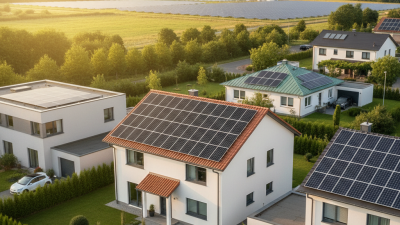
Solar panels are becoming more efficient, boasting conversion rates that were once thought impossible. Residential installations are also on the rise, with homeowners seeking greener alternatives. However, the shift to solar is not without its challenges. Affordability remains a significant concern for many potential users.
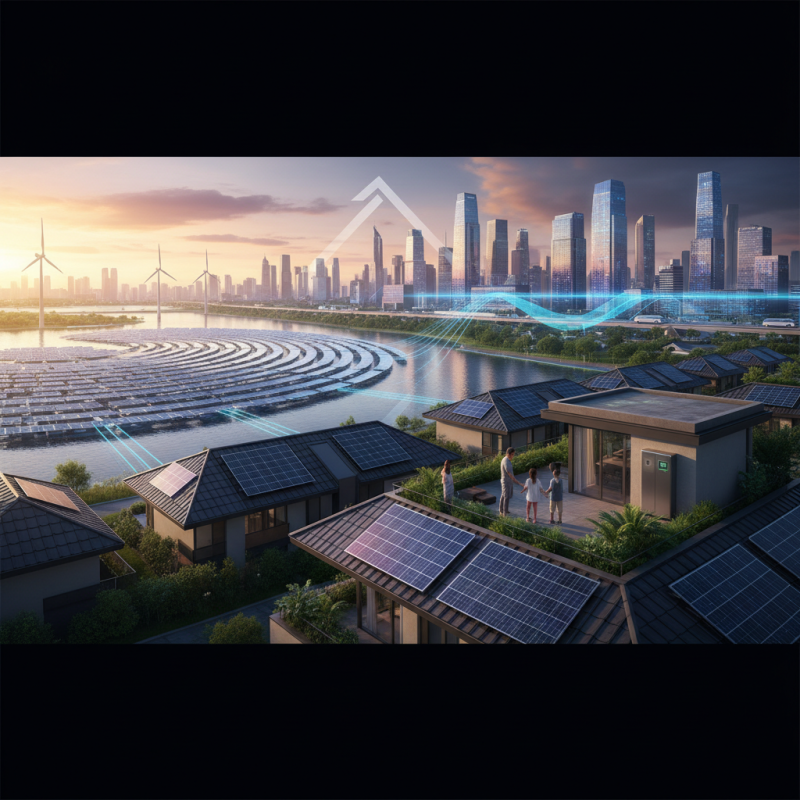
As we explore the top trends in the solar industry, a recurring theme emerges: the quest for integration. From energy storage solutions to smart grid applications, innovations are aiming to create a cohesive energy ecosystem. Such advancements promise to revolutionize our approach to energy consumption, yet they raise questions about accessibility and equity. The path forward is bright, but it requires careful consideration of who can participate in this green revolution.
Key Advancements in Solar Photovoltaic Technology by 2026
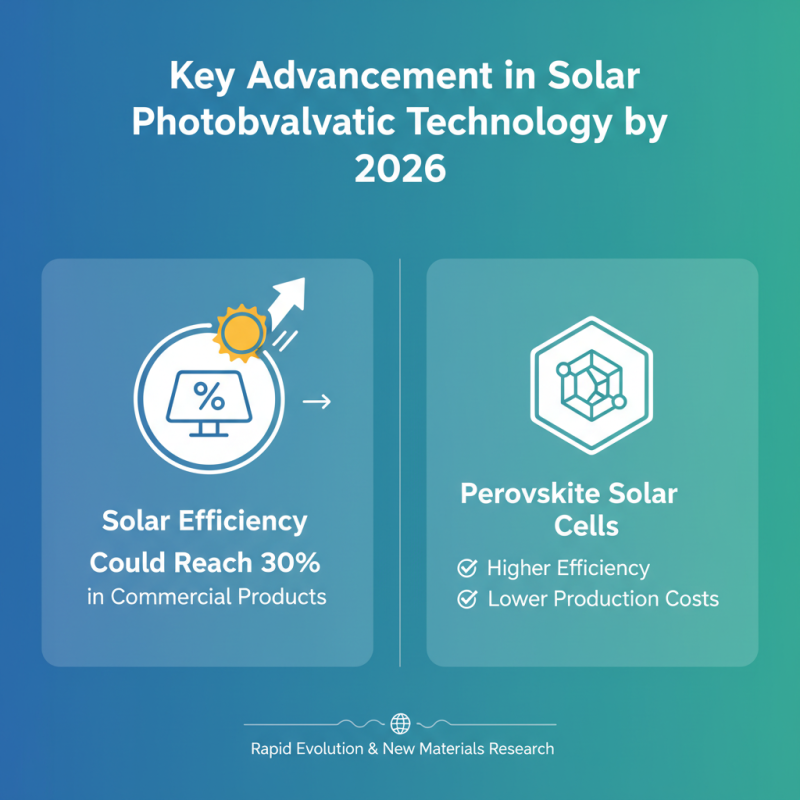
The solar photovoltaic (PV) sector is rapidly evolving. By 2026, significant advancements in technology are anticipated. Recent studies suggest that solar efficiency could reach 30% in commercial products. This figure highlights the ongoing research into new materials and design improvements. Perovskite solar cells are gaining traction as they promise higher efficiency at lower production costs.
Manufacturers are also focusing on energy storage solutions. Integrating solar with advanced battery systems will allow for better energy management. Reports indicate the global energy storage market is projected to grow significantly, driven by solar adoption. Despite these advancements, challenges persist. Durability and scalability remain critical issues for many emerging technologies. There’s a need for rigorous testing and standards to ensure reliability and longevity.
The push for sustainability continues to influence innovations. As governments encourage renewable energy, the solar market is expected to see unprecedented growth. However, there is concern about the environmental impact of raw material extraction. Thoughtful approaches are necessary to balance growth with responsible resource management. The path forward needs reflection and improvement to ensure a sustainable solar future.
Emerging Innovations in Solar Energy Storage Solutions
The future of solar energy storage is on the brink of exciting advancements. New technologies are being explored to improve efficiency and capacity. One area capturing attention is solid-state batteries. These batteries promise higher energy densities and greater safety. In addition, they can withstand more charge cycles, offering longer life spans compared to conventional batteries.
Another innovation is the integration of artificial intelligence in storage management. AI algorithms can optimize battery usage, predicting energy needs based on weather patterns and usage levels. This smart approach could lead to smarter grids. Yet, challenges remain, especially in achieving uniform standards and addressing high costs. Developers must reflect on the scalability and practical applications of these innovations. Balancing performance and affordability will be crucial in making solar energy storage accessible for all.
2026 Solar Energy Storage Solutions Innovations
Trends in Solar Panel Efficiency and Material Science
The solar industry is on the brink of major breakthroughs in efficiency and material science. Recent reports indicate that the average efficiency of solar panels has increased to around 22%, up from just 15% a decade ago. This leap is credited to advancements in new materials like perovskite, which promise higher efficiency at lower costs. However, the road to widespread adoption still presents challenges, including stability and environmental concerns.
Material innovations are evolving rapidly. Transparent solar panels are now being tested, which could allow windows to generate energy. They could integrate seamlessly into buildings without compromising aesthetics. Yet, the long-term durability of these materials remains an open question.
Moreover, while some panels have achieved over 26% efficiency in lab settings, scaling this to commercial production proves difficult. Challenges such as supply chain issues and material sourcing need addressing. Industry experts stress that innovation should not only focus on performance but also on sustainability. Balancing efficiency with environmental impact is crucial for future growth.
2026 Top Trends in Solar Industry Innovations and Technologies
| Trend |
Description |
Impact on Efficiency |
New Materials |
Projected Adoption Year |
| Bifacial Solar Panels |
Utilize both sides to capture solar energy. |
Increase generation by up to 30% in optimal conditions. |
Advanced transparent conductive oxides. |
2026 |
| Perovskite Solar Cells |
Next-generation solar technology with high efficiency potential. |
Could reach efficiencies above 30%. |
Hybrid materials combining perovskite and silicon. |
2025 |
| Solar Tracking Systems |
Adjust panel orientation to follow the sun. |
Can enhance efficiency by 20-40%. |
Lightweight and durable materials for structures. |
2026 |
| Floating Solar Farms |
Installation on water bodies to save land and cool panels. |
Improves efficiency due to cooling effect of water. |
Corrosion-resistant materials. |
2027 |
| Building-Integrated Photovoltaics (BIPV) |
Integration of solar energy technologies into building materials. |
Potential for considerable energy savings. |
Thin-film solar materials. |
2026 |
Integration of Smart Technologies in Solar Energy Systems
The integration of smart technologies into solar energy systems is transforming the industry. Advanced sensors, IoT devices, and AI algorithms now enhance solar efficiency. A report suggests that by 2025, smart solar technology could increase energy output by 15%. This shift is essential for maximizing return on investments.
In 2026, smart grid integration will play a crucial role. It allows real-time data exchange between solar systems and utilities. This ensures better energy management. A recent study found that smart grids could reduce energy loss by nearly 10%. However, challenges remain in system compatibility and data security.
Moreover, predictive analytics is becoming key in solar energy planning. It enables forecasting solar generation based on weather patterns. This could significantly improve system reliability and efficiency. Yet, data accuracy continues to be a concern. Inaccurate data can lead to poor decision-making. The solar industry must address these issues while embracing innovation.
Policy and Market Trends Shaping the Solar Industry by 2026
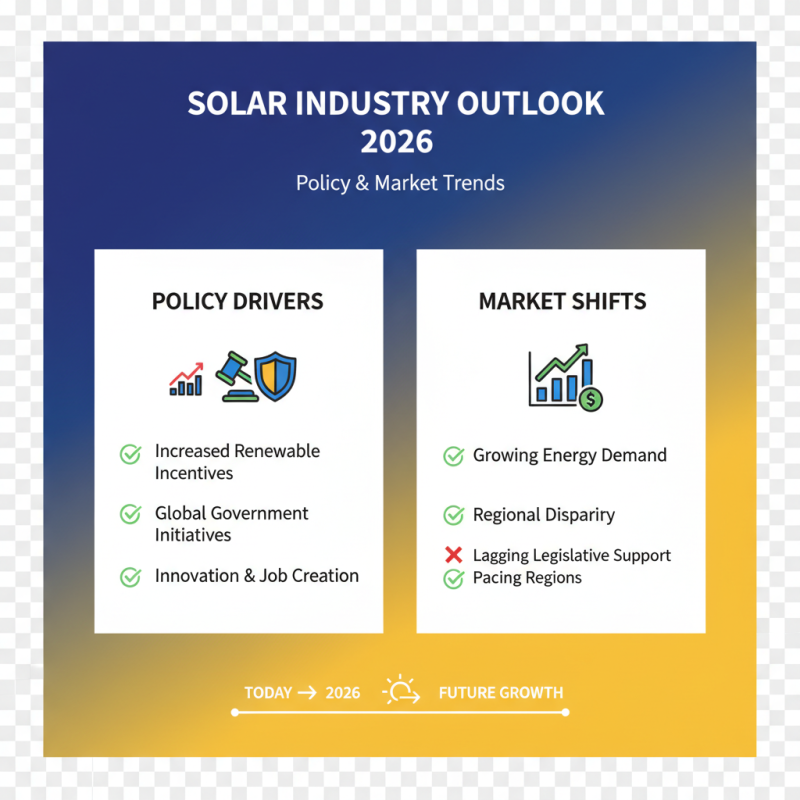
The solar industry is at a crossroads as we approach 2026. Policymakers and market forces are shifting. Incentives for renewable energy are increasing. Governments worldwide are launching initiatives to support solar growth. These policies can drive innovation and create jobs. However, not all regions are keeping pace. Some lack the necessary legislative support, hampering potential advancements.
Market trends are evolving as well. Consumer interest in sustainable solutions rises. Residential solar installations are becoming more prevalent. This shift is partly due to increased awareness of climate change. Yet, there are challenges. Supply chain disruptions can hinder growth. Additionally, equity in solar access remains a concern. Not all communities benefit equally from solar technology.
Innovation is at the heart of these transformations. New technologies are emerging. Energy storage solutions are improving regularly. Solar panels are becoming more efficient and affordable. Still, there's room for improvement in energy distribution systems. The industry must address these flaws to maximize impact. Balancing rapid growth with sustainability is essential. The interplay of policy and market dynamics will shape the future of solar energy.