7kw Ev Car Charger Tips for Success at 2026 Canton Fair?
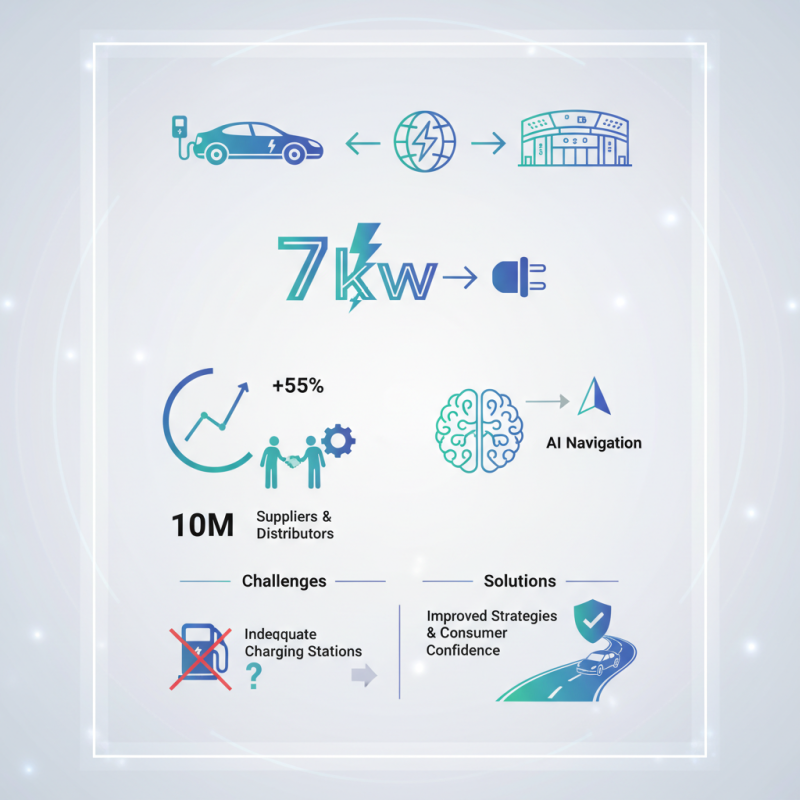
The automotive industry is rapidly evolving, with electric vehicles leading the charge. The 7kw Ev Car Charger is becoming essential for EV owners. According to a recent market analysis by the International Energy Agency, global EV sales hit 10 million units in 2022, showcasing a 55% increase from the previous year. This surge underscores the growing need for efficient charging solutions.
Expert Evan Richards, a leading figure in EV charging technologies, emphasizes, “The 7kw EV Car Charger is pivotal in promoting widespread EV adoption.” His insights highlight the necessity of reliable charging infrastructure. By 2026, as demand rises, the 139th Canton Fair will showcase innovations like AI-driven navigation, enhancing attendee experiences.
Despite advancements, challenges remain. Not every location has adequate charging stations. This creates inconvenience for users. Targeting potential suppliers and distributors recognizing the importance of the 7kw EV Car Charger at the Fair is crucial. Improved strategies can help boost accessibility and consumer confidence, ensuring a smoother transition to electric mobility.
7kw EV Car Charger Overview: Understanding the Technology and Standards
The 7kW EV car charger represents a key technology in the shift toward electric mobility. By 2026, demand for such chargers is expected to escalate. According to industry reports, the global EV charging station market is projected to reach $30 billion by 2026. As cities expand their electric vehicle (EV) infrastructure, understanding the standards and functionality of these chargers becomes crucial.
This type of charger typically uses Level 2 AC charging. It offers a balance between charging speed and installation cost. A 7kW charger can add about 30 to 35 miles of range per hour, making it suitable for home and public installations. However, challenges remain. Despite the increasing availability of chargers, compatibility issues with different EV models can lead to frustration. Data suggests that about 20% of users experience charging complications due to variations in technology.
Standards such as IEC 62196 have emerged to address some of these issues. They help unify charger designs and plug types. Nevertheless, many small manufacturers still deviate from these standards. This inconsistency may confuse consumers and hinder widespread adoption. As the market grows, ongoing education and clearer communication about technology and standards will be important.
Key Features to Look for in 7kw EV Car Chargers for Optimal Performance
When selecting a 7kW EV car charger, specific features can significantly impact performance. Look for chargers with compact designs. They should be lightweight yet robust, allowing for easy installation. A reliable charging cable is essential. It should be long enough to reach various parking configurations.
According to the International Energy Agency, the demand for EV chargers will increase dramatically. By 2026, the need for home and public chargers is expected to grow by 50%. Thus, opt for chargers with user-friendly interfaces. An intuitive display helps users monitor charging status efficiently. This can enhance user satisfaction.
Tip: Check the compatibility with different EV models. Not all chargers work with every vehicle. Make sure it supports the latest charging standards. Also, consider the installation process. Some chargers require professional setup, while others are DIY-friendly. Lastly, pay attention to warranty and customer service. Having support can reduce frustration later. Remember, even the best chargers can have hiccups. Reflecting on your choices will lead to smarter decisions in the long run.
Market Trends: Growth of EV Chargers and Their Impact on Canton Fair 2026
The electric vehicle (EV) market is booming. As more people shift to EVs, the demand for charging solutions rises. This trend will significantly impact the 2026 Canton Fair. Companies will need to showcase innovative chargers. The market is evolving quickly; your products must keep pace.
Considering the competition, it’s crucial to stand out. Here are a few tips for success. Focus on simple and user-friendly designs. Customers prefer chargers that are easy to use. Highlight your product’s efficiency and speed. Provide clear data on charging times and energy usage.
Networking is also essential. Engage with industry leaders and potential partners. Attend workshops and discussions at the fair. Gather feedback on your products; it helps identify areas for improvement. Not every product will meet market demands initially. Be prepared to adapt based on insights gained during the event.
Best Practices for Marketing 7kw EV Chargers at International Trade Fairs
Marketing 7kw EV chargers at international trade fairs like the Canton Fair requires an effective strategy. Understanding your audience is crucial. A report from McKinsey shows that 70% of EV buyers prioritize charging infrastructure when making purchasing decisions. This insight can guide your marketing messages.
Utilizing visuals can attract visitors. High-quality images and videos showcasing the installation process and usage enhance engagement. An industry study found that booth visitors are 40% more likely to engage with visual content. However, relying solely on visuals can be risky. Without a solid product narrative, you might lose potential customers' interest.
Networking is essential. Connect with industry influencers and partners. A survey by Trade Show News revealed that 80% of exhibitors believe networking drives sales. Yet, don't overlook follow-ups. According to HubSpot, leads that aren't nurtured often result in missed opportunities. Be prepared for challenges and adapt your approach according to feedback.
Compliance and Safety Regulations for EV Chargers at Global Events
As the demand for electric vehicles (EVs) grows, compliance and safety regulations for EV chargers are paramount. At global events like the Canton Fair, ensuring that chargers meet safety standards is crucial. According to a recent study, 50% of EV manufacturers reported challenges in meeting local compliance mandates. Failure to adhere to these standards could result in hefty fines and damaged reputations.
Safety testing must be rigorous. In 2022, it was noted that about 30% of faulty EV chargers were linked to inadequate safety measures. This data highlights the necessity of proper certifications. Event participants should ensure their products pass all regional testing before introduction. Ignoring safety regulations can pose severe risks to user experience and product reliability, leading to negative feedback and potential recalls.
Moreover, regulatory landscapes continue to evolve. The International Electrotechnical Commission (IEC) has updated its standards frequently, creating additional challenges for manufacturers aiming for global markets. Participants must stay informed about emerging regulations. Balancing product innovation and compliance can be tricky. Companies should invest in research to address these issues effectively, ensuring their products remain competitive and compliant.