Top Domestic Solar Systems Benefits and Installation Guide?
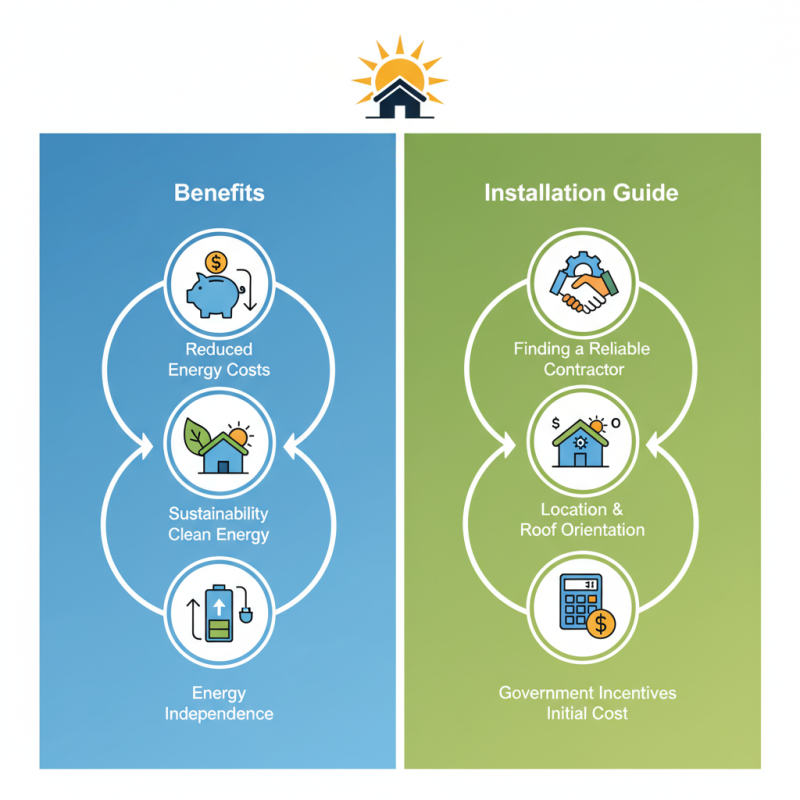
The adoption of domestic solar systems is on the rise. Many homeowners are looking for ways to reduce energy costs and enhance sustainability. These systems provide clean energy, decrease reliance on fossil fuels, and promote energy independence.
Installing a domestic solar system has its benefits. Homeowners can save money in the long run. Solar energy reduces electricity bills significantly. However, the initial cost of installation can be high. It makes some hesitate. Yet, government incentives may offset these costs.
Understanding the installation process is also vital. Finding a reliable contractor is critical, as the right installation ensures efficiency. Homeowners must also consider location and roof orientation. Not every home is ideal for solar panels. Each situation requires careful thought and planning to maximize the benefits of domestic solar systems.
Benefits of Installing Domestic Solar Systems: An Overview
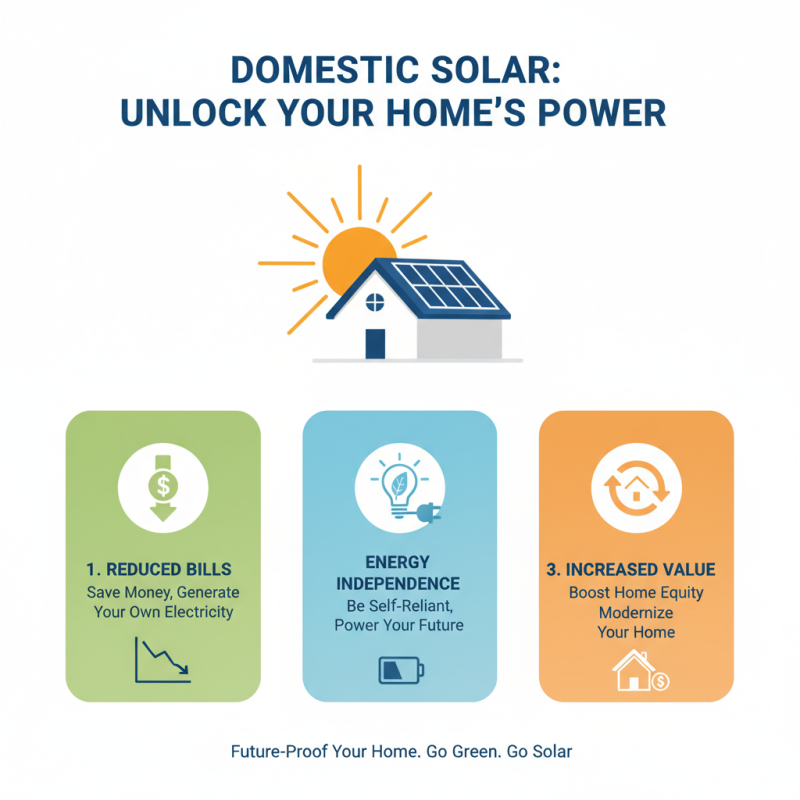
Installing domestic solar systems offers remarkable advantages for homeowners. One of the most significant benefits is the reduction in energy bills. Imagine producing your own electricity from sunlight. As energy costs rise, this visualizes future savings. Many families may even achieve energy independence, feeling empowered without reliance on utility companies.
Additionally, installing solar panels contributes positively to the environment. Sunlight is a renewable resource. Embracing solar energy means reducing your carbon footprint. However, there are challenges. Initial installation costs can be a concern for some households. It’s essential to assess long-term savings versus short-term investment.
Beyond financial gains, solar energy enhances home value. Homes equipped with solar systems often sell faster and at higher prices. But not every installation aligns with every home. Factors like roof orientation and local regulations may apply. It's necessary to evaluate these aspects before making a decision. The journey to solar energy requires careful consideration.
Understanding Solar Energy: How It Works and Its Advantages
Solar energy is transforming the way we power our homes. It harnesses sunlight, converting it into usable electricity. This process involves photovoltaic cells. These cells capture sunlight and generate direct current (DC) electricity. An inverter then converts this DC into alternating current (AC), which powers our appliances.
Numerous studies indicate that solar energy has significant advantages. According to a report by the National Renewable Energy Laboratory, homeowners can save thousands on energy bills by switching to solar. Additionally, solar technology reduces carbon footprints, promoting environmental health. A report by the International Energy Agency states that solar power could lead to a 70% reduction in emissions by 2050.
Tip: Evaluate your roof’s condition before installation. Ensure it can support solar panels effectively. Cracks or wear can lead to costly repairs later on. Also, consider local energy policies. Incentives may be available in your area, making solar even more affordable.
Adopting solar energy does have challenges. Initial costs can be high. However, financing options are often available. Long-term benefits typically outweigh the initial investment. Understanding these factors is crucial before making a decision.
Financial Incentives and Rebates for Residential Solar Installations
Financial incentives for residential solar installations are becoming increasingly attractive. Many homeowners are unaware of the potential savings available. These incentives often come in the form of tax credits, rebates, and grants. They can significantly reduce the upfront costs of solar systems. For example, tax credits can cover a percentage of installation expenses. Some local governments also offer rebates that cut down the overall price.
Navigating these incentives can be tricky. Homeowners may miss out if they don’t research properly. Some incentives have deadlines or specific eligibility criteria. Additionally, not every area offers the same financial benefits. It’s essential to check local and state programs that you might qualify for. Grants can sometimes be underfunded, making them highly competitive.
Investing time in understanding these options pays off. Solar installation is a long-term commitment. Reflecting on potential financial benefits can guide your decision. Costs may vary, but savings can be substantial. Re-evaluating your budget with these incentives in mind can reveal unexpected opportunities. Look into all available options before making a decision.
Installation Process of Solar Systems: A Step-by-Step Guide
Installing a solar system in your home can seem daunting. However, understanding the installation process can make it feel more achievable. The first step is evaluating your roof’s solar potential. This involves checking the orientation and angle, as this affects energy capture. You might find your roof needs some repairs before installation. Don’t overlook this; an unstable roof can lead to complications later.
Next comes selecting the right system for your needs. There are various types available, from grid-tied to off-grid solutions. Each option has its pros and cons. Consider your budget and energy needs carefully. After that, obtaining permits is crucial. This process can take time, and delays often happen. Communication with local authorities can help ease this process.
Once permits are secured, the installation begins. A team will typically arrive to install the panels, wiring, and inverter. You may notice some noise and disruption during this phase. Be prepared for an adjustment period. After installation, inspections are necessary to ensure compliance with local codes. You may feel eager to start using your solar system, but patience is key. Each step is vital for a successful solar energy setup.
Top Domestic Solar Systems Benefits and Installation Guide
| Benefit |
Description |
Installation Steps |
| Cost Savings |
Reduce electricity bills and variable energy costs. |
1. Site Assessment
2. System Design
3. Permitting
4. Installation |
| Environmental Impact |
Decrease carbon footprint and reliance on fossil fuels. |
5. Electrical Connection
6. Inspection
7. Activation |
| Energy Independence |
Generate your own power and protect against rising energy prices. |
8. Monitoring System Setup |
| Increased Home Value |
Solar systems can increase property value due to reduced energy costs. |
N/A |
| Government Incentives |
Tax credits and rebates can help reduce upfront costs. |
N/A |
Long-term Impact of Solar Panels on Home Value and Energy Costs
The installation of solar panels can significantly boost a home's value. According to a recent report from the U.S. Department of Energy, homes with solar energy systems sold for an average of $15,000 more than those without. This increase is a strong incentive for homeowners considering solar energy. However, many still overlook the long-term implications of their investment.
Solar panels reduce energy costs considerably. The U.S. Solar Market Insight Report states that homeowners can save up to 30% on monthly energy bills. These savings accumulate over time. Indeed, some homeowners report saving thousands in payment over a decade. Yet, many are hesitant to make the switch due to upfront costs and installation challenges.
While the benefits are clear, not everyone experiences immediate satisfaction. Installation can be disruptive, and variables like roof condition or orientation affect energy output. Homeowners must consider if this investment aligns with their financial goals. It's important to weigh the potential benefits against the effort and costs involved.