Top 10 Benefits of Installing Domestic Solar Systems for Your Home
The transition to renewable energy sources has gained substantial momentum in recent years, particularly in residential settings. According to the International Energy Agency (IEA), global solar PV capacity reached an impressive 1,000 gigawatts in 2020, highlighting widespread adoption and a growing trend towards sustainability. Investing in domestic solar systems not only contributes to environmental conservation by reducing carbon footprints, but also offers significant economic advantages for homeowners. A report from the National Renewable Energy Laboratory (NREL) indicates that households with solar installations can save an average of $10,000 on energy costs over their lifespan, showing a compelling financial incentive alongside environmental benefits.
Moreover, the adoption of domestic solar systems is bolstered by various government incentives and subsidies aimed at promoting renewable energy usage. According to the Solar Energy Industries Association (SEIA), residential solar installations have surged by over 20% annually in the past few years, demonstrating a robust interest in harnessing solar power for personal energy needs. This growth not only signifies a shift towards more sustainable energy sources, but it also showcases the potential for homeowners to take control of their energy generation. As energy prices continue to rise, the move towards domestic solar systems presents a practical and lucrative option for those looking to enhance their property's value while contributing to a greener future.
Benefits of Renewable Energy Sources in Domestic Solar Systems
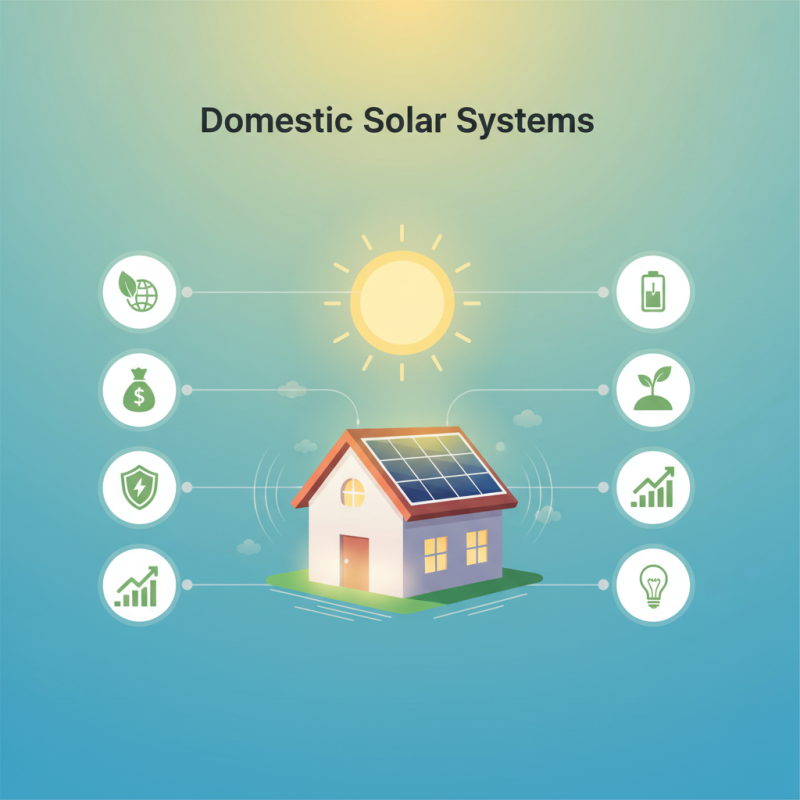
Installing domestic solar systems not only enhances energy efficiency in your home, but also significantly contributes to the broader adoption of renewable energy sources.
Solar energy is a clean and sustainable option, reducing reliance on fossil fuels and decreasing carbon emissions. By harnessing the power of the sun, homeowners can not only lower their utility bills but also play a crucial role in combating climate change.
The environmental benefits of solar systems include conserving natural resources and promoting cleaner air by reducing pollutants emitted during conventional energy production.
For those considering solar installation, it's essential to evaluate the specific energy needs of your household. Conducting a thorough energy audit helps you determine the appropriate system size and potential savings. Also, taking advantage of local incentives, such as tax credits or rebates, can make the investment more affordable. Additionally, maintaining your solar panels—keeping them clean and free from debris—ensures optimum performance and longevity.
One crucial tip is to choose a qualified installer who can provide insights into the best solar solutions for your home. Researching and reading reviews can guide you in selecting reputable professionals. Finally, stay informed about advances in solar technology, as new options may offer more efficient energy production, thus enhancing the benefits of renewable energy sources for your domestic solar system.
Cost Savings on Energy Bills with Solar Energy Installation
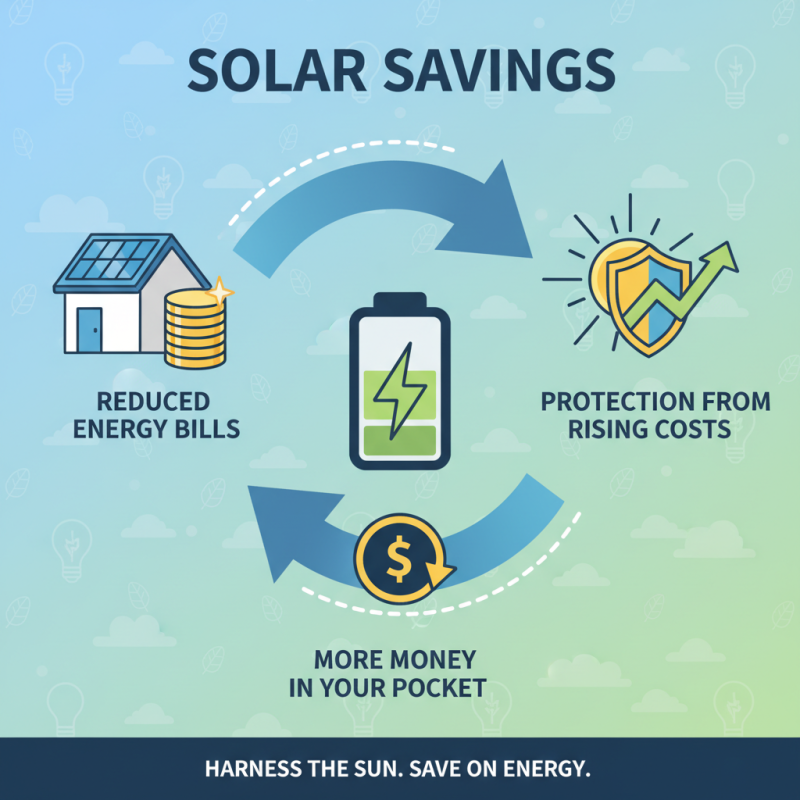
One of the most significant advantages of installing domestic solar systems is the cost savings on energy bills. By harnessing the power of the sun, homeowners can significantly reduce or even eliminate their reliance on grid electricity. Solar panels convert sunlight into usable energy, allowing households to meet a substantial portion of their energy needs independently. This shift not only leads to lower monthly utility bills but can also safeguard homeowners against rising energy costs in the long term.
In addition to immediate savings, installing solar energy systems often leads to greater financial security. Many regions offer incentives, rebates, and tax credits for solar installations, further enhancing the affordability of this energy solution. As energy prices continue to escalate, investing in solar technology can be seen as a proactive measure against future expenses. Furthermore, solar systems can increase property value, making them a wise investment for homeowners looking to enhance their financial profile while contributing to a more sustainable environment.
Environmental Impact: Reducing Carbon Footprint Through Solar Power
The environmental impact of installing domestic solar systems is significant, primarily through the substantial reduction of carbon footprints associated with traditional energy sources. According to the National Renewable Energy Laboratory, residential solar installations can reduce carbon emissions by an average of 100 tons over their operational lifetimes. This impact is crucial, especially when considering that approximately 40% of the world's carbon dioxide emissions come from electricity and heat production, often generated through fossil fuels.
Moreover, switching to solar power contributes to cleaner air and a reduced reliance on non-renewable resources. The U.S. Environmental Protection Agency has reported that one megawatt-hour of solar energy can offset approximately 0.9 tons of carbon dioxide emissions. This transition not only benefits the environment by decreasing pollutants that lead to global warming but also enhances sustainability within communities. By harnessing solar energy, homeowners actively participate in reducing greenhouse gas emissions, fostering a healthier planet for future generations. In summary, the adoption of solar power at the domestic level plays a pivotal role in combating climate change and promoting environmental stewardship.
Increase in Home Value After Solar System Installation
The installation of domestic solar systems not only provides homeowners with clean energy but also significantly impacts the market value of their properties. Homes equipped with solar panels are often seen as more desirable by potential buyers, leading to an increased resale value. This is primarily due to the lower energy bills associated with solar energy, which can be a compelling selling point. Buyers are increasingly aware of long-term cost savings and the appeal of sustainable living, making homes with solar power more attractive in a competitive real estate market.
Moreover, various studies suggest that homes with solar systems can sell for a premium compared to similar homes without them. This increase in home value can vary based on factors such as location and the efficiency of the installed system, but the trend is clear: homebuyers are willing to pay a higher price for properties that offer renewable energy solutions. As environmental awareness continues to grow, the presence of solar panels in a home not only indicates lower energy costs but also aligns with the broader shift towards eco-friendly living, further enhancing the property’s appeal.
Top 10 Benefits of Installing Domestic Solar Systems for Your Home
Government Incentives and Rebates for Solar Energy Adoption
Government incentives and rebates play a pivotal role in encouraging homeowners to adopt solar energy systems. Many countries and local governments have introduced generous programs designed to reduce the financial burden of solar installations. These incentives can come in various forms, including tax credits, direct rebates, and grants, which significantly lower the initial investment needed for residential solar systems. For instance, federal tax credits often allow homeowners to deduct a substantial percentage of their solar installation costs from their taxable income, making solar more accessible to the average homeowner.
Additionally, some regions offer performance-based incentives, rewarding homeowners for the energy their solar systems produce over time. This not only incentivizes the installation of solar systems but also promotes sustainable energy practices by encouraging homeowners to maximize their solar output. By taking advantage of these government programs, homeowners can recover their investment much faster, enhancing the overall financial viability of adopting renewable energy.
As solar technology becomes more affordable and efficient, these incentives help ensure that going solar is a practical and economically sound decision for more families.