What Are the Benefits of Lithium Battery Cars?
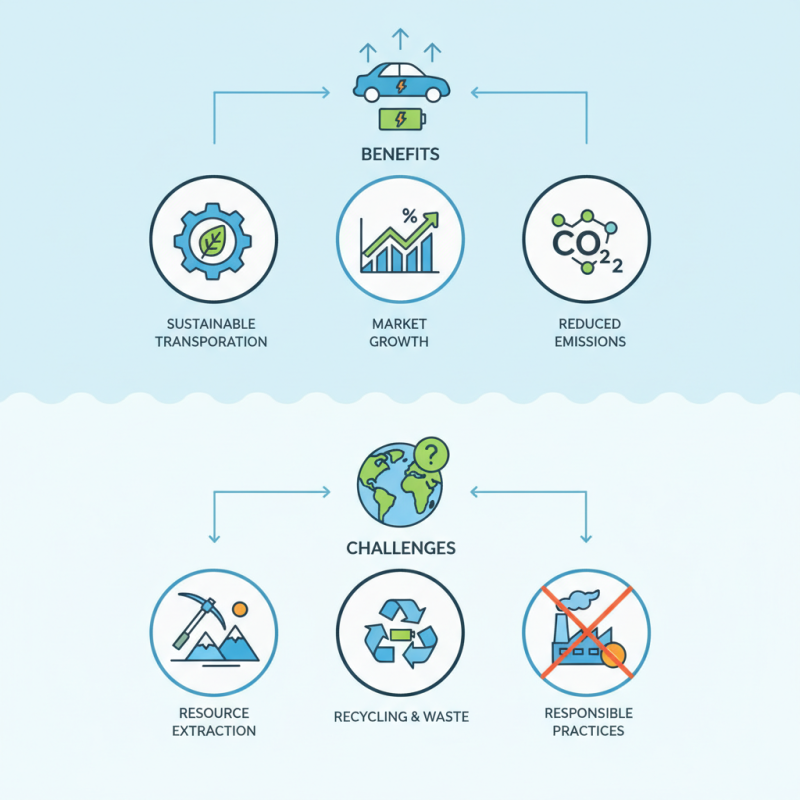
As the world shifts towards sustainable transportation, Lithium Battery Cars are becoming increasingly popular. The International Energy Agency reports that sales of electric vehicles surged by 40% in 2020, largely driven by advancements in lithium battery technology. This growth underscores a significant transition in the automotive landscape.
Industry expert Dr. Alice Green has stated, "Lithium battery technology will define the future of mobility." This emphasizes the potential impact of these vehicles on reducing greenhouse gas emissions. According to research from BloombergNEF, lithium-ion batteries could account for 58% of the global automotive market by 2030.
However, challenges remain. The extraction of lithium and its environmental implications are under scrutiny. Additionally, the life cycle of batteries raises questions about recycling and waste management. Hence, while Lithium Battery Cars offer clear benefits, there is a pressing need for responsible practices in production and disposal.
Advantages of Lithium Batteries in Electric Vehicles
Lithium batteries are transforming the electric vehicle landscape. These batteries are lightweight and compact, making them ideal for various car designs. Their high energy density means they can store more power in a smaller space. This allows electric vehicles to travel farther on a single charge, appealing to drivers' needs for convenience.
Additionally, lithium batteries have a longer lifespan compared to other battery types. They can endure more charge cycles without significant performance loss. This efficiency contributes to lower overall maintenance costs. However, the manufacturing process can raise environmental concerns. It’s essential to consider the sourcing of materials. Sustainable practices must be prioritized.
The charging speed of lithium batteries is another notable advantage. Many can recharge to significant capacities in a short time. This feature is crucial for everyday use, reducing waiting periods at charging stations. Still, the infrastructure for electric vehicles is evolving. As more fast chargers become available, the convenience factor will improve. Balancing benefits with sustainability is vital for future growth.
Environmental Impact of Lithium Battery Cars
Lithium battery cars are often hailed as an eco-friendly alternative to traditional vehicles. They produce zero tailpipe emissions, significantly reducing urban air pollution. This benefit is crucial as cities around the world struggle with smog and respiratory issues. However, the production and disposal of lithium batteries raise concerns. Mining for lithium can harm ecosystems. It often uses large amounts of water and generates waste.
Tips: Always consider how battery production impacts the environment. Choose reputable sources when seeking battery recycling options.
While lithium battery cars reduce greenhouse gases during use, the energy used for charging matters. If the electricity comes from fossil fuels, the overall reduction in emissions might be less impressive. It's essential to shift towards renewable energy sources to maximize the benefits.
Tips: Look for local incentives to install solar panels to power your electric vehicle. This can enhance the sustainability of your driving habits.
The recycling process for lithium batteries is not well-established. Many end up in landfills, posing environmental hazards. Researching local battery disposal options ensures you do your part. Consider supporting policies promoting better recycling methods.
Cost-Effectiveness of Lithium Battery Technology
Lithium battery technology has emerged as a cost-effective solution in the automotive industry. These batteries are lighter and smaller than traditional options. This efficiency translates to lower manufacturing costs. The potential for reduced vehicle prices appeals to many buyers, especially those looking for budget-friendly options.
The lifespan of lithium batteries also plays a role in their cost-effectiveness. They generally last longer than their counterparts. Higher durability means fewer replacements over time. However, the initial investment can still be daunting. Many consumers worry about battery degradation over years. It’s essential to strike a balance between upfront costs and long-term savings.
Moreover, the charging infrastructure is evolving. As more charging stations become available, convenience increases. This can alleviate some range anxiety. Still, the time required to charge can be a concern. Fast charging technology is progressing, yet it’s not perfect. Many users find themselves waiting longer than expected. Investing in advancements remains crucial for improving overall user experience.
What Are the Benefits of Lithium Battery Cars? - Cost-Effectiveness of Lithium Battery Technology
| Benefit | Description | Cost Implication |
| Lower Fuel Costs | Lithium battery electric cars are generally cheaper to run than gasoline cars due to lower energy costs. | Savings of up to $1,000 annually compared to gasoline vehicles. |
| Tax Incentives | Many governments offer tax rebates and incentives for purchasing electric vehicles. | Potential savings of $7,500 to $10,000 depending on the region. |
| Maintenance Savings | Lithium battery cars have fewer moving parts, leading to lower long-term maintenance costs. | Estimated maintenance cost savings of 30% over traditional vehicles. |
| Resale Value | Electric vehicles are experiencing growing demand, boosting resale prices. | Potential resale values up to 10-15% higher than their gasoline counterparts. |
| Environmental Benefits | Electric vehicles produce fewer emissions, contributing to reduced pollution and energy dependence. | Indirect cost benefits through improved public health and lower environmental remediation costs. |
Performance and Efficiency of Lithium Battery Cars
Lithium battery cars demonstrate remarkable performance and efficiency compared to traditional vehicles. These cars accelerate quickly, providing a thrilling driving experience. The torque from electric motors ensures responsive handling, making them suitable for city and highway driving. The smoothness of electric power delivery adds to the overall comfort.
Energy efficiency is a standout feature of lithium battery vehicles. They convert energy from the grid into power more effectively than gasoline engines. This efficient process often results in lower energy costs for owners. Charging options are diverse, allowing convenience at home or public stations. However, charging times can vary greatly, causing some inconvenience during long trips.
Despite their benefits, challenges remain. Battery life can diminish over time, impacting performance. Manufacturers often grapple with recycling and sustainability issues regarding lithium extraction. These factors require further innovation. Regular maintenance is vital to keep battery systems operating at peak efficiency. Understanding these aspects is essential for prospective buyers.
Future Trends in Lithium Battery Development for Automobiles
The future of lithium battery development for automobiles appears promising yet challenging. Current trends indicate an emphasis on enhancing battery capacity and reducing charging times. Researchers are exploring new materials to improve energy density. This could lead to longer ranges for electric vehicles (EVs). Imagine EVs traveling over over 500 miles on a single charge.
However, there's an ongoing struggle with lithium extraction and production. The environmental impact of mining operations remains a concern. Many cities face water shortages due to this process. People are questioning the long-term sustainability of lithium batteries. As the demand for electric cars increases, finding ethically sourced lithium is crucial.
Recycling lithium batteries is another emerging trend. Advanced recycling techniques could minimize waste and recover valuable materials. Yet, the infrastructure for recycling is still underdeveloped. Many consumers remain unaware of the options available to them. Future development must address these issues to make electrical vehicles truly sustainable.