Top Off Grid Solar System Benefits for Sustainable Living?
The transition to sustainable living has become a pressing necessity, and off grid solar systems play a pivotal role in this shift. According to a report by the International Renewable Energy Agency (IRENA), the total installed capacity of off grid solar systems has been growing at a rate of approximately 30% annually. This growth underlines the increasing demand for energy independence and environmental sustainability.
Experts like Dr. Emily Green, a leading researcher in renewable energy, emphasize the significance of off grid solar systems: "They empower individuals, enabling them to generate their own power and reduce reliance on traditional energy sources." This autonomy can lead to lower energy costs and a reduced carbon footprint, aligning with global sustainability goals. Yet, transitioning to off grid systems isn't without challenges.
Despite the benefits, some areas still struggle with accessibility and affordability. In remote regions, the upfront costs can be a barrier. Additionally, the reliability of solar energy depends on geographic factors such as sunlight availability. Thus, while off grid solar systems present promising advantages for sustainable living, there are still hurdles to overcome in ensuring their widespread adoption.
Key Advantages of Off Grid Solar Systems for Eco-Friendly Living
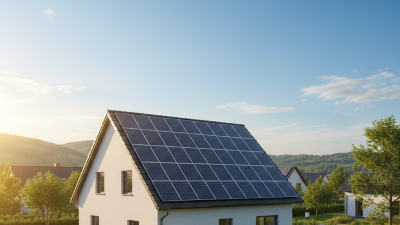
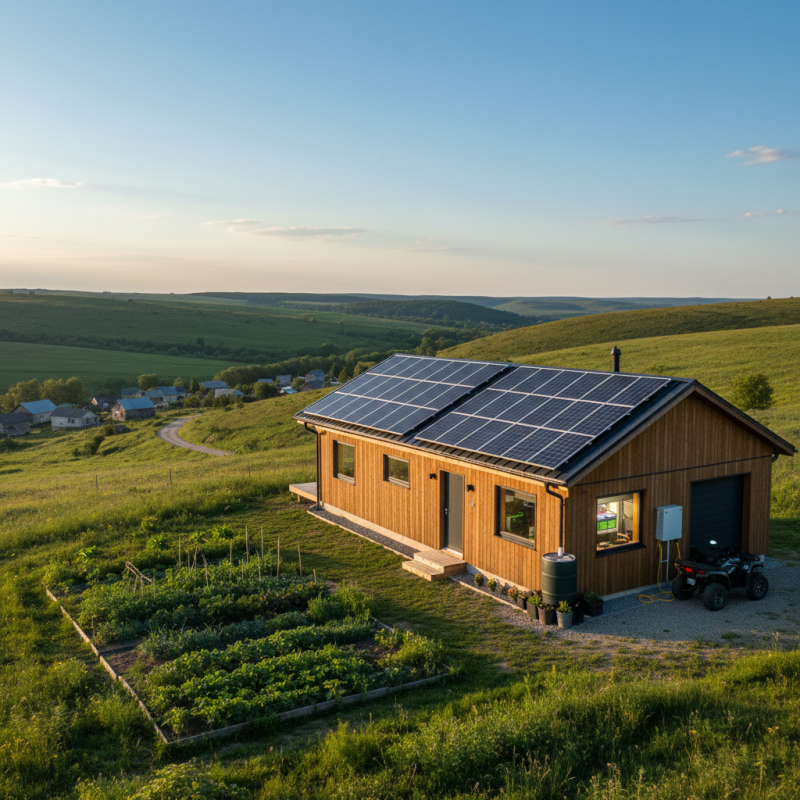
Off-grid solar systems offer numerous advantages for eco-friendly living. They provide energy independence, allowing homeowners to generate their own electricity. This means you’re less reliant on utility companies. You can produce clean energy right from your rooftop. Imagine reducing your carbon footprint while enjoying the benefits of renewable resources.
Moreover, these systems promote sustainable practices. With off-grid solar power, you are directly contributing to a greener planet. It reduces greenhouse gas emissions significantly. The initial installation may seem daunting, but think of the long-term savings. You won’t have monthly electricity bills. This can lead to significant financial freedom over time.
One should consider some challenges, though. Maintenance can be an ongoing concern. Battery storage might need upgrades or replacements. Understanding local regulations is vital too. Finding the right balance between energy needs and system size requires careful planning. It’s not always a perfect solution, but the impact is undeniably positive.
Independence from Traditional Energy Sources with Off Grid Solar
Off-grid solar systems offer significant independence from traditional energy sources. This means reduced reliance on utilities and fossil fuels. According to the International Renewable Energy Agency (IRENA), off-grid solar solutions can power over 600 million people worldwide. In rural areas, these systems can be a game changer. They provide electricity where grid access is minimal or non-existent.
Moreover, the initial investment in solar technology can be daunting. Many households face financial barriers when switching. However, the long-term savings are substantial. Research shows that homeowners can save up to 70% on energy costs after installing solar panels. A system's lifespan can exceed 25 years, making it a sustainable option. Yet, maintenance and upfront costs remain challenging for some.
While independence from traditional energy is a clear benefit, it's not without its challenges. Energy storage solutions, like batteries, can be costly and problematic. Weather variations affect solar efficiency. Communities often struggle to adapt technology that fits their unique needs. Continuous learning and adapting are essential for achieving reliable off-grid systems. Sustainability is a journey, not a destination.
Cost Savings Over Time: The Financial Benefits of Going Off Grid
Going off-grid with solar energy brings remarkable financial benefits. Initially, the setup costs can be high. However, over time, these costs diminish significantly. Imagine saving thousands on energy bills each year. Reduced utility payments create immediate savings.
Investing in solar power significantly cuts long-term costs. Once your system is paid off, sunlight becomes free. In regions with abundant sunshine, this can result in zero energy expenses. Furthermore, many off-grid systems may qualify for tax incentives or rebates. This can alleviate initial financial burdens, making it easier to transition.
Tips for maximizing savings include considering your energy needs carefully. Small adjustments can lead to big savings. Invest in energy-efficient appliances to reduce power consumption. Monitor your usage regularly. This keeps your system efficient and reduces additional costs. Lastly, consider maintenance and repair costs in your overall budget. Staying proactive can prevent unexpected expenses.
Cost Savings Over Time: The Financial Benefits of Going Off Grid
This chart illustrates the potential cost savings over a 25-year period for homeowners who choose to install an off-grid solar system compared to those who remain connected to the grid. The savings are represented in thousands of dollars.
Environmental Impact: Reducing Carbon Footprint with Solar Power
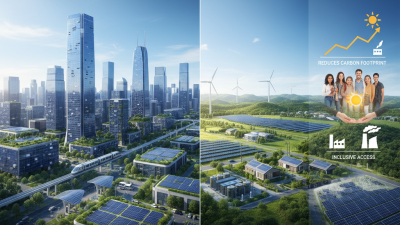
Off-grid solar systems significantly reduce your carbon footprint. They harness sunlight, a clean energy source, to power homes. This shift decreases reliance on fossil fuels, minimizing harmful emissions. By using solar power, you contribute to a healthier planet.
Consider these tips for maximizing your solar system's potential. Always choose energy-efficient appliances. This reduces energy consumption and enhances the benefits of your solar setup. Regular maintenance is crucial, too. Ensure your panels are clean and free from debris to boost efficiency.
However, transitioning to solar isn't always seamless. Initial costs can be high, and the installation process might be lengthy. Yet, reflecting on these challenges helps assess the long-term benefits. Using solar power is not just about savings; it’s about creating a sustainable future for generations to come.
Enhancing Energy Security: The Reliability of Off Grid Solutions
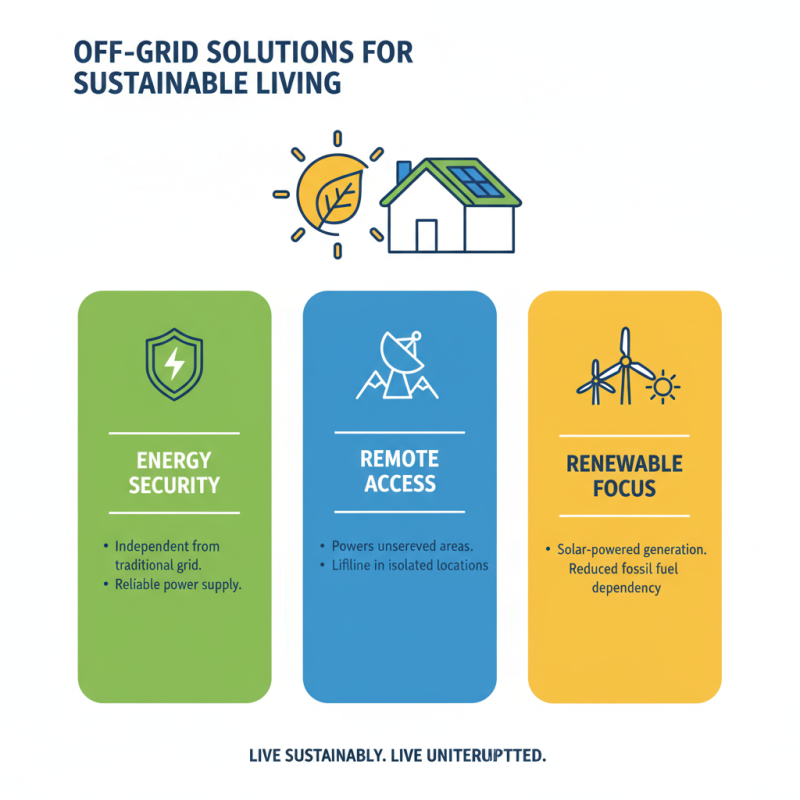
The reliability of off-grid solutions makes them an attractive option for sustainable living. These systems can provide energy security, free from the uncertainties of the traditional grid. Some remote areas lack stable electricity. Off-grid solar systems offer a lifeline, generating power directly from sunlight. This reduces dependency on fossil fuels and other non-renewable resources.
A key benefit is their resilience. When storms disrupt the grid, off-grid homes can still function. Solar panels and batteries allow for continued electricity. However, installation and maintenance can be challenging. Some systems may require technical knowledge for setup. Not everyone has the skills or budget for this investment. Still, the long-term savings on energy bills may outweigh initial costs.
Creating a truly self-sufficient home is not just about installing solar panels. It involves lifestyle changes too. Energy conservation practices are critical. Relying solely on solar energy can be limiting during cloudy days or winter months. Balancing energy use and understanding the system's capacity is essential. Off-grid living can empower individuals but requires careful planning and considerations.