
Call now: 0407 696 866
As we move further into 2023, the conversation around sustainable energy solutions continues to gain momentum, particularly in the realm of residential solar. Homeowners are increasingly recognizing the numerous advantages that residential solar energy systems bring to not only their homes but also to the environment and their financial well-being. With technology advancing and costs declining, solar panels have become an accessible option for many, making it crucial to understand the top benefits associated with harnessing this renewable resource.
The shift towards residential solar initiatives is driven by a variety of factors, from environmental concerns to economic incentives. By investing in residential solar energy, homeowners can significantly reduce their carbon footprint, contribute to energy independence, and enjoy substantial savings on their utility bills. Moreover, the resilience it offers against fluctuating energy prices and grid complications further solidifies its appeal. As we delve into the various benefits, it becomes clear that adopting residential solar energy is not just a trend, but a forward-thinking investment in a sustainable future.

Installing residential solar energy systems offers numerous advantages for homeowners. Firstly, one of the most compelling benefits is the significant reduction in electricity bills. Solar panels harness free energy from the sun, allowing homeowners to generate their own electricity. As a result, they can significantly decrease or even eliminate their reliance on grid power, leading to considerable savings over time. This is especially advantageous in regions with high electricity rates, where the return on investment can be realized quickly.
In addition to cost savings, residential solar energy systems enhance property value. Homes equipped with solar panels are often more attractive to potential buyers due to the promise of lower utility costs and environmental sustainability. Studies have shown that properties with solar installations can sell for more than those without, providing homeowners with not only immediate financial benefits but also long-term value appreciation. Furthermore, solar energy contributes to a greener environment, reducing greenhouse gas emissions and the overall carbon footprint, making it a responsible choice for eco-conscious individuals.
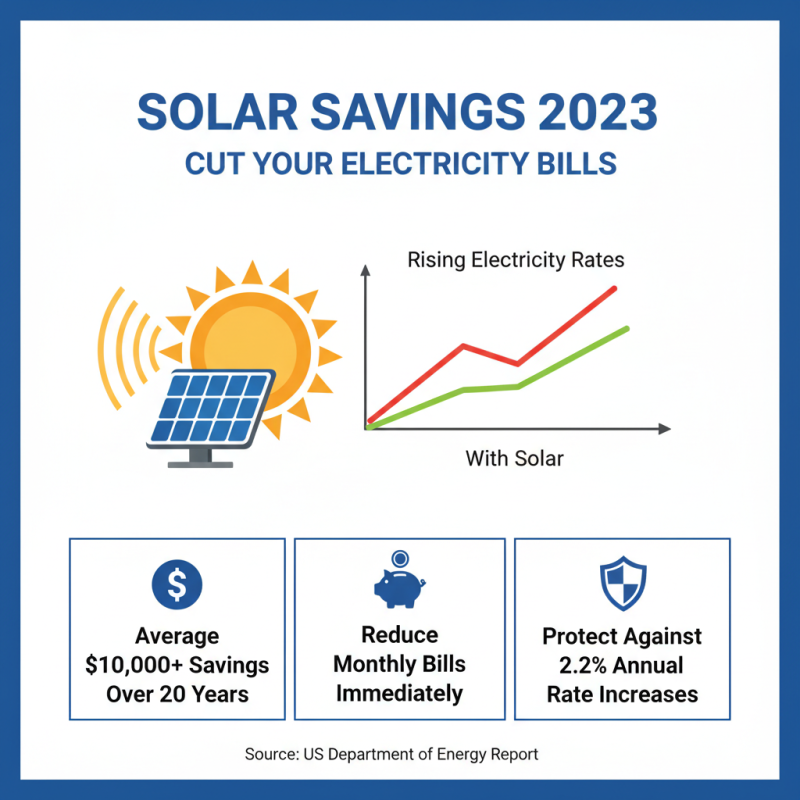
One of the most compelling advantages of adopting residential solar energy in 2023 is the substantial cost savings it provides through reduced electricity bills. According to a report by the U.S. Department of Energy, homeowners can expect to save an average of $10,000 over 20 years by installing solar panels. This translates to a reduction in monthly electricity costs, allowing families to allocate their resources to other essential expenses or investments. With the average electricity rate in the United States rising approximately 2.2% annually, the long-term savings from solar energy become even more pronounced as homeowners lock in their energy costs and protect themselves against future rate increases.
Further emphasizing the financial benefits, the National Renewable Energy Laboratory highlights that solar energy systems can increase a home’s value significantly. Homes equipped with solar panels often see an increase in resale value by about $15,000, according to a comprehensive analysis of real estate data. Additionally, many states offer tax incentives and rebates aimed at reducing the upfront costs of solar installation, making the switch more accessible for homeowners. By investing in solar energy, not only can families enjoy immediate savings on their monthly bills, but they can also secure a sustainable financial future while contributing to environmental conservation.
Solar energy plays a pivotal role in promoting sustainability and mitigating environmental impact. As a clean and renewable source of power, it significantly reduces greenhouse gas emissions and air pollutants compared to traditional fossil fuels. By harnessing the sun's energy, residential solar systems can generate electricity without releasing harmful substances into the atmosphere, contributing to the fight against climate change. Furthermore, the use of solar energy lessens the dependency on non-renewable resources, ensuring a healthier planet for future generations.
Tips for maximizing the environmental benefits of your solar energy system include planting native vegetation around your home. This can enhance biodiversity and create habitats for local wildlife, fostering a balanced ecosystem. Additionally, consider engaging with your community to promote solar energy awareness, encouraging others to adopt renewable technologies. Such collective efforts can amplify the positive impact on the environment and support sustainable practices within your locality.
Another tip is to ensure your solar panels are regularly maintained and cleaned. This not only enhances their efficiency but also extends their lifespan, leading to greater long-term environmental benefits. The more efficiently your solar system operates, the less reliance there will be on other energy sources, further reducing carbon emissions and promoting sustainability.
| Benefit | Description | Environmental Impact | Long-Term Savings |
|---|---|---|---|
| Reduced Electricity Bills | Solar panels generate electricity, reducing reliance on grid power. | Decreases fossil fuel reliance. | Average savings of $1,000/year. |
| Increase in Property Value | Homes with solar systems can sell for more. | Promotes sustainable living. | Increase in value by 3-4%. |
| Tax Incentives | Federal and state tax credits available for installation. | Encourages renewable energy adoption. | Up to 26% off installation costs. |
| Low Maintenance Costs | Solar systems require minimal upkeep. | Reduces overall carbon footprint. | Less frequent repairs compared to other systems. |
| Energy Independence | Less dependence on foreign energy sources. | Supports local energy production. | Stabilizes energy costs long-term. |
| Job Creation | Boosts local economies through jobs in installation and maintenance. | Promotes green jobs and technology. | Growing sector with ongoing opportunities. |
| Grid Security | Decentralizes energy production, enhancing grid stability. | Lowers risk of grid outages. | Mitigates costs from unplanned outages. |
| Technological Advancements | Continuous improvements in solar technology efficiency. | Promotes further environmental innovation. | Potential cost reductions over time. |
| Enhanced Sustainability | Using clean energy sources reduces environmental impact. | Reduces overall pollution levels. | Long-term savings from environmental health benefits. |
Investing in residential solar energy not only fosters sustainability but also significantly enhances property value. According to a 2022 report from the National Renewable Energy Laboratory, homes equipped with solar energy systems have been shown to sell for approximately 20% more than similar homes without solar installations. This substantial increase in sale price is attributed to the growing consumer awareness of renewable energy benefits and rising energy costs, making homes with solar energy systems more appealing to potential buyers.
Furthermore, the Solar Energy Industries Association reports that the installation of solar panels can yield a return on investment (ROI) of up to 150% over the life of the system. This means that not only do solar panels contribute to reduced energy bills, but they also provide an attractive financial incentive when it comes time to sell a home.
Homebuyers are often willing to pay a premium for properties that offer energy independence and long-term savings, making solar energy a compelling investment for homeowners looking to boost their property's market value while investing in a sustainable future.
Government incentives and tax benefits play a significant role in encouraging the adoption of solar energy for residential use. In 2023, many homeowners can take advantage of government programs designed to make solar energy systems more affordable and accessible. One of the most notable incentives is the federal solar tax credit, which allows homeowners to deduct a percentage of their solar system cost from their federal taxes. This can represent substantial savings, making solar energy a financially appealing choice.
In addition to the federal tax credit, numerous states and local governments offer their own incentives, including rebates, grants, and additional tax credits. These programs can vary widely, so it’s important for homeowners to research and understand what is available in their area. Some regions may also provide property tax exemptions for solar installations, meaning that the increased value of a home won’t lead to higher property taxes.
Tips: When considering solar energy adoption, start by assessing the total costs and potential savings through available incentives. Websites and resources specific to your region can provide updated information on incentives. Additionally, consulting with local solar energy experts can help navigate the complexities of the installation process and the associated financial benefits, ensuring you maximize your investment. It’s also wise to stay informed about any changing policies to make the most of available opportunities in the future.