Top 10 Benefits of Solar Green Energy for a Sustainable Future?
In today's world, the need for sustainable energy has never been clearer. Solar green energy stands at the forefront of this transformation. According to the International Energy Agency, solar energy could supply over 30% of global electricity by 2030. This potential marks a significant opportunity to reduce carbon emissions.
Solar green energy offers numerous benefits. It promotes cleaner air and reduces dependence on fossil fuels. The U.S. Department of Energy reported that solar energy could prevent 1.5 billion metric tons of carbon dioxide annually by 2050. This is crucial for combating climate change. However, despite these benefits, challenges remain.
Adopting solar green technologies can involve high initial costs. Many households still lack access to this clean energy source. Despite the fast-growing market, there is a need for more education and incentives. As we push towards a sustainable future, we must reflect on our progress and identify ways to overcome these barriers. The promise of solar green energy is immense, but realizing its full potential requires collective action and commitment.

Overview of Solar Green Energy and Its Environmental Impact
Solar green energy has gained attention for its potential environmental benefits. Using sunlight to generate power reduces greenhouse gas emissions. The International Energy Agency estimates that solar energy can cut CO2 emissions by up to 4.8 billion tons annually when implemented at scale. This drastic reduction is vital in the fight against climate change.
The shift to solar energy positively influences air quality. By replacing fossil fuels, solar eliminates harmful pollutants. According to a study by the National Renewable Energy Laboratory, solar power can prevent up to 90,000 premature fatalities from air pollution-related diseases in the U.S. alone. Yet, solar technology also has challenges. Manufacturing panels often involves materials that can harm the environment and workers. Moreover, the disposal of solar panels raises concerns. Recycling systems are not yet widespread.
While solar energy offers many prospects, our approach must evolve. A focus on sustainable materials and efficient recycling can mitigate risks. Transitioning to solar means addressing these complexities, ensuring a truly green energy future.
Economic Benefits: Cost Savings and Job Creation in Solar Energy
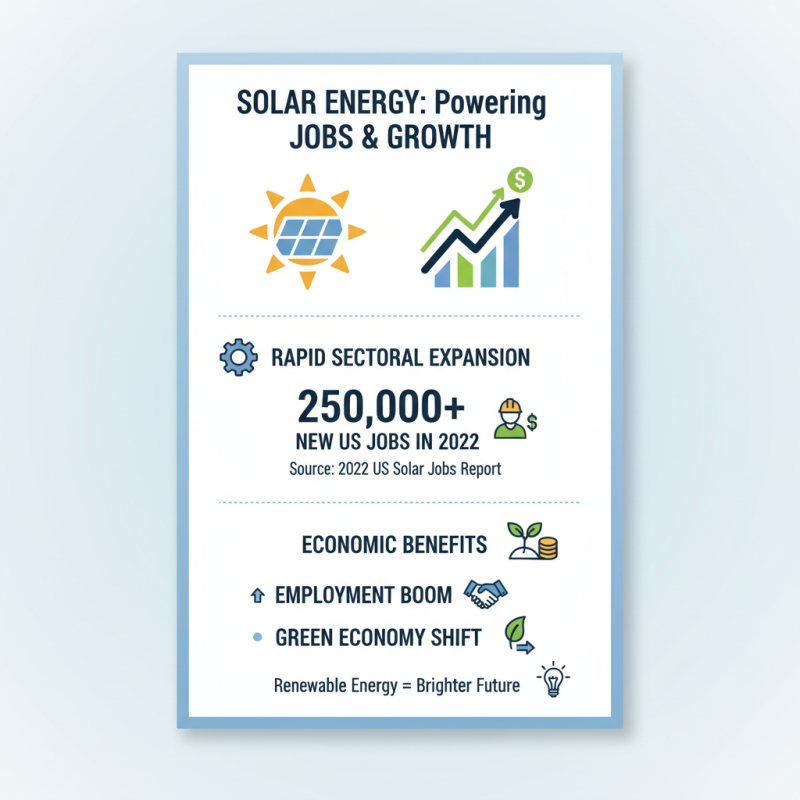
The solar energy sector is rapidly growing, providing significant economic benefits. In 2022, it created over 250,000 jobs in the United States alone. This trend illustrates how the shift towards renewable energy sources can enhance employment opportunities.
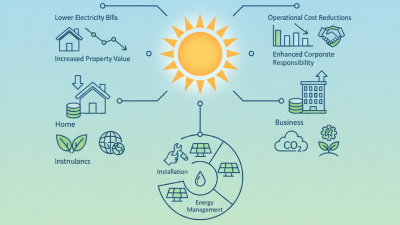
Cost savings are another important aspect. The levelized cost of solar power has dropped by 89% since 2009. Households can save up to $1,000 annually on electricity bills. However, access to solar energy is not equal; some communities still lack affordable options. This disparity suggests a need for inclusive policies to foster equity.
Despite these promising figures, challenges remain. The solar industry faces supply chain issues and initial installation costs. These hurdles can limit participation in the green energy transition. Addressing these barriers is crucial for maximizing economic benefits and fostering sustainability in the solar sector.
Reduction of Carbon Emissions: Quantifying Solar Energy's Contribution
The reduction of carbon emissions is a crucial factor in mitigating climate change. Solar energy plays a significant role in this effort. According to the International Energy Agency (IEA), solar power can potentially reduce CO2 emissions by up to 4.2 gigatons annually if widely adopted. This is significant considering that global carbon emissions reached approximately 36.4 gigatons in 2022.
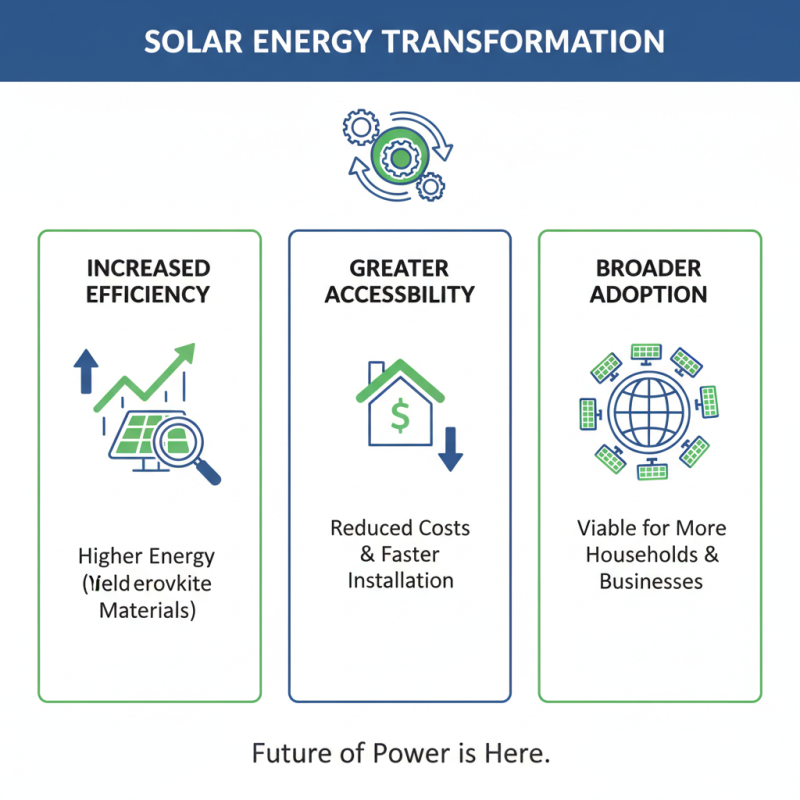
The technology behind solar energy has advanced rapidly. More efficient solar panels generate more energy. A report by the National Renewable Energy Laboratory indicates that the efficiency of photovoltaic cells has improved from around 15% a decade ago to over 22% today. While this progress is promising, it raises questions about sustainability in production. The materials used in manufacturing solar panels often have environmental impacts.
Many regions are embracing solar energy, yet challenges persist. For instance, energy production may not always align with consumption peaks. Additionally, disposal of old panels poses waste management issues. Data from the Global Solar Council highlights that about 78 million tons of solar panel waste may accumulate by 2050. Balancing these concerns with the benefits of emission reduction is crucial for a sustainable outlook.
Top 10 Benefits of Solar Green Energy for a Sustainable Future
Energy Independence: How Solar Energy Enhances National Security
Solar energy plays a crucial role in enhancing national security. By reducing reliance on foreign oil, countries can achieve greater energy independence. This shift means less vulnerability to international conflicts and supply disruptions. Imagine a nation that produces its own clean energy. It no longer faces the uncertainties of fluctuating oil prices or political instability.
Moreover, decentralized solar power systems can bolster local communities. Energy can be generated close to where it is needed. This reduces transmission losses and improves resilience during emergencies. Communities become more self-sufficient. However, challenges remain. Infrastructure for widespread solar adoption still needs improvement. Not every region has equal access to sunlight or technology.
Investing in solar energy is not just about the environment; it’s also a matter of security. Countries with robust solar programs can prioritize their energy needs. Yet, we must reflect on the potential drawbacks, like land use and resource allocation. Balancing progress with sustainability will be essential. Solar energy offers a promising path for secure energy futures, but careful planning is required.