Best Energy Solutions Solar for Global Buyers to Consider?
As the world transitions to renewable energy, "energy solutions solar" are gaining significant traction among global buyers. According to the International Renewable Energy Agency (IRENA), solar power could account for 20% of global energy production by 2040. This shift highlights the urgency of exploring reliable and sustainable energy solutions.
The rapid growth of solar technology and innovative financing options make it a viable choice for many regions. However, challenges remain. Some countries face regulatory hurdles, while others struggle with inconsistent sun exposure. Additionally, the initial investment for solar systems can be a barrier, despite falling prices over recent years.
Understanding these dynamics is crucial for informed decision-making. Stakeholders must weigh the long-term benefits against short-term costs. Engaging with well-established providers and exploring government incentives can streamline the transition. Ultimately, the right energy solutions solar can lead to substantial economic and environmental benefits, but careful consideration is necessary.

Solar Energy Market Overview and Growth Trends for Global Buyers
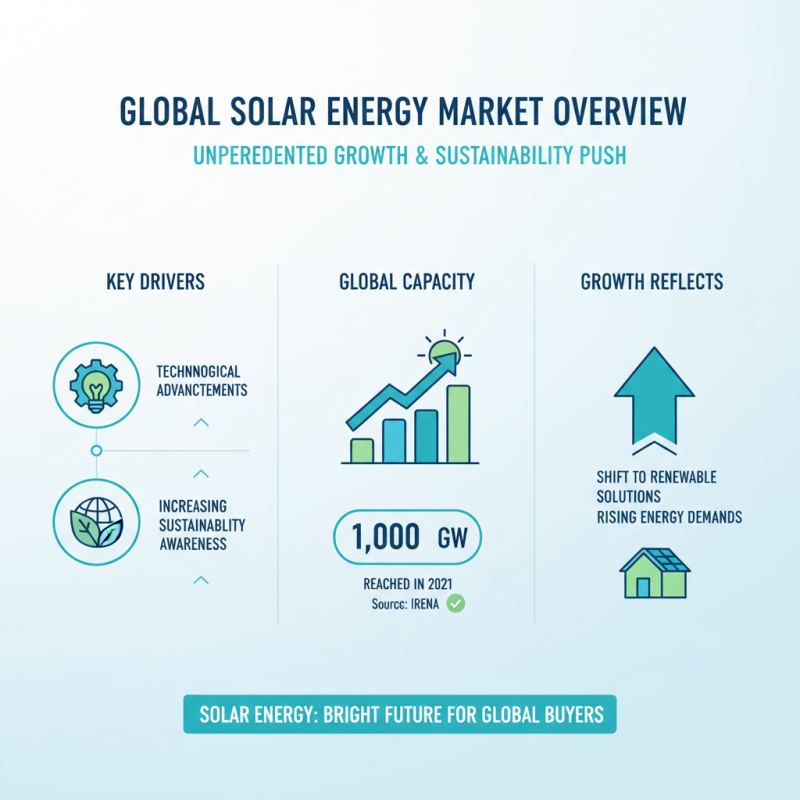
The solar energy market is experiencing unprecedented growth, driven by technological advancements and increasing awareness of sustainability. According to the International Renewable Energy Agency (IRENA), global solar capacity reached 1,000 gigawatts in 2021. This growth reflects a significant push towards renewable energy solutions amid rising energy demands.
In recent years, factors such as government incentives and decreasing costs have stimulated solar installation rates. The Lazard Levelized Cost of Energy Analysis shows that the cost of solar power has decreased by 88% since 2010. This trend makes solar solutions more accessible to a global audience. Consumers are taking note, with residential solar installations up by 20% year-over-year. However, challenges remain, including grid integration and regulatory hurdles.
**Tip: Before investing, assess local policies.** Understanding incentives can significantly impact overall cost savings. Engaging with local experts helps navigate the regulatory landscape.
Emerging markets are also increasingly adopting solar technology, yet some regions lack the infrastructure to support rapid growth. Inadequate financing options hinder broader adoption. Altogether, the interplay of these factors shapes a complex landscape for global buyers in the solar energy sector.
**Tip: Seek financing solutions early.** Exploring various financial aids can streamline your solar project. Look for diverse funding opportunities for optimal implementation.
Key Considerations for Choosing Solar Energy Solutions in Different Regions
As the demand for solar energy solutions grows, global buyers must consider local factors when making decisions. Each region has unique characteristics that influence the effectiveness of solar installations. For instance, areas with high sunlight hours, like Southern California, benefit significantly from solar energy systems. According to the Solar Energy Industries Association (SEIA), these areas see a 20-30% increase in energy output compared to regions with less sun exposure.
Regulatory environments also play a critical role. Countries with supportive policies tend to foster solar growth. The International Energy Agency (IEA) reports that incentives can lead to a 60% increase in solar adoption. However, buyers should also be wary. Some regions face bureaucratic hurdles that can delay installation and impact long-term returns. Understanding local regulations before investing is essential.
Economic conditions vary widely. In some regions, capital availability can hinder solar projects. The Global Solar Council notes that financing options can determine project success. An investor might encounter higher costs in emerging markets. It’s crucial to assess financial feasibility and explore local partnerships. Guidance from experts familiar with specific markets can provide invaluable insights into potential challenges and opportunities in different regions.
Best Energy Solutions Solar for Global Buyers to Consider
Comparative Analysis of Solar Panel Technologies and Efficiency Ratings
Solar energy has become a crucial element of the global energy landscape, driving innovations in panel technologies. A comparative analysis reveals notable differences in efficiency ratings across various types of solar panels. Monocrystalline panels typically lead the pack, reaching efficiency rates above 20%. These panels are lauded for their longevity and performance in low-light conditions.
Polycrystalline panels, while generally less efficient, offer a cost-effective alternative for many buyers. Their efficiency ratings hover around
15-17%. This may not be as impressive, yet they are still a viable choice, especially for large installations where budget constraints are paramount. Thin-film technologies present another option. They have lower efficiency rates, often below
12%, but can be advantageous for specific applications. These panels are lightweight and flexible.
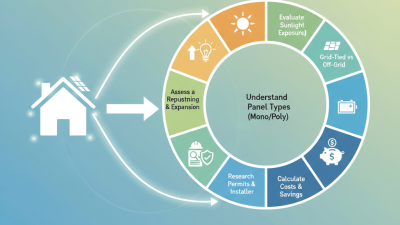
Despite advancements, challenges remain within the solar energy sector. Transitioning to solar requires careful consideration of local regulations, available sunlight, and system maintenance. Not every region is equally suited for optimal solar production. It's essential to thoroughly evaluate the technological landscape and individual needs, ensuring the right choice for each unique installation.
Cost-Benefit Analysis: Solar Energy Investment vs. Traditional Sources
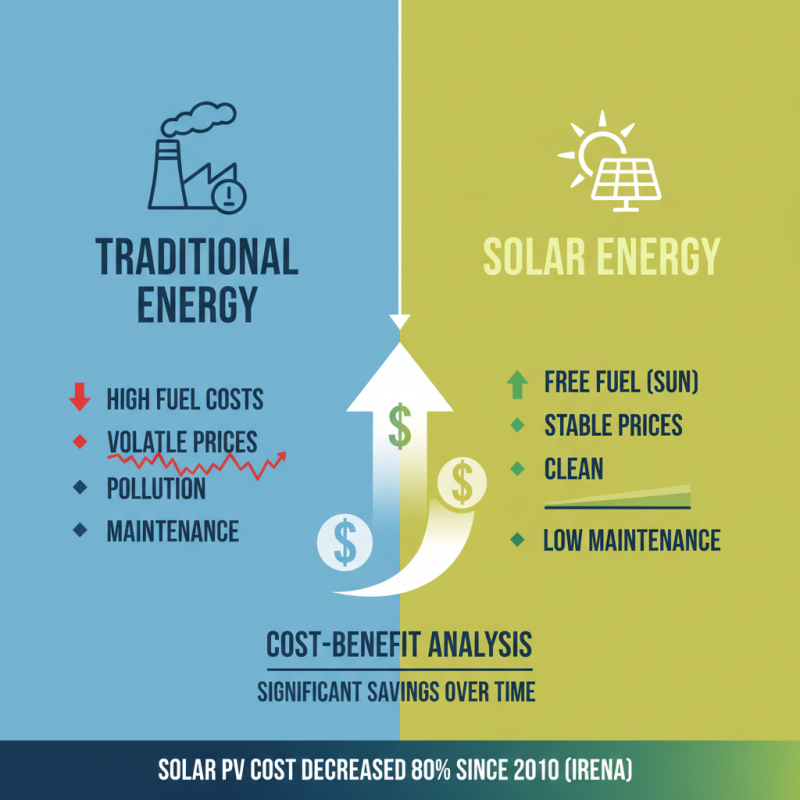
Investing in solar energy can seem daunting, especially when compared to traditional energy sources. However, studies show that solar installations can lead to significant savings over time. According to the International Renewable Energy Agency (IRENA), the cost of solar photovoltaic (PV) systems has dropped by over 80% since 2010. This price decline makes solar more accessible for global buyers.
A recent report from Lazard indicates that solar energy is now cheaper than coal and natural gas in many regions. For instance, the levelized cost of electricity (LCOE) for solar has averaged $36 per megawatt-hour (MWh), while natural gas stands at about $50/MWh. These figures suggest that solar energy is not just an environmentally-friendly option but also a financially viable one.
Tip: Consider installing solar panels as part of a broader energy strategy. Combine solar with energy storage systems for optimal efficiency. Ensure that you calculate the return on investment (ROI) based on local electricity rates.
While the initial costs of solar can pose a barrier, the long-term benefits often outweigh these concerns. A study from the U.S. Department of Energy revealed that solar installations increase property values by about $15,000 on average. This potential uplift should not be overlooked. However, it's crucial to assess local regulations and potential incentives that might affect your investment decisions.
Case Studies of Successful Solar Implementations Worldwide
Many regions worldwide are adopting solar energy solutions. Successful implementations showcase the potential of renewable energy. For example, a community in Africa transitioned from unreliable electricity to solar microgrids. This shift empowered local businesses. It also reduced dependence on fossil fuels. However, challenges remain in maintenance and grid integration.
In another case, a city in Asia installed rooftop solar panels on public buildings. This initiative lowered electricity costs. It also raised local awareness of sustainability. Yet, some residents faced initial installation hurdles. Such experiences highlight the importance of community engagement. Without proper education, solar adoption can slow down.
A project in South America focused on rural electrification using solar farms. The initiative provided electricity to remote areas. However, logistics and financing posed significant hurdles. These stories reflect the diverse paths to successful solar adoption. Each project offers valuable lessons for future implementations.
Best Energy Solutions Solar for Global Buyers to Consider
| Region |
Installed Capacity (MW) |
Annual Energy Production (GWh) |
Years in Operation |
Reduction in CO2 Emissions (tons/year) |
| North America |
1500 |
2000 |
5 |
1200 |
| Europe |
2500 |
3500 |
8 |
2000 |
| Asia |
5000 |
8000 |
10 |
3000 |
| Australia |
1200 |
1800 |
7 |
900 |
| Africa |
800 |
1200 |
4 |
600 |