China Best Portable EV Charger for Your Needs?
Choosing the right Portable EV Charger can be overwhelming. With numerous options available, knowing what suits your needs is crucial. As Dr. Emily Zhang, a leading expert in electric vehicle infrastructure, once stated, "A portable EV charger should blend efficiency with convenience." Her insight highlights the importance of understanding personal requirements.
Portable EV chargers must cater to diverse situations. Factors like charging speed, compatibility, and ease of use matter. A charger that works well for one driver may not fit another's lifestyle. As electric vehicle adoption rises, the demand for versatile options increases. Drivers often find themselves questioning what features truly matter for their specific situations.
Evaluating performance, portability, and reliability is essential. The market offers various models, but not all are trustworthy. Potential buyers should reflect on their unique needs and lifestyle. Some units may be highly rated but could fail to meet personal preferences. Exploring expert insights and user reviews can guide informed decisions while navigating this evolving landscape.
China's Growing EV Market and the Need for Portable Chargers
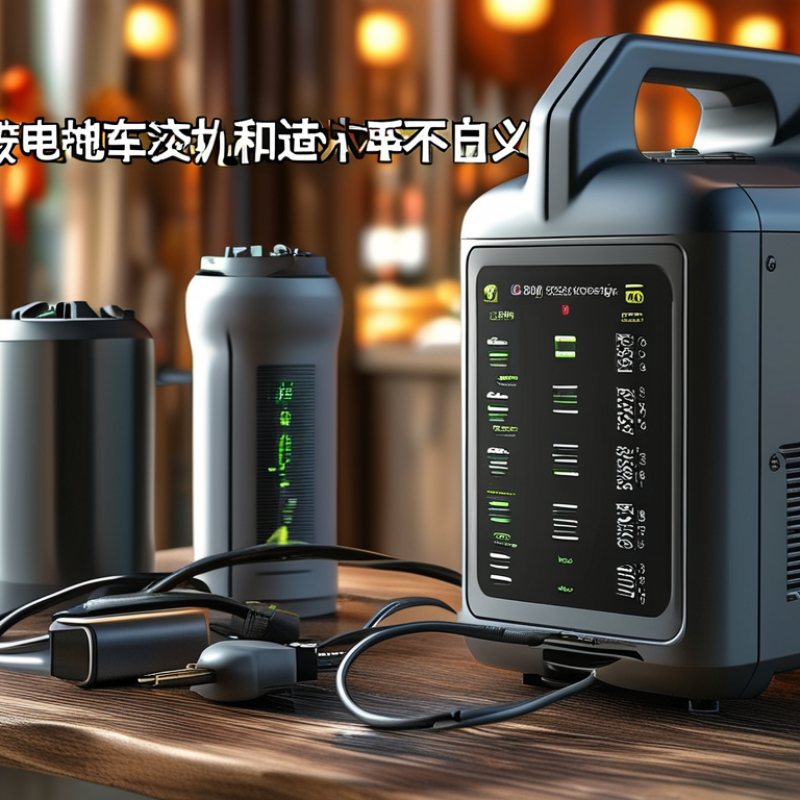
The rapid growth of China's electric vehicle (EV) market has created an increasing demand for portable chargers. More people are opting for EVs, and with this shift comes the challenge of charging infrastructure. Portable chargers offer flexibility, enabling users to recharge their vehicles in various locations. This is especially important in less urbanized areas where charging stations are not as prevalent.
When considering a portable EV charger, think about compatibility and charging speed. A suitable charger should work with different EV models and provide efficient charging. Evaluating the output power and portability features can also ensure it meets your needs.
Tips: Always check user reviews of any charger. They provide insights into durability and performance. It's wise to assess whether the device can operate in extreme weather conditions. Consider investing in a charger with safety features to protect your vehicle during charging.
Comparative Analysis of Portable EV Charger Features in China
When considering the best portable EV charger for your needs in China, it's crucial to evaluate the available features. Various models offer different charging speeds, portability options, and compatibility with diverse electric vehicle types. A well-rounded charger should provide at least 7 kW for faster charging, but many models fall short on this front. Some chargers can be quite bulky, making transport cumbersome, especially for city dwellers with limited storage.
Assessing durability and build quality is essential. Many chargers use lightweight materials, which can reduce portability but may compromise longevity. Fast charging might seem attractive, but overheating issues can occur in some designs. Safety features, such as overcurrent protection and short-circuit prevention, should not be overlooked. Customers often report inconsistent performance between different brands, pointing to a lack of standardization in manufacturing.
User feedback can be illuminating, especially when it reveals recurring issues. Some customers appreciate the compact size but question the reliability of certain units. Others focus on charging efficiency but express dissatisfaction with customer service. Balancing these insights is key to making an informed choice. Each feature should align with personal requirements and travel habits to ensure satisfaction.
Comparison of Portable EV Charger Features in China
Key Specifications to Look for in Portable EV Chargers
When choosing a portable EV charger, certain specifications are crucial. Charging speed is often a priority. A Level 2 charger can deliver 5 to 25 miles of range per hour. This is a significant improvement over standard Level 1 chargers, which typically offer just 3 to 5 miles. Thus, it is clear that selecting a charger with higher amperage, around 32A, enhances efficiency.
Portability is another essential aspect. Weight and size can affect user experience. Many consumers prefer units under 10 pounds. A compact charger can suit various situations. Additionally, weather resistance is key. Look for an IP rating of at least IP65. This ensures durability against dust and water.
Safety features should not be overlooked. Overcurrent protection and short-circuit prevention are vital. According to industry data, chargers lacking these features saw a rise in incidents, emphasizing their importance. Ensuring that the charger is certified by relevant authorities also increases reliability. This can give users peace of mind as they charge their vehicles regularly.
Industry-Standard Charging Speed: What You Need to Know
When considering a portable EV charger, understanding charging speed is crucial. Industry-standard charging speed can vary significantly. Generally, EV chargers are categorized into Level 1 and Level 2 options. Level 1 chargers take longer to charge but are convenient for home use. A typical Level 1 charger delivers about 1.4 kW of power. This is suitable for overnight charging.
Level 2 chargers, however, offer faster charging times, often providing around 7.2 kW or more. This means your vehicle can charge much quicker, often within a few hours. If you often travel or require rapid charging, a Level 2 option may be more beneficial. Despite their efficiency, Level 2 chargers can be more expensive, requiring additional installation.
Yet, not all charging stations are equal. Factors such as battery size, charger compatibility, and environmental conditions can influence charging times. Some users find that not every charger meets their expectations. This highlights the importance of researching your specific needs. Understanding these details ensures you choose the right portable charger for your EV.
Top Portable EV Charger Brands and Their Market Performance in China
When looking for the best portable EV chargers in China, it’s essential to understand the market dynamics. Several brands have emerged, each with unique features and capabilities. The growing demand for electric vehicles has led to innovations in portable charging technology. Consumers are now prioritizing factors like charging speed, portability, and safety.
Choose a charger that fits your lifestyle. Some chargers are lightweight and compact, ideal for road trips. Others offer rapid charging capabilities, which can be a game-changer. Researching performance data helps determine which models consistently deliver on their promises.
Tip: Check user reviews and ratings when comparing options. This can reveal real-world performance and potential issues.
Market performance varies across brands. Some have established a solid reputation, while others struggle to gain traction. Models that boast low failure rates tend to be favored by consumers. It’s crucial to reflect on the upfront cost versus long-term reliability.
Tip: Always look for chargers with safety certifications. Good products will prioritize safety features to protect both the vehicle and the user.