Best Solar Power Solutions for Global Buyers in China
In recent years, solar power solutions have transformed the energy landscape globally. As countries seek sustainable alternatives, China has emerged as a leader in this field. According to Dr. Michael Lee, a renowned expert in renewable energy, "China's innovation in solar technology is paving the way for a cleaner future." This statement reflects the significant advancements made in solar power solutions.
Solar power solutions offer numerous advantages. They reduce reliance on fossil fuels and lower greenhouse gas emissions. Additionally, they provide energy security for various sectors, including residential and commercial. In China, domestic manufacturers dominate the market, producing high-quality solar panels at competitive prices. However, some challenges persist. Quality control remains a concern for international buyers.
Many global buyers may face confusion navigating the Chinese market. They often prioritize cost over quality, which can lead to unsatisfactory results. Choosing the right supplier is crucial for successful solar power solutions. Buyers must research and engage with reputable manufacturers. Such diligence can ensure an optimal balance between cost and reliability. Emphasizing the importance of informed choices can guide buyers toward effective solar power solutions.
Overview of Solar Power Solutions Available in China
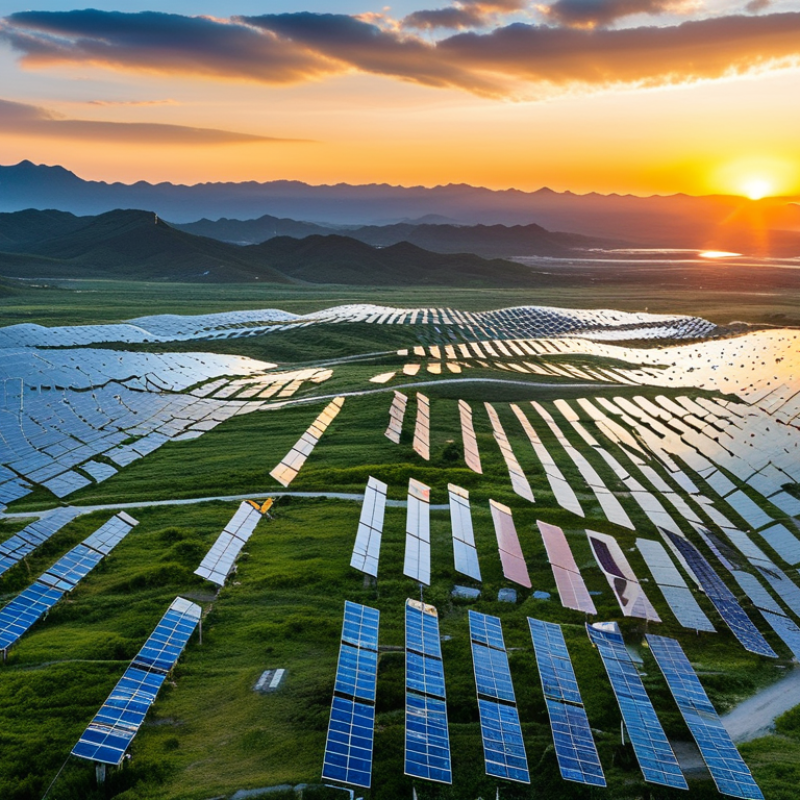
China is a hub for solar power innovations. With vast resources, buyers can find various solutions suited to their needs. Technologies range from photovoltaic panels to solar thermal systems. Each option has unique advantages. The growing accessibility of these solutions makes them appealing for global buyers.
Tips: Always assess your energy needs before purchasing. This ensures you select the right capacity. Failing to do so may lead to insufficient energy supply.
Additionally, cost is a significant factor. While initial investments may be high, consider long-term savings. Factors like installation quality can affect reliability. Make sure to research local regulations too. Compliance is essential for smooth operations.
While many solutions are available, not all are equal. Some products have better longevity than others. It's crucial to examine warranties and customer reviews. These insights can guide you toward making informed decisions.
Key Players in China's Solar Power Market
China's solar power market is rapidly evolving, attracting global buyers with its diverse solutions. Key players dominate this landscape, shaping trends and driving innovation. They offer a variety of products, including solar panels and energy storage systems. Each player brings unique expertise and technology, catering to the needs of international clients.
The competitive nature of China's solar market can be overwhelming. Buyers face challenges in selecting suitable suppliers. Quality assurance remains a critical concern. Not every player meets the high standards expected by global consumers. Some companies excel in efficiency, while others struggle with consistency. It's essential to conduct due diligence before making decisions.
Moreover, the market fluctuates with government policies and incentives. Changes can affect pricing and supply chains. Buyers must remain adaptable to navigate these dynamics. Partnerships with local firms can provide valuable insights and mitigate risks. Engaging with experienced industry professionals can help buyers make informed choices, fostering long-term success in the solar energy sector.
Types of Solar Technologies and Their Applications
Solar power has become a significant energy source globally, offering various technologies for different applications.
Photovoltaic (PV) systems dominate the market, converting sunlight directly into electricity. According to the International Energy Agency (IEA), global solar capacity reached 1,000 gigawatts in 2022, and this is projected to double by 2026. This rapid growth highlights the increasing reliance on solar technologies.
Concentrated solar power (CSP) is another key technology. CSP systems use mirrors to focus sunlight, generating heat that produces electricity. This technology is particularly effective in large-scale projects in arid regions. However, CSP systems have higher initial costs and require significant land use. The ongoing challenge lies in balancing efficiency and environmental impact.
Emerging technologies include solar roof tiles and flexible solar panels. These innovations cater to residential markets, offering aesthetic appeal and versatile applications. Yet, the production of advanced solar technologies can involve complex supply chains and resource constraints. This raises questions about sustainability and ongoing reliance on certain materials. The future of solar power will depend on resolving these issues as demand continues to soar.
Factors Influencing Purchasing Decisions for Global Buyers
When exploring solar power solutions in China, global buyers must evaluate multiple factors influencing their purchasing decisions. Price competitiveness is often a priority. Many suppliers offer diverse pricing options, reflecting different technologies and efficiencies. Prospective buyers should analyze these prices alongside the product's long-term benefits. Hidden costs may arise, like installation or maintenance. Awareness of these can prevent future regrets.
Quality assurance plays a vital role in decision-making. Buyers should assess product certifications and warranty offerings. A reliable warranty signifies manufacturer confidence. However, not all certifications hold equal weight globally. Researching regulations in the buyer's country can reveal potential discrepancies. This creates challenges for buyers who may not be familiar with local standards.
Another critical factor is customer support. The ability to communicate effectively with suppliers can affect a buyer's experience. Timely responses and technical assistance are essential, especially for first-time buyers. However, not all companies uphold consistent standards in support. This inconsistency could lead to confusion and frustration. Buyers need to weigh these elements carefully to make informed decisions.
Best Solar Power Solutions for Global Buyers in China
Logistics and Regulatory Considerations for Importing Solar Products
When considering solar power solutions for import into China, logistics and regulatory factors play a vital role. Importing solar products requires understanding specific regional regulations. Each province may have unique requirements.
Compliance with these regulations is essential for smooth transport and clearance.
Customs procedures can be intricate. Documentation is crucial. Importers must ensure that all necessary permits and certifications are in place. Delays can occur if documents are not properly prepared. Additionally, tariffs and duties can vary. Knowing these costs upfront is important for budgeting.
Shipping logistics also need careful planning. Choosing the right freight forwarder can make a significant difference. It is essential to understand shipping timelines. Delays could mean missed opportunities in a competitive market.
Communication with partners is key to overcoming potential pitfalls.
Recognizing these challenges allows importers to adapt and improve their strategies.