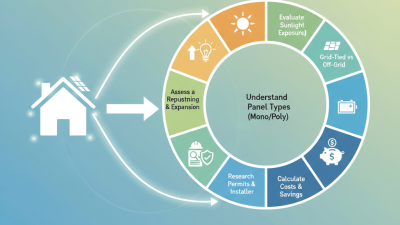
Top China Best Solar Power Solutions for Global Buyers?
China has emerged as a global leader in solar power solutions. With rapid advancements in technology and manufacturing capabilities, the country offers a diverse array of options for buyers. Many international companies look to China for reliable and affordable solar power solutions. These solutions cater to various needs, including residential, commercial, and industrial applications.
The competitive landscape in China ensures a wealth of choices. However, not all products are created equal. It is crucial for buyers to evaluate the credibility of manufacturers. Attention to quality and performance is essential. Engaging with trusted suppliers can lead to long-term satisfaction and success in solar energy projects.
While the solar market in China is promising, challenges exist. Buyers must navigate fluctuating regulations and quality standards. Making informed decisions can mitigate potential risks. It is essential to seek expert advice when selecting solar power solutions. Building partnerships with reputable companies can provide valuable insights and support.
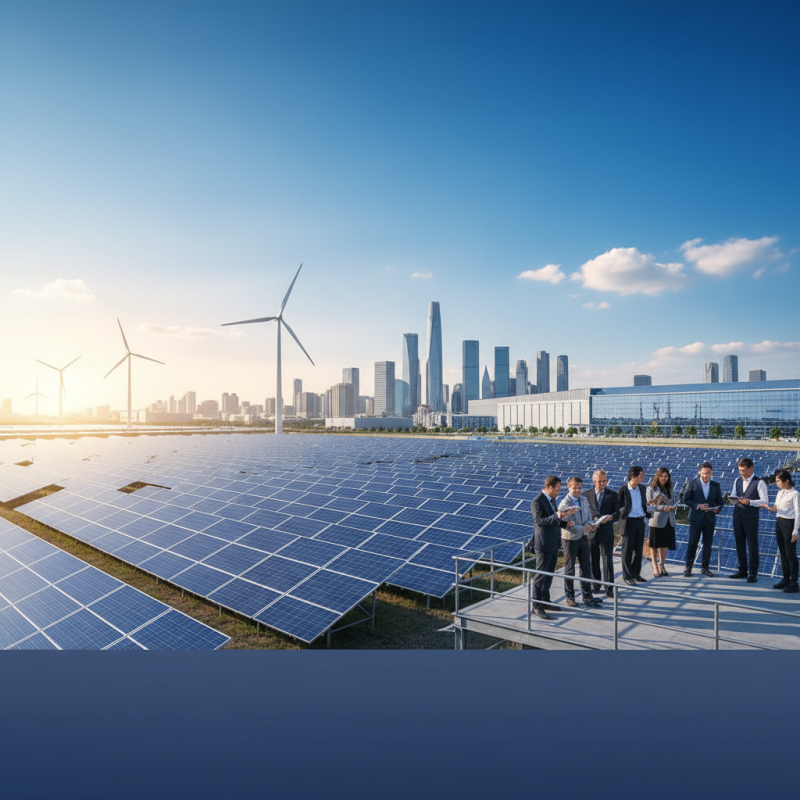
Top China Best Solar Power Solutions for Global Buyers
China has emerged as a leader in solar power solutions, providing innovative options for global buyers. Their technology focuses on efficiency and sustainability, showcasing a commitment to renewable energy. Many companies in China have invested in research and development, producing high-quality solar panels that cater to diverse needs.
Various solutions include residential, commercial, and large-scale solar installations. These options are tailored to fit different spaces and energy requirements. The market offers both monocrystalline and polycrystalline solar panels, each with unique benefits. These variations allow buyers to choose based on budget and efficiency.
However, not all solar products meet the same standards. Some manufacturers may compromise on quality for cost savings. Buyers must conduct thorough research to ensure reliability. Understanding local regulations and installation practices is crucial. This knowledge can lead to better decisions and long-term satisfaction with solar investments.
Emerging Trends in China's Solar Power Market and Technologies
China's solar power market is evolving rapidly. Recent technological advancements are driving efficiency and cost-effectiveness. Solar panel efficiency has increased significantly in the last few years. Improved materials and designs allow for more energy generation. As a result, Chinese manufacturers can offer more competitive products for global buyers.
Emerging trends include bifacial solar panels. These panels can capture sunlight on both sides. This innovation enhances energy absorption and boosts overall output. Moreover, energy storage solutions are gaining traction. As solar energy generation fluctuates, effective storage systems ensure a steady supply. Additionally, government policies encourage sustainable energy practices. These policies reflect a commitment to reducing carbon footprints.
Buyers must consider these developments carefully. Understanding regional preferences and technological standards is key. However, challenges remain. Not all solar solutions function equally across different environments. Market dynamics can also change rapidly. Staying informed is essential for making wise purchasing decisions. Engaging with local experts can provide valuable insights.
Key Players in China's Solar Energy Sector and Their Innovations
China's solar energy sector is a global powerhouse, accounting for more than 60% of the world's solar panel production in 2022. This dominance is driven by several key players who consistently innovate and push the industry forward. The rapid decline in solar panel prices has been notable, with costs dropping nearly 89% since 2010, according to a recent report from the International Renewable Energy Agency (IRENA). This affordability has made solar energy accessible to various markets worldwide.
Innovations from Chinese companies demonstrate a commitment to improving efficiency and sustainability. For instance, advancements in bifacial solar panels allow for increased energy production by capturing sunlight on both sides. Companies are also exploring the use of advanced materials like perovskite, which promises higher efficiencies at lower costs. However, challenges remain. Quality control and supply chain sustainability are areas that need continuous improvement and scrutiny. The reliance on certain mineral resources raises questions about long-term viability and ecological impact, prompting a need for ethical sourcing practices.
Despite these hurdles, the strength of China's solar energy sector remains evident. Reports suggest that the country installed over 80 GW of new solar capacity in 2022 alone, accelerating its transition toward renewable energy. Nevertheless, ongoing monitoring of technological developments and industry regulations is crucial to ensure that progress aligns with global environmental goals.
Comparative Analysis of Solar Panel Efficiency and Cost in China
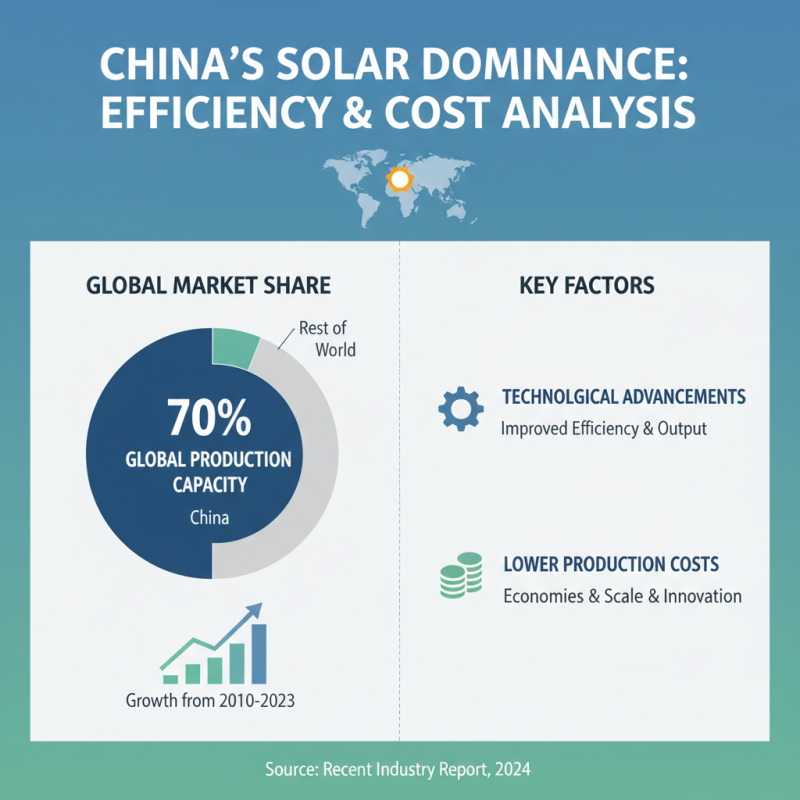
China dominates the global solar market, producing a significant percentage of solar panels. A recent report shows that China accounts for nearly 70% of global solar panel production capacity. This growth stems from advancements in technology and lowering production costs.
When comparing solar panel efficiency, monocrystalline panels stand out with an average efficiency of around 20-22%. Meanwhile, polycrystalline panels offer lower efficiency, typically ranging from 15-17%. However, polycrystalline panels come at a significantly lower cost. The average price of monocrystalline panels is about $0.30 per watt, while polycrystalline panels average $0.25 per watt. This price difference influences the decision-making of global buyers.
Despite these advancements, challenges remain. The efficiency gap often leads to buyer confusion. Some consumers may prioritize cost over efficiency. This can result in suboptimal energy production. Such decisions may necessitate a longer return on investment. Buyers face the dilemma of choosing lower-cost options that may have higher degradation rates over time. Understanding these trade-offs is crucial for making informed choices.
Regulatory Framework and Incentives for Solar Power in China
China's regulatory framework for solar power has become a model for the world. Government initiatives focus on expanding renewable energy sources. The country aims to reach peak carbon emissions by 2030. In 2022, China introduced several new incentives to boost solar energy adoption. These incentives include financial subsidies and tax breaks.
One key aspect of China's framework is the commitment to grid parity. This means solar energy costs will match conventional energy sources. Encouraging solar panel production is part of this vision. Local governments often provide additional support for solar projects. However, challenges remain. Local policies may lack consistency, causing confusion among investors.
Incentives have spurred significant growth. Still, many projects face bureaucratic hurdles. Delays in approvals can slow down development. Buyers must navigate these complexities carefully. A clear understanding of the local regulatory environment can help optimize opportunities. The balance between growth and regulatory challenges remains crucial for solar power's future in China.
Conclusion
China has emerged as a leader in the global solar energy market, offering a range of solar power solutions that cater to diverse buyer needs. The article explores the latest trends and innovations within China's solar power sector, highlighting key players who are pioneering advancements in technology and efficiency. A comparative analysis reveals insights into solar panel performance and cost dynamics in China, showcasing the competitive landscape.
Furthermore, the regulatory framework and various incentives established by the Chinese government facilitate the growth of solar energy adoption, making it an attractive option for both domestic and international investors. Emphasizing sustainability, the article also discusses the environmental impact of China's solar industry and its commitment to green practices, illustrating the country's role in shaping a sustainable energy future globally.