China Vibratory Plate Bowl Feeder Buying Guide for Global Traders
The global market for China Vibratory Plate Bowl Feeders is evolving rapidly. According to a recent industry report, the demand for automated feeding systems in manufacturing has grown by 25% in the last three years. This surge reflects the increasing need for efficiency and precision in production lines. The vibratory plate bowl feeder stands out due to its capability to handle various materials and streamline assembly processes.
Expert insights from Dr. Li Wei, a leading specialist in automation technology, highlight the significance of these feeders. He states, “The adaptability of China Vibratory Plate Bowl Feeders makes them indispensable for modern manufacturing.” This adaptability is not just a trend; it’s a necessity for companies aiming to stay competitive.
As global traders consider investing in these systems, it’s crucial to navigate the complexities of the market. Understanding specifications, sourcing quality products, and ensuring compliance with industry standards can be challenging. Traders must reflect on their needs and the changing dynamics of the industry to make informed decisions. The right China Vibratory Plate Bowl Feeder can dramatically enhance production efficiency, but careful consideration is vital.
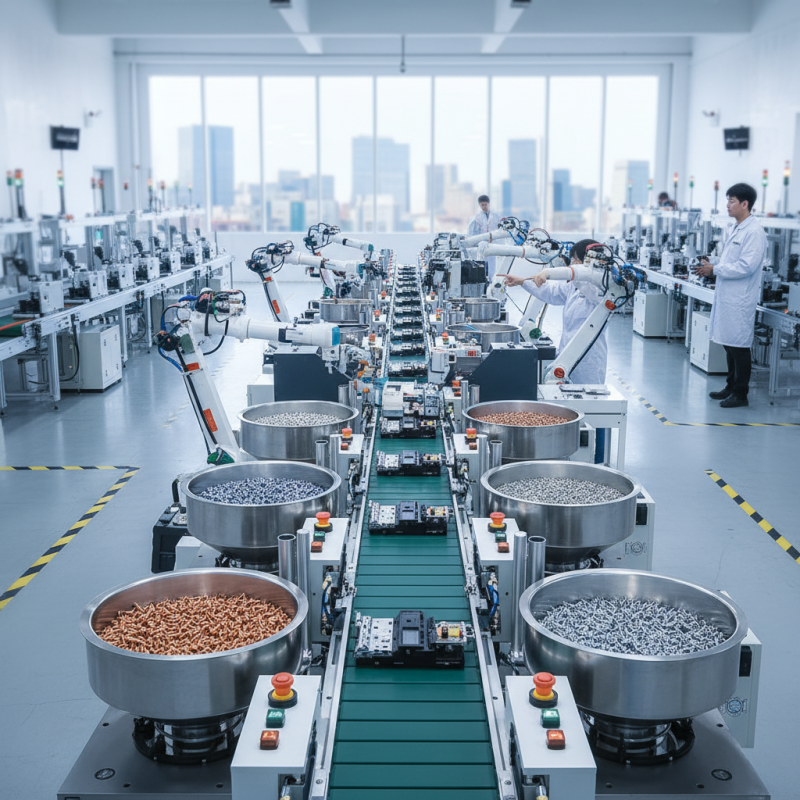
Understanding Vibratory Plate Bowl Feeders: An Overview
Vibratory plate bowl feeders play a crucial role in automated assembly lines. They are used in various industries, including pharmaceuticals, automotive, and electronics. According to a recent market report, the global vibratory bowl feeder market is expected to grow at a CAGR of 5.2% from 2022 to 2027. This growth reflects the rising demand for automation in manufacturing processes.
Understanding the components of vibratory plate bowl feeders is essential. These feeders consist of a bowl, base, and drive unit. The bowl orbits in a circular motion, allowing parts to move upwards via vibration. A study indicated that properly tuned vibratory systems can yield efficiency rates of up to 95%. Yet, not all systems are perfectly designed. Misalignments and container shapes can hinder performance.
Moreover, the adaptability of these feeders is notable. They can handle various shapes, sizes, and materials. However, the initial investment can be significant, leading some traders to reconsider their choices. Examining the long-term benefits versus the upfront costs is vital. Regular maintenance and setup adjustments are often necessary for optimal performance, highlighting potential areas for improvement and reflection in operational strategies.
Key Features to Consider in Vibratory Feeders
When selecting a vibratory plate bowl feeder, several key features should be prioritized. The feed rate is crucial. In a study by the International Society of Automation, efficient feeders achieve rates up to 1000 parts per minute. This performance can significantly impact overall production speed.
Another important aspect is the material compatibility. Different materials require different designs. For example, metal parts may need a robust design, while plastic components might work well with lighter options. This balance ensures reliability in various applications.
Tips: Focus on your specific application. Assess the types of materials you will use. Selecting a feeder tailored to your needs avoids operational inefficiencies. Consider the feeder's size and footprint in your workspace. This consideration prevents unexpected logistical issues.
Lastly, pay attention to the maintenance requirements. Equipment that is easy to maintain increases productivity. A report from the Machinery Lubrication Institute found that well-maintained feeders outlast poorly maintained ones by 40%. Regular checks and updates can prevent costly downtime.
Material and Construction Options for Bowl Feeders
When considering a vibratory plate bowl feeder, the choice of material and construction is crucial. Bowl feeders come in various materials, such as stainless steel, plastic, and aluminum. Stainless steel stands out for its durability and corrosion resistance. It is perfect for industries that require hygiene, like food processing. Plastic, on the other hand, is lightweight and often used for handling smaller parts.
Construction quality also varies. A well-constructed bowl feeder ensures consistent material flow and reduces maintenance costs. Pay attention to factors such as vibratory motor strength and bowl design. The right design can accommodate different sizes and shapes of parts. However, some feeders may struggle with certain materials, leading to jams or inconsistent feeding. This common issue often stems from improper material selection.
Moreover, assembly techniques can impact performance. Some feeders use the welding method, while others rely on bolted designs. Each has its pros and cons. Bolted designs allow easy replacement of parts but may weaken over time. Regular inspections help identify any issues early. Traders must weigh these options, balancing cost, functionality, and longevity.
Choosing the Right Size and Capacity for Your Application
When selecting a vibratory plate bowl feeder, size and capacity play crucial roles. Understanding your specific application is essential. Each feeder size suits different types of materials and production rates. Larger bowls can handle more substantial items, while smaller bowls work well for delicate parts.
Tips: Identify the material type before choosing a feeder. Consider weight and dimensions. This ensures the feeder operates within its limits.
Capacity must align with your production goals. A mismatch may lead to bottlenecks or inefficiencies. For instance, a feeder with too little capacity can slow down your operation. Conversely, oversized feeders might waste space and energy.
Tips: Analyze your workflow patterns. Adjust the feeder type to meet peak demands. Regularly reassess your needs to avoid underperformance or overstrain on the equipment. Always stay updated on advancements in feeder technology for better choices.
Tips for Sourcing from Chinese Manufacturers and Suppliers
When sourcing vibratory plate bowl feeders from Chinese manufacturers, understanding the market and quality standards is crucial. According to a recent industry report, the global market for vibratory feeders is expected to grow by 5.8% annually from 2023 to 2028. This indicates a strong demand, making it essential for traders to choose reliable suppliers. Research shows that approximately 40% of complaints arise from poor manufacturing quality. Finding a supplier with a solid track record can vastly reduce these issues.
Communication plays a vital role in your sourcing process. Many Chinese suppliers may not have excellent English skills, resulting in miscommunication. It's important to clarify specifications and expectations upfront. Consider asking for samples and reviewing certifications. Over 30% of respondents in a survey indicated that not receiving product samples led to dissatisfaction. It’s also advisable to look for companies with ISO certifications, as these often reflect adherence to international quality standards.
Lastly, cultivating a relationship with your supplier can offer long-term benefits. Many successful traders emphasize the importance of trust. Yet, be cautious; always verify credentials and past performance. Not all suppliers are created equal, and even minor oversights can lead to significant losses. Understanding these nuances will greatly enhance your sourcing experience.