Chocolate Expiration How to Tell If Your Chocolate Is Bad?
When it comes to Chocolate expiration, understanding how to determine if chocolate has gone bad is vital. Chocolate is a beloved treat. It brings joy to many, but it does spoil over time. The good news is that chocolate often lasts longer than people expect. However, it is not immune to changes in flavor and texture.
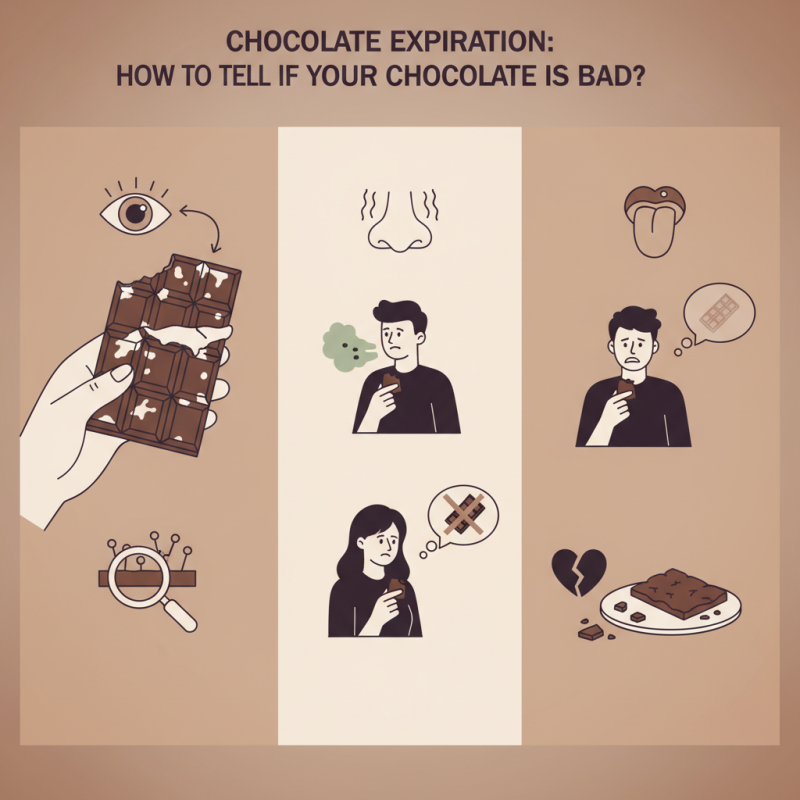
Visually inspecting your chocolate can reveal a lot. Look for white streaks or spots, which indicate blooming. This occurs when fat or sugar rises to the surface. While it is not harmful, the taste may decline. The smell also hints at freshness. A rancid odor signals that the chocolate has passed its prime.
Taste plays a crucial role as well. If the chocolate lacks its rich flavor, it might be time to discard it. Trust your senses. Some chocolate might still be safe to eat but may not taste as good. Reflecting on chocolate expiration can help you appreciate this sweet treat more fully. Recognizing the signs of spoilage can enhance your chocolate experience.
Understanding Chocolate Expiration Dates: An Overview
When it comes to chocolate, expiration dates can often be confusing. Most chocolate products have a best-by date. This doesn’t mean they go bad after this date. According to a report by the National Confectioners Association, chocolate can remain safe and still taste good for several months past this date, especially dark chocolate.
Chocolate may look fine, but that doesn’t always mean it is good to eat. Signs of spoilage can include a white or grayish film. This is typically a result of fat bloom or sugar bloom, not harmful, but it can affect texture. The texture becomes chalky as cocoa butter crystals form. Even if it looks fine, taste is the ultimate test.
Tips:
- Store your chocolate in a cool, dark place.
- Keep it away from strong odors and humidity.
- If your chocolate smells off, it may be time to toss it.
- Always check for changes in color or smell.
Remember, while chocolate can last long, its quality decreases over time. Use your senses to evaluate whether your chocolate is still enjoyable.
Signs of Spoilage: How to Identify Bad Chocolate
When it comes to chocolate, knowing how to identify spoilage is crucial. Chocolate can last a while, but it does not last forever. According to the Chocolate Manufacturers Association, most chocolate remains safe to eat for up to a year. However, quality diminishes over time. Look for signs of spoilage before indulging.
One common sign is a change in texture. Chocolate might develop a white film on its surface, known as bloom. This occurs due to temperature fluctuations. It’s not harmful, but it affects taste. A hard, crumbly texture can also indicate age. Additionally, check for off odors. Fresh chocolate has a rich, sweet scent. If it smells stale or has an unusual aroma, that’s a red flag.
Pay attention to taste as well. A loss of flavor is typical in expired chocolate. It might also develop an unpleasant aftertaste. A recent study reported that chocolate stored improperly can lose up to 50% of its flavor over time. While eating expired chocolate might not make you sick, it can be a disappointing experience. Being mindful of these signs will help ensure your chocolate remains enjoyable.
Storage Tips: Keeping Your Chocolate Fresh Longer
Chocolate can last longer with proper storage. Heat, moisture, and light are chocolate's enemies. A cool, dry place is ideal. Aim for a temperature between 65°F and 70°F. A pantry is often perfect.
Consider using an airtight container. This keeps out moisture and odors. If you have an opened package, seal it well. Chocolate can absorb flavors from other foods. That's not always pleasant. Keep your chocolate away from strong-smelling items.
Check the environment. Humidity can cause chocolate to bloom. This makes it look dull or white. It's safe to eat, but not great for presentation. If you’re unsure about the quality, use your senses. Trust your nose and eyes. Bad chocolate may smell off or have an unusual texture. If in doubt, don’t hesitate to discard it. Chocolate should bring joy, not worry.
Taste and Texture Changes: What to Look For
When you bite into chocolate, the taste and texture are everything. But what happens when that beloved treat goes bad? Changes in flavor and feel are key indicators. Fresh chocolate should be smooth and creamy. If it becomes grainy or develops an off-taste, it may have turned. A study shows that chocolate can lose its freshness within a year if stored improperly.
Tip: Store chocolate in a cool, dry place. Avoid areas with fluctuating temperatures. This extends its shelf life significantly. Pay attention to the signs. Chocolate shouldn’t smell like stale fats or have a waxy texture. If it does, toss it out.
Visual inspection is also crucial. Look for white film, known as bloom, which can occur when chocolate gets too warm. While it’s usually harmless, it changes the texture. Unfortunately, not all changes are easy to notice. Sometimes, chocolate looks fine but tastes flat or bitter, indicating it might have reached its expiration.
Tip: Always check packaging dates, but remember that even within shelf dates, quality can decline. Trust your senses. A bad batch might not only ruin dessert but also your mood. Enjoy chocolate when it’s at its best!
Safety Guidelines: When to Discard Old Chocolate
Chocolate can bring joy, but it can also spoil. Knowing when to discard old chocolate is crucial for safety. Check for signs of deterioration. Look for surface changes like white spots or fading. These could indicate the chocolate has gone bad.
If your chocolate smells off or has a strange taste, it’s time to toss it. The texture can also be a clue. Chocolate should be smooth; a grainy feel isn’t ideal. Keep an eye on the expiration date, but remember that chocolate can still be good some time after that. However, trust your senses: sight, smell, and taste matter.
Tips: Store chocolate in a cool, dry place. Avoid the fridge, as moisture can ruin it. Label opened packages with the date. This can help you track freshness. Always err on the side of caution. If you’re unsure, it’s better to discard it than risk getting sick. Chocolate might be delicious, but old chocolate isn’t worth the gamble.
Chocolate Expiration: How to Tell If Your Chocolate Is Bad?
| Chocolate Type | Shelf Life (Unopened) | Signs of Spoilage | Recommended Action |
| Milk Chocolate | 1 year | White spots (bloom), rancid smell, off-taste | Discard if signs are present |
| Dark Chocolate | 2 years | White spots (bloom), dry texture | Still safe; can consume if no off odor |
| White Chocolate | 1 year | Grainy texture, sour smell | Discard if signs are present |
| Chocolate Chips | 18 months | Loss of flavor, discoloration | Can consume if stored properly |