Why Choose a Home Solar Power System for Your Energy Needs?
The increasing demand for clean energy solutions has led many homeowners to explore the benefits of a home solar power system. According to the Solar Energy Industries Association, solar installations grew by 42% in 2020 alone. This rise indicates a significant shift towards sustainable energy sources. As electricity prices continue to soar, more families are seeking ways to lower energy bills, making solar power an attractive option.
A home solar power system offers numerous advantages. It reduces reliance on traditional energy sources, cutting carbon footprints and promoting environmental sustainability. Data from the National Renewable Energy Laboratory shows that homes with solar power systems can save between $10,000 to $30,000 over 20 years. However, the upfront costs can be a barrier for some homeowners. Financing options and incentives are available, but navigating these can be complex.
Investing in a home solar power system may not be the perfect solution for everyone. Some areas receive less sunlight, affecting efficiency. Additionally, installation requires careful planning and consideration of local regulations. Homeowners should weigh these factors against the growing need for energy independence and sustainability. The decision to go solar is significant and should reflect personal values and circumstances.

Benefits of Switching to a Home Solar Power System
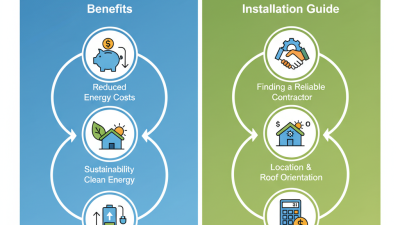
Switching to a home solar power system offers numerous benefits. It can significantly reduce electricity bills. According to the U.S. Department of Energy, homeowners can save thousands over the system's lifespan. This is crucial as electricity costs continue to rise. In many areas, installing solar can lead to tax credits or rebates, adding further financial incentives.
Beyond financial reasons, solar energy supports environmental sustainability. The National Renewable Energy Laboratory reports that solar reduces reliance on fossil fuels. It helps cut greenhouse gas emissions significantly. Investing in a solar system means contributing to a healthier planet. However, the initial installation cost can be a barrier for many. Understanding local incentives can make this transition more feasible.
Tips: Research local solar providers and compare quotes. Make sure to check energy needs before installation. Consider financing options such as loans or leases. Calculating long-term savings could offer clarity. Solar is not just an investment in your home; it shapes the community's future too. Evaluating the overall cost versus benefits will lead to a more informed decision.
Understanding the Environmental Impact of Solar Energy
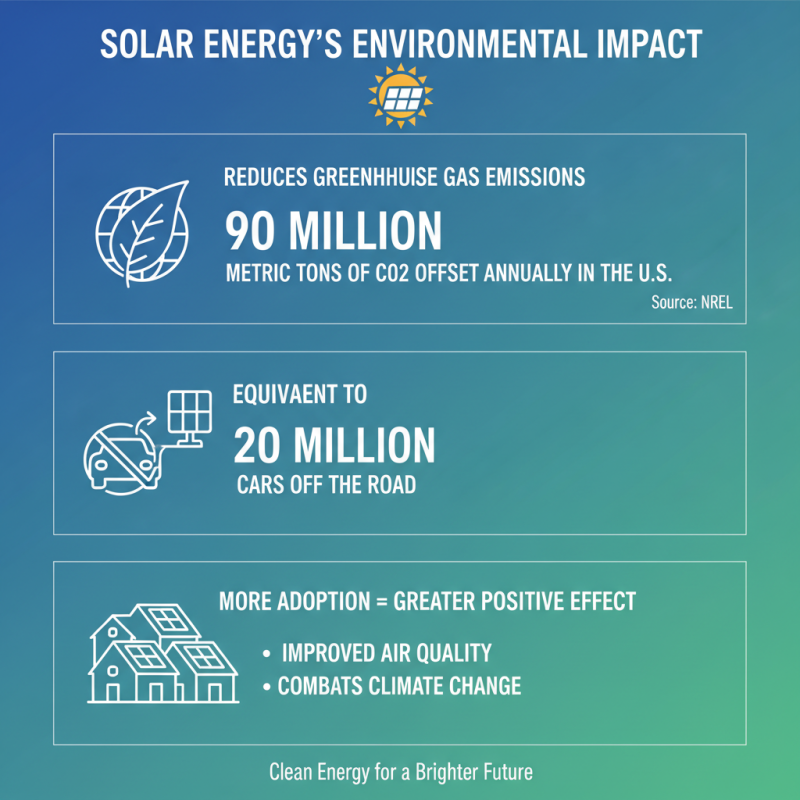
Solar energy has a significant impact on the environment. The use of solar power systems reduces greenhouse gas emissions. According to the National Renewable Energy Laboratory, solar power helps offset around 90 million metric tons of CO2 each year in the U.S. alone. This is equivalent to removing almost 20 million cars from the roads. The more homes that adopt solar, the greater this positive effect on air quality and climate change.
However, not everything about solar energy is perfect. The production of solar panels involves chemical processes that can be harmful. Manufacturing can generate harmful waste and emissions. Researchers report that about 2-10% of materials used in solar panels can be toxic if not handled properly. The recycling process for these panels remains an area needing improvement. Without proper frameworks, end-of-life panels might contribute to electronic waste.
Adopting solar energy is a step toward sustainability, but challenges remain. The balance between production impacts and environmental benefits needs careful consideration. More advancements in technology and recycling methods are essential. Each household plays a part in this transition, but awareness is vital. Responsible choices matter.
Cost Savings Associated with Home Solar Power Installation
Installing a home solar power system can lead to significant cost savings. Many homeowners report lower monthly energy bills after switching to solar. The initial investment may seem high, but the long-term savings often outweigh this cost. Tax incentives and rebates can reduce the upfront expenses, making solar more affordable.
Over time, the savings on electricity can be substantial. For instance, a typical household may save hundreds to thousands of dollars annually. However, the savings depend on various factors, such as location, energy usage, and the size of the system. Some may find their savings disappointing if their expectations are unrealistic. It’s crucial to conduct an energy audit before installation.
Routine maintenance is necessary for optimal performance, which can incur costs. It’s easy to overlook these factors when considering solar. Some homeowners expect immediate results without considering potential issues like shading from trees or roof orientation. To truly understand the value, analysis and planning are essential. Making informed decisions about your energy needs can lead to real savings.
Exploring Government Incentives for Solar Energy Adoption
Exploring government incentives for solar energy adoption can make a significant difference. Many countries offer tax credits for installing solar panels. These credits can lower the initial costs substantially. Some regions even provide rebates that further reduce expenses. Homeowners can take advantage of these opportunities to make solar more affordable.
However, navigating these incentives can be tricky. Eligibility requirements often vary by location. Paperwork may feel overwhelming for some people. It’s important to stay informed about changes in legislation. Missing out on incentives can lead to higher costs. The potential savings can be substantial, but it demands careful planning.
Community programs may also offer benefits. Some local utilities provide financing options or discounts for solar installations. Engaging with local organizations can lead to better deals. But, it’s essential to conduct thorough research. Not all offers are as beneficial as they appear. Understanding the fine print is vital for maximizing your investment.
How to Choose the Right Solar Power System for Your Home
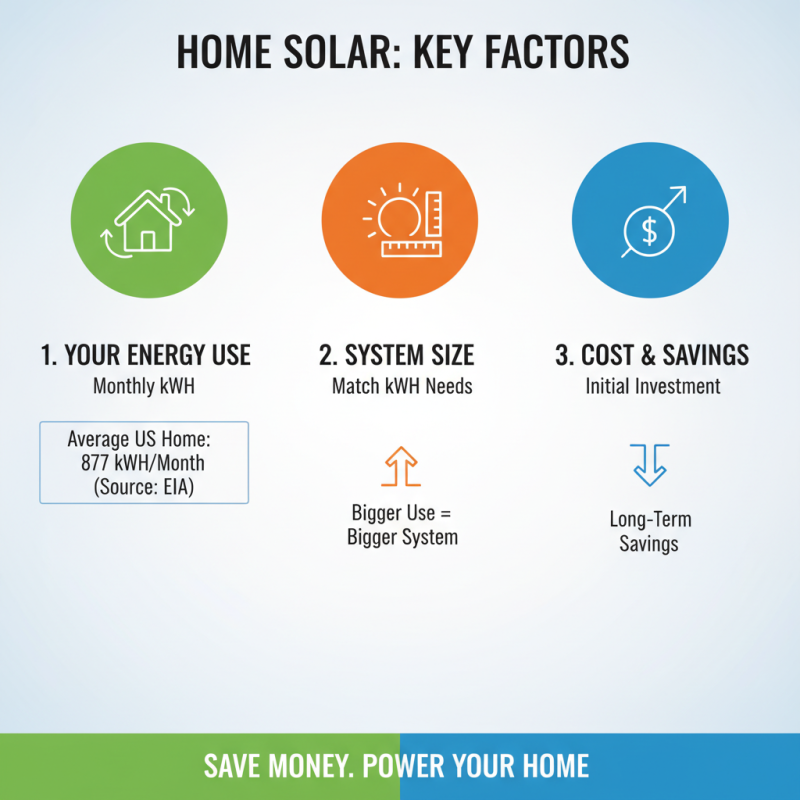
When selecting a solar power system for your home, consider several key factors. Start with your energy consumption. Understanding your monthly energy usage is critical. According to the U.S. Energy Information Administration, the average American home uses about 877 kWh per month. This number helps determine the system size you need.
Next, assess your roof space. Not all homes have ideal configurations for solar panels. Obstructions like chimneys or trees can reduce efficiency. A research report from the National Renewable Energy Laboratory suggests that homes with south-facing roofs can receive up to 30% more sunlight. However, urban areas may create additional obstacles. Consider these environmental challenges when planning your installation.
Look into financing options carefully. Solar systems are investments that may require upfront costs. Data from the Solar Energy Industries Association shows that solar panel prices dropped by 82% from 2010 to 2020. This trend continues, but unexpected expenses can arise. Installation costs or maintenance fees must be factored into your budget. Pay attention to local incentives and rebates. Each state has different offerings, which can alleviate financial pressure.