How to Choose Aluminum Profile for Pergola Design?
Choosing the right aluminum profile for pergola design is crucial in creating a stunning outdoor space. According to industry expert Mark Johnson, "The right aluminum profile defines the integrity and beauty of a pergola." Aluminum profiles offer both durability and a modern aesthetic. They resist corrosion and provide a lightweight solution for structure support.
However, selecting the best option requires careful consideration. Not all profiles are created equal. Different designs, finishes, and thicknesses can drastically affect your project’s outcome. Think about the style you want and how it will complement your home.
Be mindful of potential limitations as well. A poorly chosen profile may not withstand environmental stress or match your vision. Researching various options ensures you find an aluminum profile for pergola that meets both your aesthetic needs and structural requirements. Take the time to reflect on your choices, as the perfect pergola can enhance your outdoor experience significantly.
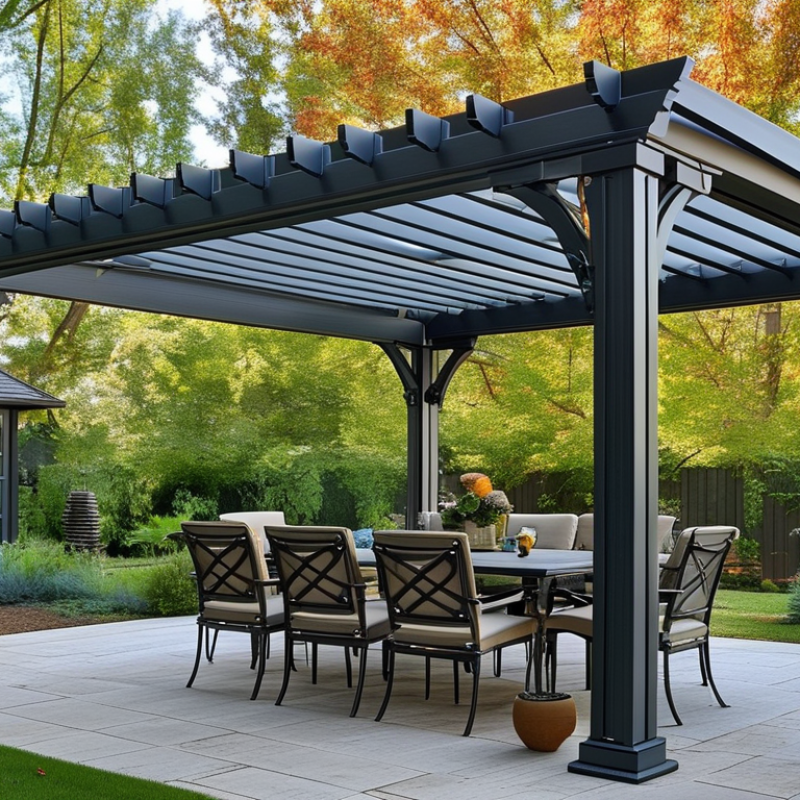
Understanding the Importance of Aluminum Profiles in Pergola Design
Choosing the right aluminum profile for your pergola is crucial. Aluminum profiles play a vital role in defining the structure and aesthetics of the design. According to industry reports, about 70% of architects prefer aluminum for outdoor structures due to its durability and low maintenance. This material can withstand harsh weather conditions, outperforming wood and steel in terms of longevity.
When selecting aluminum profiles, consider the thickness and shape. Thicker profiles tend to be stronger but may increase cost. A study from the American Institute of Architects reveals that lightweight profiles can resist corrosion effectively. However, some designs may not fully utilize their durability, leading to potential failure in structural integrity.
Furthermore, certain finishes enhance the visual appeal and protect the aluminum. Anodizing is a popular choice, providing a protective layer that can last for decades. Yet, some finishes may fade over time, requiring periodic maintenance. Hence, weighing the aesthetic choices against the functional performance is vital for making a sound decision in your pergola design.
Key Properties of Aluminum for Outdoor Structures and Durability
When selecting aluminum profiles for pergola design, understanding the key properties of aluminum is crucial. Aluminum is lightweight yet incredibly strong. According to industry studies, its strength-to-weight ratio is higher than that of steel, making it a preferred choice for outdoor structures. This unique property allows for intricate designs without compromising durability.
Aluminum's resistance to corrosion enhances its longevity. Reports suggest that aluminum structures can last over 30 years in harsh weather conditions. This is significant for outdoor applications, where exposure to rain and UV rays can weaken alternative materials. However, proper treatment and maintenance are essential. Some aluminum can still corrode if not coated adequately, which could lead to unexpected repairs.
Another aspect to consider is thermal expansion. Aluminum expands and contracts with temperature changes. While this is manageable in design, it is often overlooked. Builders should account for these natural movements to avoid structural issues. Inadequate allowances can lead to warping or even joint failures over time. Addressing these considerations ensures that the pergola remains functional and visually appealing for years to come.
Evaluating Strength-to-Weight Ratios in Aluminum Profiles for Pergolas
When choosing aluminum profiles for pergola designs, evaluating strength-to-weight ratios is crucial. Aluminum is known for its lightweight nature. But how strong is it for structural purposes? The strength-to-weight ratio helps determine if an aluminum profile can withstand environmental stressors. For instance, areas with heavy winds need stronger profiles to avoid damage and ensure safety.
Different profiles, such as rectangular or square ones, have distinct strength characteristics. A square profile often offers better resistance due to uniform distribution of stress. However, you may notice that some designs limit natural airflow. This trade-off between strength and usability can be frustrating. It’s vital to analyze how the profile’s shape influences both structural integrity and aesthetic appeal.
Additionally, consider the thickness of the aluminum. Thicker profiles may enhance durability but also add weight. This may complicate installation. What works for one design may not suit another. Experimenting with various profiles can yield surprising insights. Through testing and reflection, you can find the ideal balance of strength and functionality in your pergola.
Selecting the Right Finish: Anodized vs. Powder Coated Aluminum
When selecting aluminum profiles for pergola design, the finish matters. Anodized and powder-coated aluminum are two popular choices, each with unique characteristics. Anodizing involves an electrochemical process that enhances the aluminum’s natural oxide layer. This creates a protective coating that is durable and resistant to corrosion. In contrast, powder coating applies a dry powder that is cured under heat, forming a thicker protective layer. Both finishes are viable options, but their performances can vary based on specific applications and environments.
According to industry reports, anodized finishes provide better UV resistance. This feature is crucial for outdoor structures exposed to sunlight. In fact, studies indicate that anodized aluminum can retain its color and surface integrity for over 30 years under UV exposure. However, powder-coated finishes may provide a broader range of colors and textures, offering more design flexibility. They can chip more easily, leading to maintenance challenges. In marine environments, anodized aluminum tends to outperform powder coatings, often showing better resilience against saltwater corrosion.
Choosing between these two finishes requires serious consideration of the intended use and location. For instance, while a beautiful powder coat may enhance aesthetic appeal, it might not withstand harsh climates as well as anodized aluminum. Also, it’s essential to weigh the longevity and lifecycle costs. Some buyers may overlook the long-term implications of these choices, focusing only on immediate visual appeal. Striking a balance between durability, aesthetics, and maintenance needs can be tricky but crucial for the success of your pergola project.
How to Choose Aluminum Profile for Pergola Design?
| Profile Type | Finish | Durability | Cost | Application |
| 6063 Aluminum | Anodized | High | Moderate | Outdoor Structures |
| 6061 Aluminum | Powder Coated | Very High | Higher | Heavy Duty Applications |
| Aluminum Alloy 5005 | Anodized | Moderate | Low | Decorative Uses |
| Aluminum Alloy 3003 | Powder Coated | Low | Very Low | Lightweight Structures |
Cost-Benefit Analysis of Aluminum Profiles Compared to Other Materials
When considering materials for pergola design, aluminum profiles emerge as a strong choice. Their lightweight nature makes installation easier, which is a significant advantage. However, it’s essential to weigh the cost against other materials, such as wood or steel. While aluminum might have a higher initial investment, its longevity and low maintenance can justify the expense over time.
Analyzing the cost-benefit ratio reveals some interesting aspects. Although wood may seem cheaper upfront, it requires regular maintenance and is prone to decay. On the other hand, steel is stronger but often rusts without proper treatment. Aluminum offers durability without constant upkeep. This quality creates peace of mind for homeowners. Choosing aluminum profiles could mean lower costs in the long run, even if the upfront price is a hurdle.
Yet, not everything is perfect. Some people find the aesthetics of aluminum less appealing compared to natural wood. The visual warmth that wood provides cannot be easily replicated. This leads to a crucial reflection: Is the durability worth sacrificing the warmth? It’s a balance that every homeowner should consider carefully. Ultimately, making an informed decision requires examining both the material costs and personal preferences for design and longevity.
Cost-Benefit Analysis of Aluminum Profiles for Pergolas