• Cleveland QLD 4163 Find us on Facebook

  • How to Choose the Best Green Energy Solutions for Your Home?

    In today’s world, choosing the best green energy solutions for your home is crucial. More homeowners are seeking sustainable options. According to a recent report by the International Renewable Energy Agency (IRENA), renewable energy could meet 86% of global power demands by 2050. This shift emphasizes the importance of residential green energy solutions.

    Expert Sarah Thompson, a leading voice in sustainable energy, states, "Selecting the right energy solutions is not just beneficial; it’s essential for our planet's future." Many families are looking to install solar panels or energy-efficient systems. With diverse options available, making the right choice can feel overwhelming.

    It is vital to consider factors like local climate, initial costs, and long-term savings. While many green solutions seem effective, some may not be suitable for every home. Homeowners must reflect on their unique needs. Balancing environmental benefits with practical considerations is important in this transition to sustainable living. The right green energy solutions can significantly reduce your carbon footprint and enhance your home's efficiency.
    How to Choose the Best Green Energy Solutions for Your Home?

    Understanding Green Energy: Key Concepts and Benefits

    Choosing green energy for your home is essential. It offers a cleaner, more sustainable future. Many people misunderstand what green energy truly means. Often, it refers to renewable resources like solar, wind, and hydroelectric power. These sources reduce reliance on fossil fuels, lowering carbon emissions and pollution.

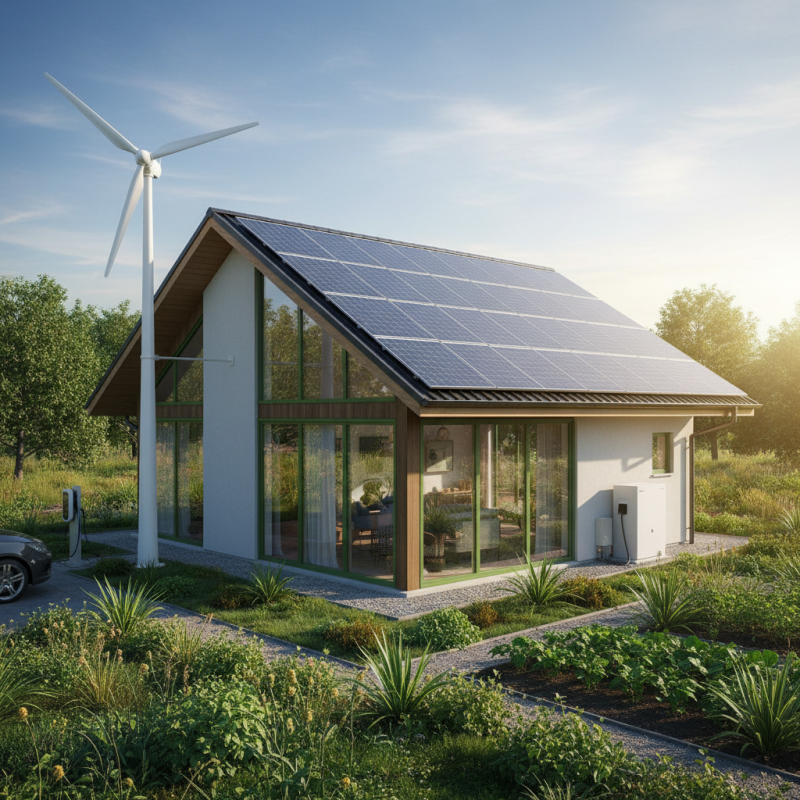
    When considering options, think outside the box. Solar panels are popular, but installation can be costly. You might not get a perfect return on your investment. Wind turbines can be excellent, but they require space and consistent wind. Hydro systems depend on water access, which not everyone has. Each option has its pros and cons.

    Tips: Research local regulations before investing. Not all areas allow for wind or solar installations. Consult energy efficiency experts to find the best fit. Sometimes, small changes like better insulation can make a big difference. Evaluate your home’s energy needs carefully. It’s not always easy to choose the best path, but with informed choices, progress is possible.
    Assessing Energy Needs: Calculating Your Home's Consumption

    When choosing green energy solutions, understanding your home's energy consumption is crucial. Begin by examining past utility bills. Track your monthly usage to identify patterns. Have the numbers handy for future reference. Calculate the total kilowatt-hours used over a year. This data provides a foundation for your energy needs.

    Next, assess the appliances in your home. List major items like refrigerators, washing machines, and heating systems. Note their energy ratings. Consider how often you use each appliance. This closer look may reveal surprising insights. You might find that some devices consume more energy than expected. Adjusting usage habits can lead to more efficient consumption.

    After gathering this information, explore energy solutions that fit your needs. Solar panels could be an option if sunlight is ample. Wind turbines might work for homes in open areas. Remember, not every solution suits every home. Reflect on how your lifestyle and habits influence energy consumption. Adapting to greener choices requires personal commitment and consideration.

    Energy Consumption Comparison for Green Energy Solutions

    This chart compares the average monthly energy production from various green energy solutions, helping homeowners assess which option may best meet their energy needs.

    Exploring Different Green Energy Sources: Solar, Wind, and Biomass

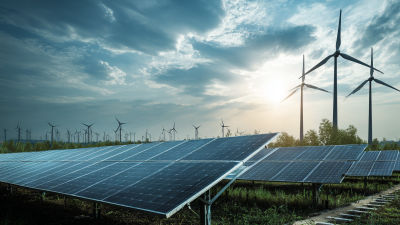
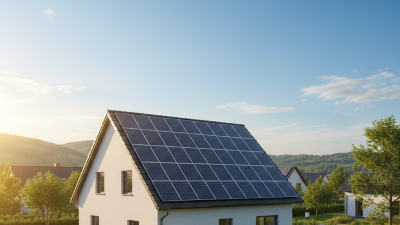
    When exploring green energy solutions for your home, three primary sources come to mind: solar, wind, and biomass. Each has unique advantages and considerations. Solar energy is popular because of its availability. Solar panels convert sunlight into electricity, reducing your utility bills. However, installation can be costly and may require maintenance.

    Wind energy is another viable option. If you have enough space, a small wind turbine could harness the wind's power. It’s efficient in areas with consistent wind. But, you must consider local regulations and potential noise. Also, the initial investment may not suit everyone’s budget.

    Biomass energy utilizes organic materials. This includes wood, agricultural residues, and food waste. It’s renewable and can lower your carbon footprint. Yet, sourcing reliable biomass can be challenging. Not all materials are sustainable.

    Tips: Research local incentives for renewable energy. These can significantly lower costs. Also, consider your home's location and energy needs. Every household is different, and the best solution isn't one-size-fits-all. Balancing the pros and cons is crucial. Ensure that your choice aligns with your lifestyle and values.

    Evaluating Costs and Incentives: Budgeting for Green Energy Solutions

    How to Choose the Best Green Energy Solutions for Your Home?

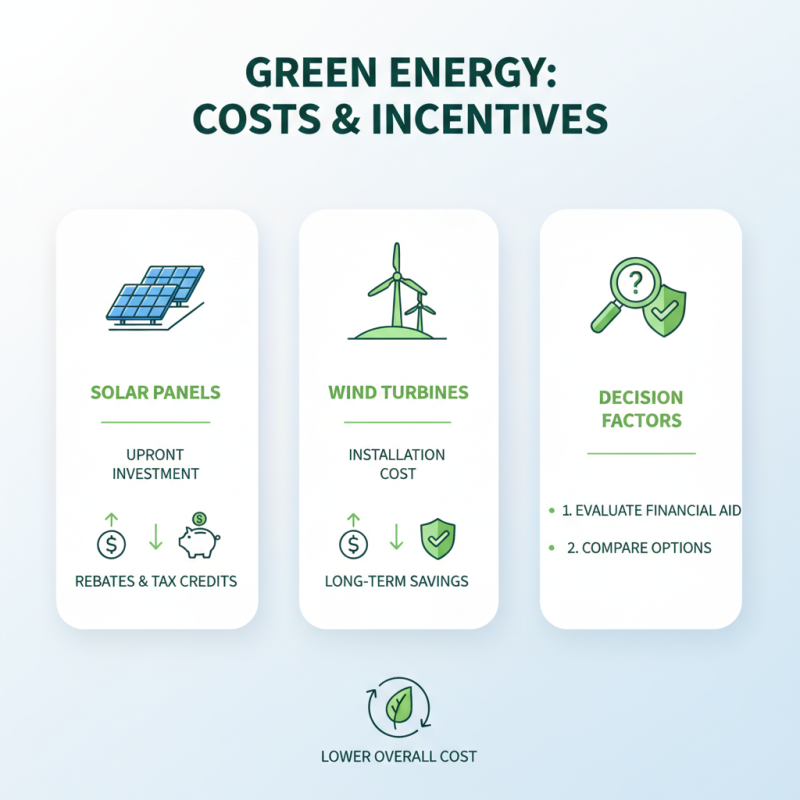
    When considering green energy solutions, costs and incentives play a crucial role. Various options are available, from solar panels to wind turbines. Each choice has its financial implications. Installing solar panels might require a significant upfront investment. However, potential rebates and tax credits can lower overall costs. Evaluating these financial incentives is vital before making decisions.

    Budgeting for green energy can be tricky. Some homeowners underestimate ongoing maintenance costs. It's not just about installation; repairs can add up. Understanding these factors helps in creating a realistic budget. Reviewing local programs that support renewable energy installations may reveal hidden incentives. Many regions offer grants or low-interest loans for such projects. Compare different funding options carefully.

    Reflecting on your energy needs is also essential. Consider your electricity usage and future plans. What might work today may not meet future demands. Always keep an open mind. Research thoroughly and seek multiple quotes. Each solution is unique, and finding the right fit can take time. Make informed decisions to ensure your green energy choice is sustainable and financially sound.

    Choosing the Right Installation: Professional Services vs. DIY Options

    How to Choose the Best Green Energy Solutions for Your Home?

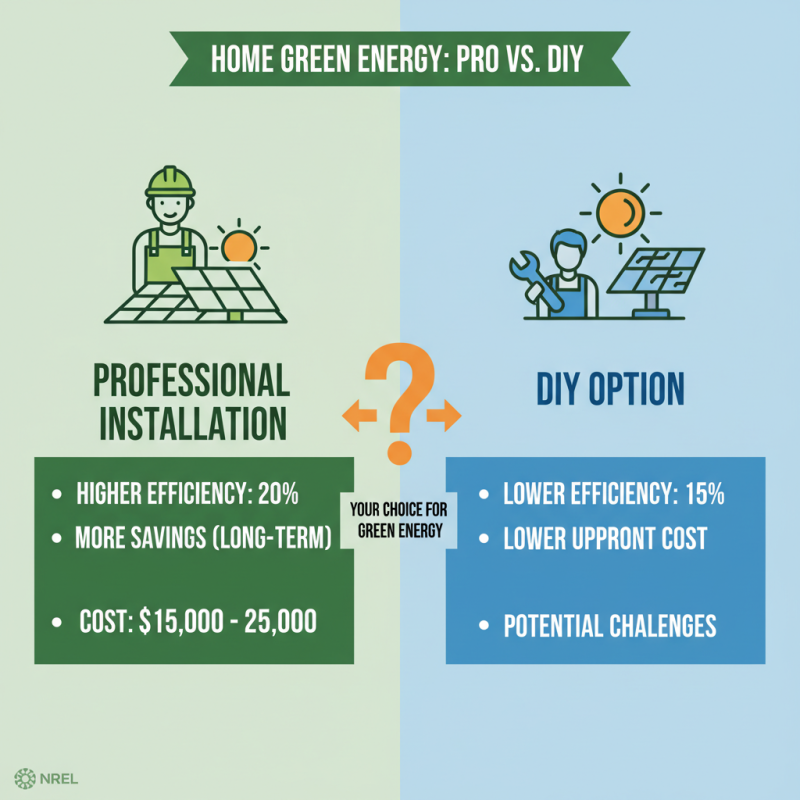
    Choosing between professional installation and DIY options for green energy solutions for your home can be challenging. A recent report from the National Renewable Energy Laboratory shows that professionally installed solar panels often have a higher efficiency rate, averaging around 20% compared to 15% for many DIY systems. This efficiency translates to significant long-term savings on energy bills. However, hiring professionals can be costly, averaging between $15,000 to $25,000 depending on the system size.

    On the other hand, DIY installations present a cost-effective alternative. A study by the Solar Energy Industries Association noted that homeowners can save nearly 40% on installation costs by going the DIY route. Yet, the complexity of installation needs careful consideration. Many DIY enthusiasts report difficulties with local regulations and permitting processes. Mistakes can lead to subpar performance, and fixing them can be expensive.

    In some cases, grabbing a toolkit may not lead to the expected results. While DIY offers freedom, it also requires a commitment to research and skill assessment. Homeowners should not underestimate the learning curve associated with DIY projects. Weighing these elements is crucial for making an informed decision.