How to Choose China Top Off Grid Solar System Suppliers?
Choosing a reliable China top off grid solar system supplier requires more than comparing prices online. A trustworthy supplier should understand your location, energy habits, weather conditions, and maintenance limitations. One small rural clinic may need stable refrigeration and lighting. A remote home may prioritize evening cooking and water pumping. These differences affect battery capacity, inverter size, solar panel design, and long-term cost.
Amory Lovins, a respected energy systems expert, has often stated, “The cheapest energy is the energy you don’t use.” This principle matters when selecting an off grid solar system. An experienced supplier should assess your actual loads before recommending equipment. Ask for load calculations, component datasheets, warranty terms, certification records, and real installation examples. Factory photos are useful, but operating projects offer stronger evidence.
Look beyond impressive product claims. Check whether the supplier tests batteries, documents quality control, and provides technical support after delivery. Ask who handles failures when a controller stops working during a rainy season. That answer can reveal more than a polished website.
No supplier is perfect. Even a strong manufacturer may have slow communication or limited local service. We should admit this. The right choice balances product quality, engineering experience, transparent pricing, delivery reliability, and practical support. This guide will examine these factors carefully, helping buyers compare China’s leading off grid solar system suppliers with clearer expectations and fewer costly assumptions.
Define Your Off-Grid Solar Energy Needs and Site Conditions
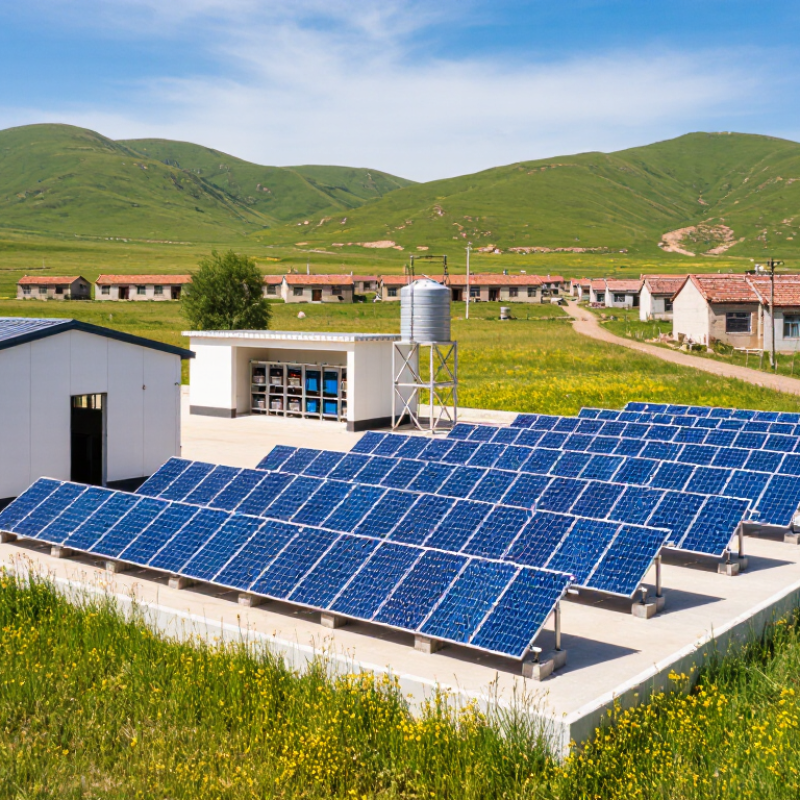
Choosing among China’s top off-grid solar system suppliers starts with your site, not a catalog. List every load: lights, pumps, refrigerators, tools, and communication devices. Record each appliance’s watts and daily operating hours. A small refrigerator may consume little energy daily, yet its compressor creates a sharp starting surge. Ignore that detail, and the inverter may trip.
Use local solar data, not a supplier’s generic estimate. The World Bank’s Global Solar Atlas provides location-based irradiation and photovoltaic potential data for early planning. Measure roof or ground area, shading, dust, seasonal rain, and the installation’s highest and lowest temperatures. A shaded panel row can reduce output more than expected. Battery capacity should reflect night-time demand, cloudy-day autonomy, and permitted depth of discharge. The first estimate is rarely perfect.
The IEA’s Renewables 2024 report expects solar PV to deliver most new renewable capacity through 2030, but global averages cannot define one village or workshop. ESMAP’s Off-Grid Solar Market Trends Report 2022 estimated that off-grid systems could serve 398 million people by 2030, showing the sector’s scale and diversity. Ask suppliers to show their assumptions, test certificates, warranty limits, replacement procedures, and performance calculations for your exact location. Request a load sheet and a simulation file. They may still be wrong. That is why measured demand, seasonal records, and a conservative design matter more than the lowest quotation.
Compare Solar System Suppliers by Product Quality and Technical Expertise
When comparing China’s off-grid solar system suppliers, look beyond quoted capacity and price. Product quality shows in the details: clean enclosure seals, secure cable connections, readable labels, and battery terminals that resist corrosion. Ask for model-specific test reports and datasheets, then check that the inverter, batteries, charge controller, and protection devices are compatible as a complete system.
Request a bill of materials and clarify the operating conditions behind each performance figure. For example, battery capacity may be stated at a particular temperature or discharge rate. Ask how the supplier accounts for cloudy days, motor-starting loads, and seasonal changes in sunlight. Small details matter. If possible, review sample units or inspection photos before shipment, and confirm how defects are recorded and handled. A polished datasheet can still leave practical questions unanswered.
Technical expertise is easier to assess through the quality of the supplier’s questions. A capable engineering team should ask about daily energy use, peak loads, installation location, and backup needs before recommending equipment. Request a sample system design with cable sizing, protective-device ratings, and an explanation of key assumptions. Check whether support staff can troubleshoot common issues using measurements, not guesswork. A supplier may answer quickly yet miss a detail; ask them to explain their reasoning. No checklist removes every uncertainty, but clear documentation and technically specific answers make comparisons more reliable.
Verify Supplier Certifications, Manufacturing Capacity, and Reliability
Choosing an off-grid solar supplier in China requires more than comparing prices. Verify certificates for the exact products you plan to buy, not just the company’s general credentials. Check the issuing body, validity dates, and whether the documents cover batteries, inverters, and solar modules. Ask for recent test reports and confirm that model numbers match the quotation. Small mismatches matter.
Tips:
Request a production schedule, a sample quality-control record, and clear answers about monthly output. Ask how the supplier tests an inverter under load and checks battery capacity. If possible, inspect the factory or arrange an independent audit. A polished tour is useful, but it is only a snapshot.
Reliability also depends on what happens after shipment. Request references from buyers with systems of similar size and operating conditions. Clarify warranty coverage, replacement-part availability, response times, and technical support across time zones. Ask how the supplier handles delayed components or a failed battery batch. Their answers should be specific, not just reassuring.
No checklist removes every risk, and I would not treat one certificate or reference as proof. Compare records, production capacity, and service commitments together before paying a deposit.
Evaluate System Design, Battery Options, Pricing, and Warranty Terms
Ask suppliers for a load-based design, not a panel count alone. A credible proposal lists daily energy use, peak loads, solar-array output, inverter capacity, and expected low-sun autonomy. Request the assumptions behind those figures, including local seasonal sunlight. For batteries, compare usable capacity, chemistry, cycle-life conditions, and temperature limits. A large nameplate capacity can still provide less usable energy than expected. Details matter.
IRENA’s Renewable Power Generation Costs in 2023 reports that battery-storage project costs fell 89% between 2010 and 2023, reaching an average of $139 per kilowatt-hour. This is market context, not a turnkey off-grid system price; project scope differs. Compare itemized quotes for batteries, controls, freight, installation, and commissioning. Warranty terms deserve equal scrutiny: check coverage years, retained-capacity thresholds, cycle limits, exclusions, and who handles service. Ask whether replacement shipping is covered. Even a tidy comparison spreadsheet can miss cloudy-season demand or delayed support. That deserves a second look.
Assess Installation Support, After-Sales Service, and Supplier Reputation
When comparing China’s off-grid solar suppliers, ask who handles commissioning after the equipment leaves the factory. Request a written installation plan, wiring diagrams, battery settings, and a remote-support contact. For a rural clinic, confirm who checks inverter alarms when the local technician is unavailable. Ask for response times in writing. Vague promises are not support.
The World Bank’s ESMAP report, Mini Grids for Half a Billion People (2019), estimated that about 490 million people could be served by mini-grids by 2030. That projected growth makes maintainability important: check spare-parts availability, warranty exclusions, and technician training before paying a deposit. The IEA PVPS Snapshot of Global PV Markets 2024 estimated roughly 447 GW of new solar capacity was installed worldwide in 2023. Large-scale growth does not guarantee dependable service from any individual supplier. Ask for references from comparable off-grid projects, then speak with operators about downtime and replacement delays. No checklist is perfect. A supplier’s reputation should rest on verifiable project records, clear service terms, and candid answers when a system fails. I’d still treat polished brochures cautiously.