How to Choose the Best Home Solar Energy System for You?
Choosing the right home solar energy system can feel overwhelming. With numerous options available, knowing what suits your needs is crucial. Expert Jessica Green, a leading voice in the solar energy field, emphasizes, "Tailoring a solar system to your lifestyle is key to maximizing efficiency and savings."
Understanding your home’s energy consumption is the first step. Take a close look at your utility bills. Identify peak usage times and appliances that draw the most power. This awareness helps in selecting a system that aligns with your needs.
Next, consider the installation space. Assess your rooftop or property area. Some homes may have limited sunlight exposure, which can affect system performance. It’s essential to reflect on these aspects before committing to a purchase. As solar technology evolves, remaining informed and flexible is vital. A perfect fit might take time, and that’s okay. Make decisions based on thoughtful consideration rather than haste.
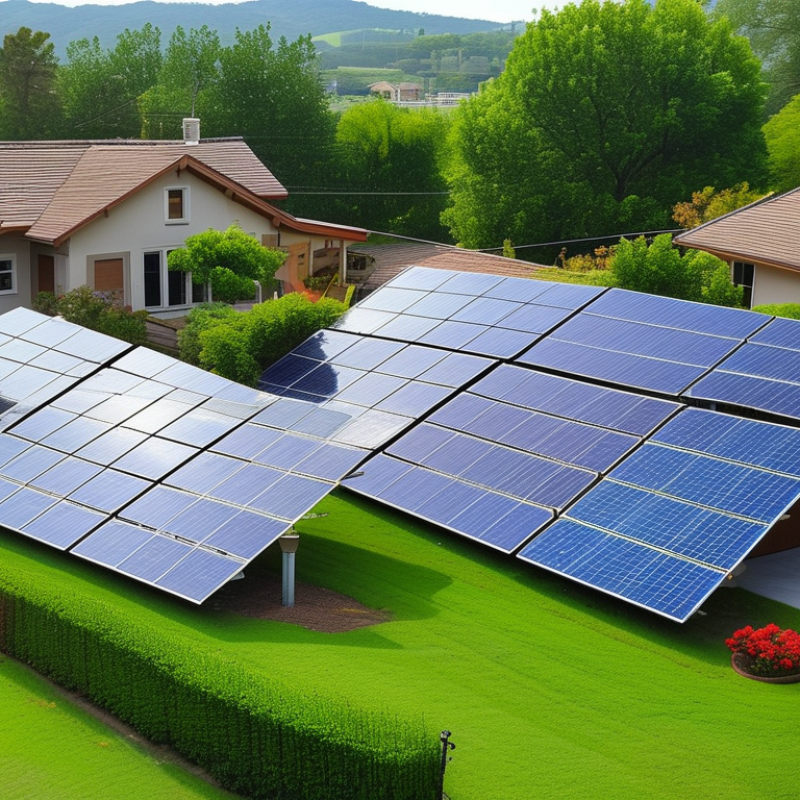
Understanding Your Home Energy Needs
Understanding your home energy needs is crucial when selecting a solar energy system. Begin by evaluating your current power consumption. On average, U.S. households use about 877 kWh per month, according to the U.S. Energy Information Administration. Reviewing past utility bills helps identify your usage patterns. This insight allows you to determine the size of the solar system you require.
Consider the efficiency of potential solar panels. Not all panels perform equally; average efficiencies can range from 15% to 22%. This percentage indicates how much sunlight can be converted into usable electricity. You may need more panels with lower efficiency to meet your energy needs. Think about roof space as well. If your roof is small, opting for higher efficiency models might be essential.
To further refine your decision, assess local incentives. Many regions offer tax credits, rebates, or financing options for solar installations. This can significantly lower your overall investment. Also, evaluate the long-term savings of solar energy. The National Renewable Energy Laboratory estimates that homeowners can save between $20,000 and $100,000 over 20 years with solar energy. Make sure you account for these financial factors as you explore your options.
Evaluating Different Types of Solar Energy Systems
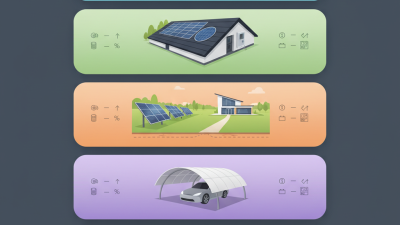
When choosing a solar energy system, understanding the different types is crucial. There are primarily three systems:
grid-tied, off-grid, and hybrid. Each has its unique benefits and considerations.
Grid-tied systems are the most common. They connect to the local utility and allow for net metering, making them cost-effective.
However, they rely on the grid during power outages.
Off-grid systems offer independence. They require battery storage to function without grid access. This leads to higher upfront costs
and maintenance needs. This option suits remote areas but can pose challenges during winter months.
A hybrid system combines the benefits of both. It connects to the grid but also uses batteries for backup. This versatility comes
with more complex installation requirements. Consider your energy needs and location before making a choice. A thorough
assessment can highlight which system is best for your household. Analyze your energy consumption patterns and estimate potential savings.
Look into local incentives and rebates.
It's also important to reflect on long-term goals. How sustainable do you want your energy use to be? Every system requires an
upfront investment. Weigh the potential energy savings against these costs. Choosing the right solar energy system should blend
economic sense with your values.
Assessing Installation Space and Conditions
When considering a home solar energy system, evaluating your installation space is essential. The roof's orientation, pitch, and shading are critical factors. South-facing roofs typically receive the most sunlight, improving energy production. If your roof has shading from trees or nearby buildings, that could reduce efficiency. It’s important to assess your environment carefully.
Next, measure your roof's available space. Calculate how many solar panels can fit. Compact roofs might limit installation options, while larger roofs provide flexibility. Determine whether your roof can support solar panels structurally. Some older roofs may require repairs or reinforcements.
Remember that ground installations can also be an option if roof space is limited. Assess your yard's available area, sunlight exposure, and any local zoning regulations. Consider potential obstructions from landscaping. Engaging a professional can provide insights into what works best for your home. A thorough assessment ensures you choose the most suitable solar energy system.
Analyzing Costs and Financial Incentives
When considering a solar energy system for your home, analyzing costs is crucial. The initial investment may seem high, but various financial incentives can offset these expenses. Tax credits, rebates, and state-specific programs often reduce the overall cost significantly. Evaluating these options can empower you to make a financially sound decision.
Different regions offer different incentives. Research local programs that may help lower your upfront costs. For example, some states provide significant tax credits based on the installation price. Others offer property tax exemptions for solar energy systems, which can enhance the long-term return on your investment.
However, cost isn’t the only consideration. You must also evaluate the system's efficiency and its lifespan. A cheaper system may lead to higher future energy costs if it underperforms. Investing time in understanding your unique energy needs can lead to a more beneficial outcome. Keep in mind that not all incentives are permanent. Changes in policy can affect future costs. Staying informed is essential for making a wise choice.
How to Choose the Best Home Solar Energy System for You? - Analyzing Costs and Financial Incentives
| Dimension |
Details |
| System Size |
5 kW |
| Average Cost |
$15,000 |
| Federal Tax Credit |
26% |
| State Incentives |
varies by state |
| Expected Savings |
$1,200 per year |
| Payback Period |
6-8 years |
| Environmental Impact |
Reduces carbon footprint significantly |
| Financing Options |
Cash purchase, loans, leases |
Choosing a Reliable Solar Energy Provider
Choosing a reliable solar energy provider is crucial for your home solar energy system. Start by researching local providers. Look for companies with established reputations and positive customer reviews. A trustworthy provider will have experience in the industry and will offer clear information about their products and services.
It's essential to ask potential providers about their installation process. Proper installation impacts system efficiency. Inquire about warranties and service options as well. A good company should stand behind its work and ensure customer satisfaction long after the installation.
Consider reading online reviews and checking the Better Business Bureau ratings. Engaging with online communities can provide additional insights. Sometimes, personal recommendations can lead you to hidden gems that perform well. Remember, your choice will influence your solar experience significantly. Making an informed decision saves you time and money down the road.