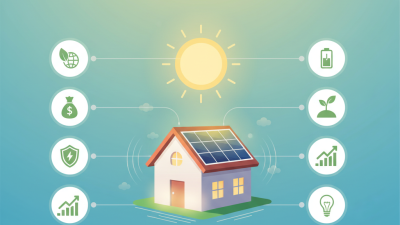
Why You Should Consider Solar for Your Home in 2023
As we move into 2023, many homeowners are reevaluating their energy choices. One option that stands out is solar for your home. This renewable energy source offers potential savings and environmental benefits. Imagine harnessing sunlight to power your everyday life. The initial investment may raise eyebrows, but think about long-term benefits.
Solar panels can reduce monthly utility bills. They may even add value to your property. However, not every roof is suitable for solar. Location, sunlight exposure, and installation costs all vary. Homeowners must consider these factors before making the leap.
Solar for your home has ups and downs. It requires upfront planning and research. Some may find the transition overwhelming. But, with the right information, you could enjoy energy independence. It’s a decision that can shape both your financial future and the planet’s health. Decide wisely.
Benefits of Solar Energy for Homeowners in 2023
Solar energy has become increasingly popular among homeowners in 2023. Installing solar panels can reduce energy bills significantly. Many families are enjoying lower monthly expenses. But, the initial investment can be daunting. The cost of purchasing and installing panels may seem high at first.
In addition to financial savings, solar energy benefits the environment. Homeowners contribute to reducing carbon footprints. This can be a step toward a greener planet. Solar energy systems can also increase property values. Potential buyers may prefer homes with solar installations. However, not all homes are suitable for solar panels. Factors like roof orientation and shading play a crucial role.
It's essential to weigh the pros and cons. While solar can save money, it requires commitment. Maintenance and repairs may also come into play later. Not all installations perform the same in various climates. Homeowners need to research thoroughly to make informed decisions. Solar energy brings great potential but is not without its challenges.
Cost Savings: How Solar Can Reduce Your Electricity Bills
As energy prices continue to rise, many homeowners are looking for ways to reduce their electricity bills. Solar energy offers a promising solution. By installing solar panels on your home, you can generate your own electricity. This can significantly decrease your monthly utility payments. Imagine saving hundreds of dollars each year. It’s an appealing prospect for many.
Turning sunlight into energy sounds great, but it does require an upfront investment. Solar panel installations can be costly initially. Homeowners often worry about the return on investment. However, many find that savings on their bills quickly offset the initial costs. Some states even offer tax incentives and rebates that can ease this financial burden.
Furthermore, it's important to consider maintenance costs. Solar systems need regular check-ups. This may add to your expenses. Some homeowners may feel overwhelmed by the technology. But understanding the basics can make the decision easier. Researching available options helps clarify choices. Solar energy isn’t one-size-fits-all; it requires thought. However, the potential savings can make the effort worthwhile.
Why You Should Consider Solar for Your Home in 2023 - Cost Savings: How Solar Can Reduce Your Electricity Bills
| Year |
Average Monthly Electricity Bill ($) |
Estimated Solar Installation Cost ($) |
Monthly Savings with Solar ($) |
Payback Period (Years) |
| 2021 |
130 |
15,000 |
40 |
12 |
| 2022 |
140 |
15,500 |
45 |
11.5 |
| 2023 |
150 |
16,000 |
50 |
10 |
Environmental Impact: The Role of Solar Energy in Sustainability
Solar energy is becoming an essential part of sustainability. Using solar panels can drastically reduce our carbon footprint. Homes equipped with solar energy systems harness sunlight to generate electricity. This process emits no greenhouse gases, making it a cleaner option for the environment.
Many people overlook the long-term benefits. Initial installation costs can be high. However, over time, the savings on energy bills can be significant. In sunny regions, solar can provide most of a household's energy needs. Still, not every home is suited for solar panels. Some may face shading issues or structural concerns.
It’s crucial to assess your home’s suitability. Understanding local regulations and zoning laws is also important. Environmental benefits extend beyond households. A collective shift towards solar can lead to reduced fossil fuel dependency. The potential impact is large, yet individual reluctance can slow progress. Fostering awareness about these issues can drive change.
Government Incentives for Solar Installation in 2023
In 2023, homeowners are increasingly looking at solar energy. One major attraction? Government incentives. These programs can significantly lower installation costs, making a solar transition affordable. Many homeowners may not fully grasp these incentives, creating potential opportunities for savings.
Most incentives offer tax credits or rebates for solar systems. Some states provide cash incentives for residents. Additionally, net metering lets homeowners sell excess energy back to the grid, which can lead to reduced energy bills. Homeowners might feel overwhelmed navigating these options; however, taking the time to understand them pays off.
Consider, for instance, the federal tax credit. It allows deductions on solar installation costs. If you invest now, you can see that return within a few years. Yet, each individual's situation is different. It’s crucial to assess personal energy needs and financial circumstances. That’s where some may fall short; they may rush into decisions without fully exploring their options.
Factors to Consider Before Installing Solar Panels at Home
When considering solar panels for your home in 2023, various factors must be weighed. The initial cost can be daunting. Installation and equipment can run high. However, some homeowners often overlook potential savings on energy bills. Over time, these savings may offset the initial investment.
Local regulations can impact your decision. Some areas offer incentives or tax breaks for solar energy use. Check if your location has any laws that might affect installation. Not all homes are equally suited for solar panels. Roof angle, shading, and material play significant roles. You might find your roof is not ideal, which could lead to wasted resources.
Understanding energy needs is crucial. Analyze how much energy your household consumes regularly. This assessment helps determine the size and number of panels required. Some homeowners don't realize their energy consumption fluctuates, leading to complications. It's essential to reassess habits to optimize efficiency. Ultimately, investing in solar is not just about panels; it's about planning for a sustainable future.