2025 How to Implement Effective Green Energy Solutions for a Sustainable Future
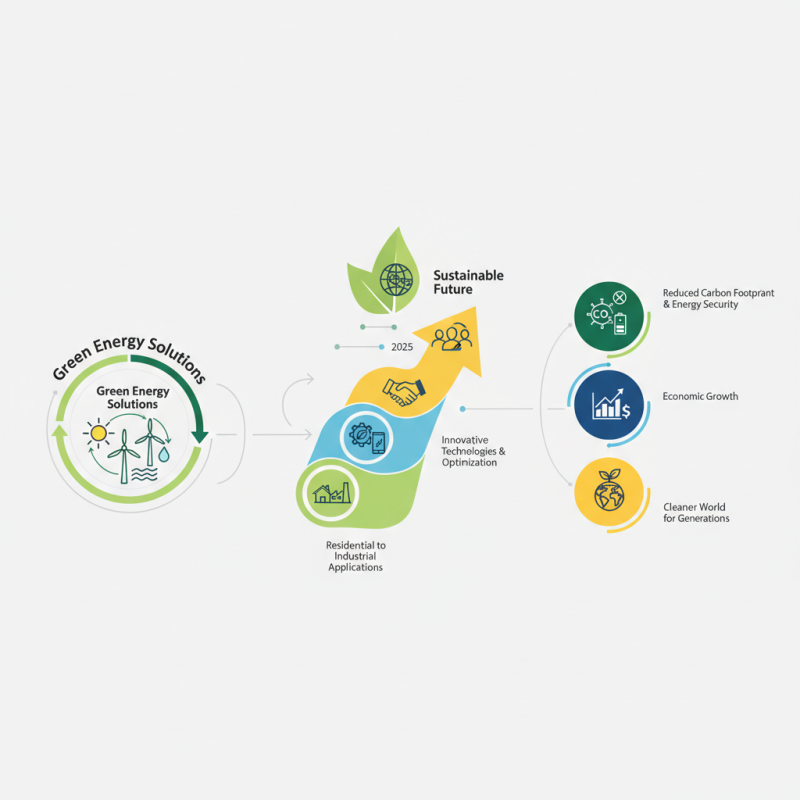
As the world grapples with the escalating impacts of climate change and environmental degradation, the imperative for sustainable practices has never been clearer. Central to this transition towards sustainability is the adoption of effective green energy solutions. These solutions not only aim to reduce carbon footprints but also enhance energy efficiency and promote renewable resources. In 2025, a pivotal year for global environmental initiatives, the implementation of these strategies will be crucial to achieving a greener future.
The need for actionable green energy solutions spans across various sectors, from residential to industrial applications. By tapping into sources such as solar, wind, and hydro energy, communities can foster resilience against climate volatility while also ensuring energy accessibility. Moreover, the integration of innovative technologies will play a significant role in optimizing energy consumption and reducing waste. As we explore the paths toward implementing these energy solutions, it is essential to highlight collaborative efforts among governments, businesses, and individuals to build a more sustainable living environment.
In conclusion, the transition to a sustainable future hinges on our commitment to deploying effective green energy solutions. Understanding and embracing these strategies will not only benefit the planet but also contribute to economic growth and energy security. As we move forward, we must prioritize these efforts to cultivate a cleaner, more sustainable world for generations to come.
Defining Green Energy Solutions and Their Importance for Sustainability
Green energy solutions play a pivotal role in steering the world towards a sustainable future. These solutions primarily encompass renewable energy sources such as solar, wind, hydro, and geothermal energies.
According to the International Renewable Energy Agency (IRENA), the global renewable energy capacity reached over 2,800 gigawatts in 2020, contributing to approximately 29% of the world’s electricity generation. This transition not only reduces the reliance on fossil fuels but also significantly lowers greenhouse gas emissions, which are crucial for mitigating climate change.
Implementing green energy solutions is not just an environmental imperative but also an economic opportunity. Research by the International Energy Agency (IEA) indicates that the renewable energy sector employed over 11 million people worldwide in 2018, with projections suggesting this number could rise to 24 million by 2030. By investing in green technologies, countries can foster job creation, enhance energy security, and stimulate economic growth.
Furthermore, the potential for innovation in the field of green energy solutions, including advancements in energy storage and smart grids, can improve resilience against energy disruptions, making sustainable energy systems more robust and efficient.
Key Renewable Energy Sources: Solar, Wind, and Biomass Technologies
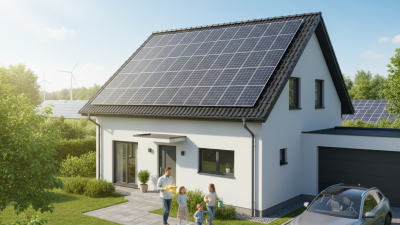
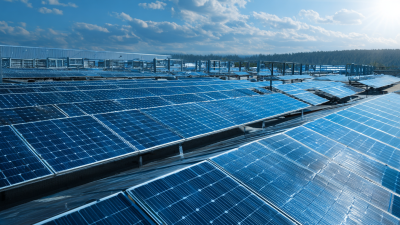
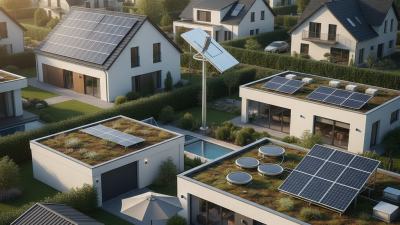
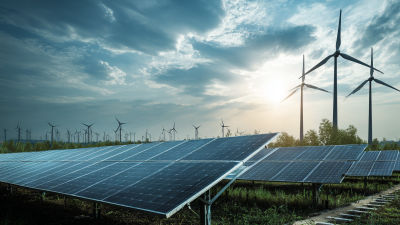
The transition to a sustainable future hinges on the effective integration of key renewable energy sources, notably solar, wind, and biomass technologies. Solar energy, harnessed through photovoltaic cells and solar thermal systems, offers an abundant and clean energy alternative. With advancements in technology improving efficiency and reducing costs, solar power can significantly contribute to energy independence and reduce greenhouse gas emissions. Implementing solar solutions at both residential and industrial scales not only promotes sustainability but also fosters local job creation in installation and maintenance sectors.
Wind energy, another pivotal player in the renewable landscape, relies on harnessing the kinetic energy of wind through turbines. As wind technology continues to evolve, offshore and onshore wind farms are becoming increasingly efficient, generating substantial amounts of electricity with minimal environmental impact. This energy source is particularly valuable in areas with consistent wind patterns, providing a renewable solution that can complement other energy sources. By investing in wind infrastructure, communities can achieve a dual benefit of clean energy production and stimulating economic growth.
Biomass technologies utilize organic materials like plant and animal waste to produce energy, presenting an unconventional yet effective method for reducing reliance on fossil fuels. By converting waste into bioenergy, biomass systems can address waste management challenges while generating heat, electricity, and biofuels. Moreover, biomass energy can serve as a flexible addition to the energy mix, providing a reliable power source even when solar or wind availability fluctuates. By embracing these renewable sources strategically, we can cultivate a more sustainable and resilient energy system for the future.
Best Practices for Implementing Green Energy Solutions in Communities
Implementing green energy solutions in communities is essential for fostering sustainability and combating climate change. One of the best practices is community engagement in the planning and decision-making process. By involving residents in discussions about potential green initiatives, communities can ensure that the solutions align with local needs and values. Hosting workshops and informational sessions can help educate the public about the benefits of renewable energy, such as solar and wind power, which can cultivate a sense of ownership and responsibility among community members.
Another effective approach is to create partnerships with local organizations and government entities. These partnerships can facilitate the pooling of resources, knowledge, and expertise necessary for successful implementation. For example, collaboration with educational institutions can lead to research and pilot programs that showcase innovative green technologies. Furthermore, communities can leverage available grants and incentives to reduce initial investment costs, making it easier for residents to adopt green energy solutions. By working together, communities can develop a cohesive strategy that not only promotes green energy but also enhances economic development and social equity.
Overcoming Economic and Policy Barriers to Green Energy Adoption
The transition to green energy solutions has become imperative for achieving a sustainable future, yet economic and policy barriers still hinder widespread adoption. According to the International Renewable Energy Agency (IRENA), global renewable energy investments need to double by 2030 to effectively limit climate change to 1.5 degrees Celsius. One significant barrier is the high initial cost of renewable technologies, which can deter both consumers and businesses. Furthermore, inconsistent energy policies and lack of incentives can create uncertainty for potential investors.
To overcome these hurdles, governments and policymakers must prioritize the development of supportive frameworks that promote renewable energy. Implementing clear and stable regulations can encourage private investment and innovation. Additionally, transitioning towards innovative financing models, such as green bonds, can help to reduce capital costs for consumers. It is also essential for local governments to provide educational programs that raise awareness about the long-term benefits of green investments.
Tips:
- Advocate for policies that offer tax incentives for renewable energy projects.
- Partner with local organizations to facilitate community education on the advantages of green energy adoption.
- Encourage collaboration between the public and private sectors to streamline permitting processes for renewable energy installations.
The Role of Innovation and Technology in Advancing Green Solutions
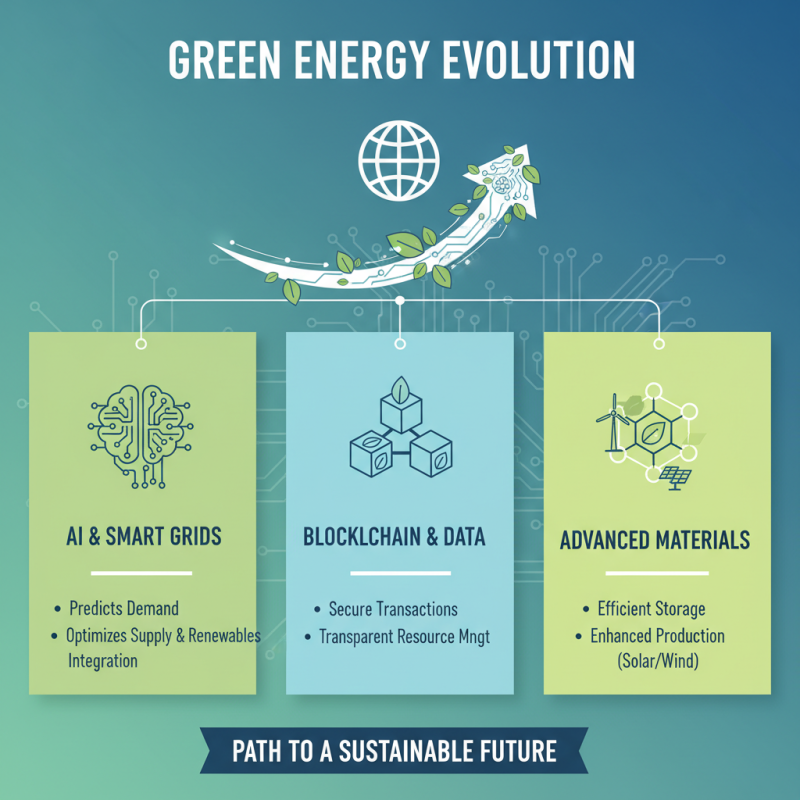
The evolution of green energy solutions is heavily reliant on innovation and technology, paving the way for a sustainable future. As the world faces escalating environmental challenges, the application of cutting-edge technologies such as artificial intelligence, blockchain, and advanced materials is becoming increasingly vital. These innovations facilitate the efficient management of energy resources, optimize energy production, and reduce waste. For instance, smart grids equipped with AI can predict energy demand and adjust supply accordingly, minimizing dependency on fossil fuels and enhancing the integration of renewable energy sources.
Moreover, new advancements in energy storage technology, such as next-generation batteries, are crucial in enabling the effective use of intermittent renewable energy sources like solar and wind. These developments not only improve energy accessibility but also foster resilience in energy systems, ensuring that green energy can reliably meet consumer needs. As innovation continues to drive efficiency and lower costs, it is imperative for governments and industries to support research and development initiatives, creating an ecosystem that nurtures groundbreaking solutions in the quest for sustainability.