How to Choose Solar for Your Home Effectively?
Choosing solar for your home can be a daunting task. With so many options available, making the right decision requires careful thought. The potential benefits are significant, including reduced energy bills and a smaller carbon footprint. However, not all solar solutions suit every home.
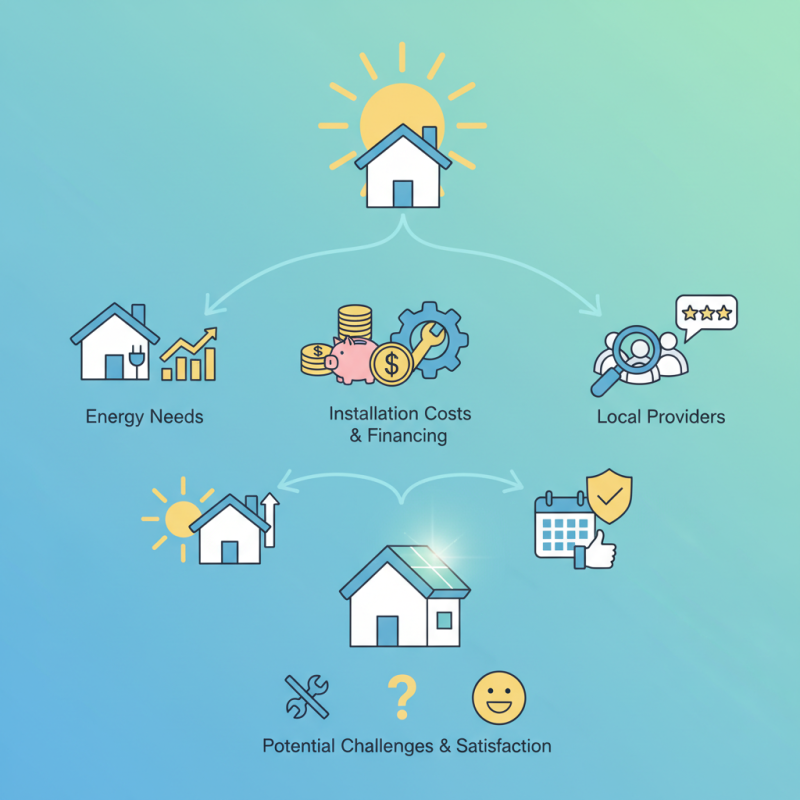
When evaluating solar for your home, consider your energy needs. Assess how much power you consume daily. This will help in determining the right system size. You should also explore installation costs and financing options. It’s easy to overlook these aspects, but they are crucial for a long-term investment.
Additionally, research local solar providers. Their experience and customer reviews can provide valuable insights. Remember, not everything will go perfectly. Some might face installation issues or technical difficulties later on. Being prepared for potential challenges can lead to a more satisfying experience overall.
Understanding Your Energy Needs for Solar Adoption
Understanding your energy needs is crucial for solar adoption. Start by analyzing your electricity bills. Look for patterns in your usage over a year. Monthly fluctuations show when you use the most energy. Are there specific seasons when your bill spikes? This information is valuable when choosing your solar system.
Consider your household's habits. Take note of how many devices you use daily. Count all the appliances and their energy ratings. Do you have any high-consumption items, like central heating or air conditioning? What about electric cars? Each factor affects how much solar power you’ll need.
Evaluate your roof space too. Is it shaded by trees or nearby buildings? Are there restrictions on the installation? These details matter. You might find that your initial assumptions about solar energy don't align with reality. It's essential to reflect on these elements carefully. Each aspect plays a role in selecting the best solar system for your home.
Evaluating Different Types of Solar Panels and Systems
When evaluating solar panels, consider the type that fits your home best. Monocrystalline panels are highly efficient but can be expensive. They are sleek and take up less space, which is great for small rooftops. Polycrystalline panels are a more affordable option, but they are slightly less efficient. They take up more space, which might not suit every homeowner.
Another option is thin-film solar panels. They are lightweight and flexible, making them ideal for unique installations. However, these panels generally have lower efficiency. They may require more space and might not be the best choice for limited roof areas. Assess your roof's orientation and shade levels before deciding.
Consider the long-term implications of your choice. Installation costs can vary widely. Return on investment might take years. Are you prepared for that? Additionally, warranties and panel degradation rates are crucial. Some panels might not perform as expected over time. Make informed decisions to avoid regrets.
Comparing Different Types of Solar Panels
Assessing the Costs and Financing Options for Solar
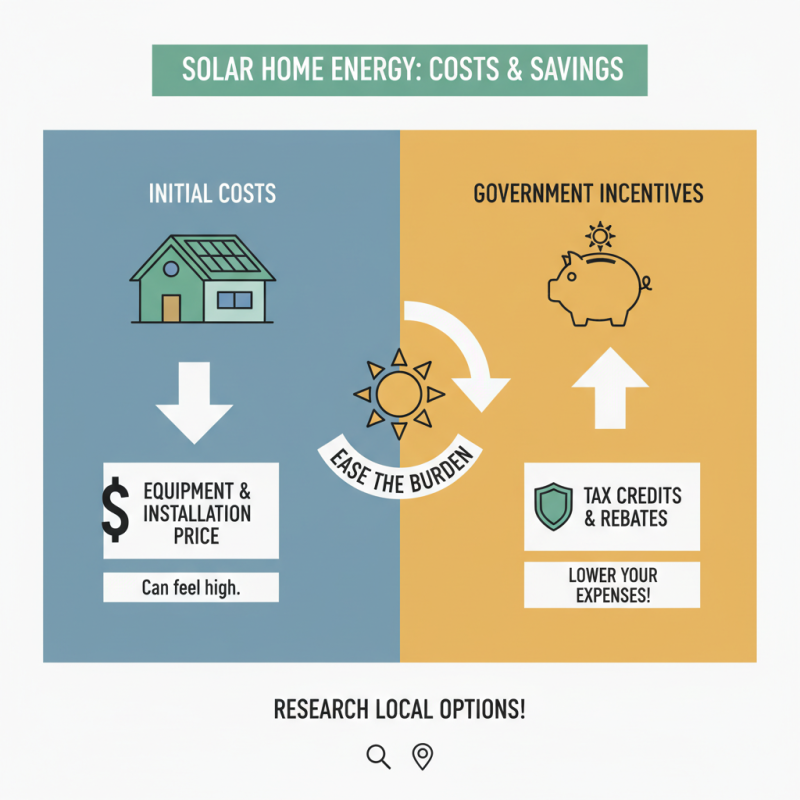
When considering solar energy for your home, understanding costs is crucial. The initial investment often feels daunting. For many, the price of solar panels and installation can be a shock. However, government incentives can ease this burden. Tax credits can significantly lower your out-of-pocket expenses. Research available options in your area.
Financing options are diverse. Some choose to purchase outright. Others prefer loans or leases. Each method has its pros and cons. For example, loans increase monthly payments but lead to home equity. Leases can offer less hassle, but you may miss out on long-term savings. Consider your financial situation carefully.
It’s important to reflect on hidden costs. Installation may come with fees not included in the initial quote. Maintenance expenses can also add up over time. Evaluate whether your roof is in good condition. An old roof might need repairs. These factors influence your overall investment in solar energy.
Choosing a Reputable Solar Installer and Guarantees
When selecting a solar installer, reputation is crucial. Look for companies with positive reviews and testimonials. Check online platforms to assess their credibility. A reputable installer has a proven track record. They communicate clearly and respond promptly.
Tips: Always ask for references. Speak with previous clients about their experiences. This can give insight into the installer's reliability. Compare multiple quotes, but don’t choose based solely on price. A low price might lead to subpar installation or materials.
Considering guarantees is also vital. Look for warranties that cover both equipment and workmanship. A solid warranty indicates the installer stands by their work. However, be cautious. Some warranties have hidden clauses. Understand what is included before signing. This avoids future disappointments.
Tips: Read the fine print. Ensure you know the warranty terms. It's best to choose an installer who provides clear and comprehensive guarantees. This can save you money and stress in the long run.
How to Choose Solar for Your Home Effectively?
| Criteria |
Details |
| Reputation |
Look for companies with positive reviews and testimonials. |
| Experience |
Choose installers with at least 5 years of experience in the solar industry. |
| Certifications |
Ensure installers have relevant certifications such as NABCEP. |
| Warranty |
Check for at least a 25-year warranty on panels and a comprehensive installation warranty. |
| Financing Options |
Look for flexible financing options or incentives offered by installers. |
| Technical Support |
Ensure the installer provides reliable customer service and after-sales support. |