What is Energy Solutions and How Do They Impact Our Future?
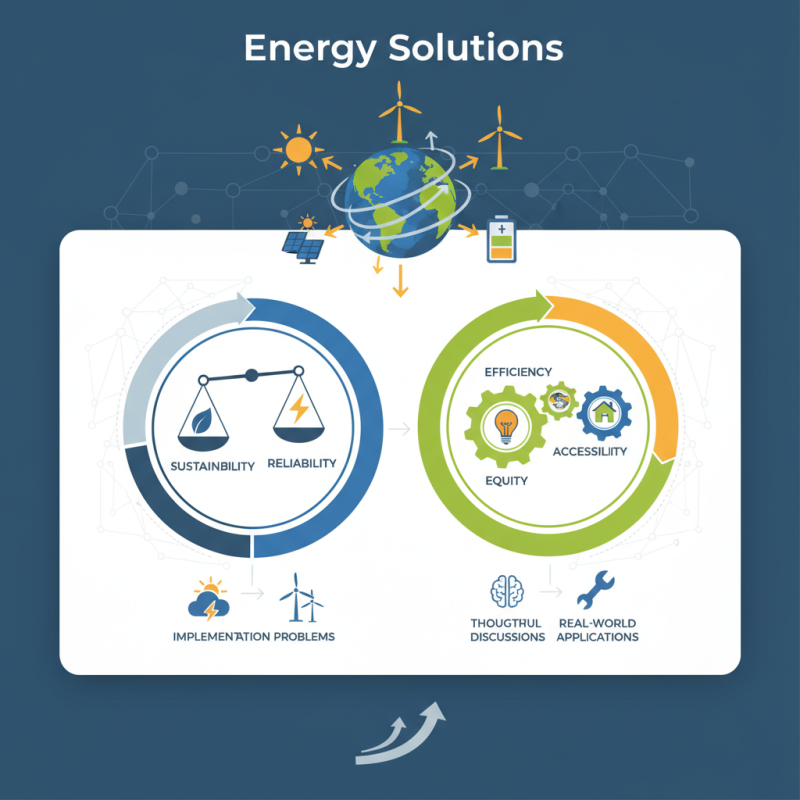
As global energy demands escalate, the search for viable energy solutions becomes crucial. According to Dr. Emily Chen, a leading expert in renewable energy technologies, “Energy solutions must balance sustainability with reliability.” This statement highlights the challenge we face today. Not every solution is perfect, and often, implementation problems arise.
Energy solutions encompass a variety of approaches, from solar and wind to innovative storage technologies. Each method comes with its own set of benefits and limitations. For instance, while solar energy reduces carbon emissions, its efficiency can wane during cloudy days. Wind energy, although renewable, can disrupt local ecosystems. We must scrutinize these aspects to find the best combinations.
The future hinges on our ability to enhance these energy solutions. We can't afford to overlook potential flaws. Innovations should address not only efficiency but also equity. Communities often face energy burdens; solutions must be accessible to all. In this evolving landscape, thoughtful discussions and real-world applications remain essential.
Definition and Overview of Energy Solutions
Energy solutions encompass a range of innovative practices and technologies aimed at producing, managing, and utilizing energy more sustainably. These methods often focus on renewable sources such as solar, wind, and hydroelectric power. The shift to these energy solutions is increasingly crucial as we face environmental challenges and the depletion of fossil fuels.
Many communities have begun to adopt energy solutions to reduce their carbon footprint. For example, homeowners are installing solar panels to generate clean energy on-site. This shift not only lowers energy bills but also contributes to a greener planet. Yet, the transition can be daunting. Not everyone understands how to effectively implement these solutions.
Tips: Start small with energy audits. Assess your energy consumption, then explore alternative energy sources step by step. Collaborate with neighbors to maximize impact. Community efforts can lead to significant changes. Experiment with energy-efficient appliances too. They can further help reduce energy use over time. Remember, every small change counts toward a sustainable future.
What is Energy Solutions and How Do They Impact Our Future? - Definition and Overview of Energy Solutions
| Energy Source |
Pros |
Cons |
Impact on Future |
| Solar Energy |
Renewable, reduces electricity bills, low environmental impact. |
High initial costs, weather dependent, requires space. |
Promotes sustainable energy use, decreases carbon footprint. |
| Wind Energy |
Renewable, low operational costs, uses land effectively. |
Intermittent energy source, potential noise issues, wildlife impact. |
Supports energy independence, contributes to job creation. |
| Geothermal Energy |
Reliable, low emissions, small land footprint. |
Location specific, high upfront costs for plants. |
Enhances energy security, offers stable prices. |
| Hydro Energy |
Renewable, reliable, and can produce a large amount of power. |
Environmental impact on aquatic life, high initial costs. |
Supports large-scale energy production, reduces reliance on fossil fuels. |
| Biomass Energy |
Uses waste materials, reduces landfill, renewable. |
Can produce emissions, requires land for crops. |
Encourages waste reduction, supports rural economies. |
Types of Energy Solutions: Renewable vs. Non-Renewable
The debate between renewable and non-renewable energy solutions is crucial for our future. Renewable energy sources, like solar and wind, are gaining traction. According to the International Renewable Energy Agency (IRENA), renewable power capacity grew by over 200 gigawatts in 2020. This reflects a global push toward cleaner energy.
Non-renewable sources, such as coal and natural gas, still dominate the energy landscape. In 2020, fossil fuels accounted for approximately 80% of total energy consumption. These resources are finite. Their depletion raises sustainability concerns.
Transitioning to renewables is not without challenges. Many regions still lack infrastructure for renewable solutions. There is a significant investment needed to upgrade systems. Additionally, some renewable technologies continue to face efficiency hurdles. While the path toward greener energy looks promising, it remains complex and requires ongoing commitment.
Impact of Energy Solutions on Our Future
The Role of Technology in Advancing Energy Solutions
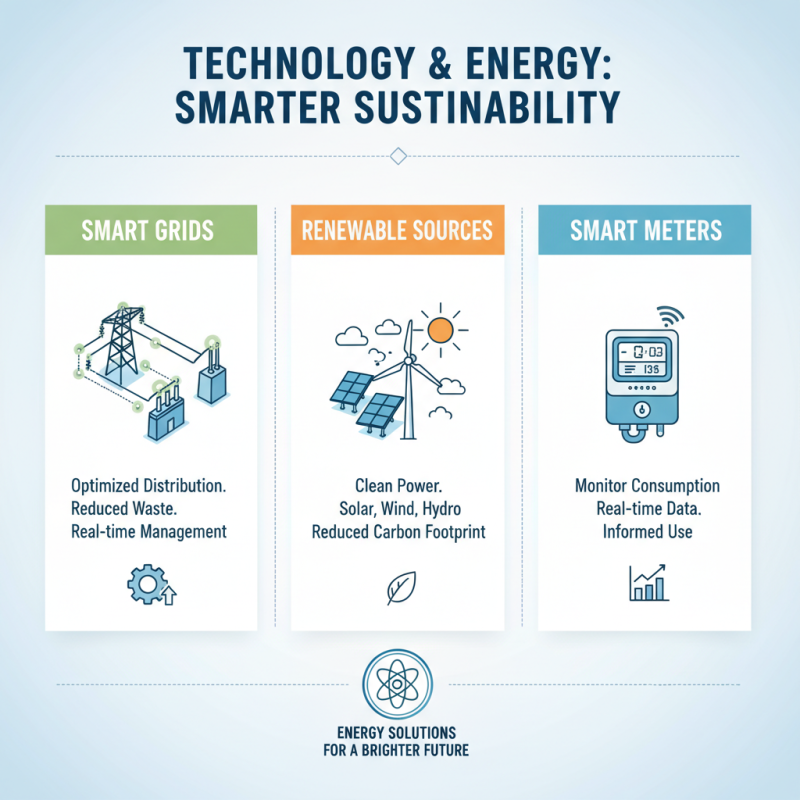
Technology plays a crucial role in shaping energy solutions. Emerging innovations drive efficiency and sustainability. From smart grids to renewable sources, technology is redefining how we consume energy. Smart meters help manage consumption. They provide real-time data that informs energy use.
Advanced energy storage systems are also vital. These systems ensure that renewable energy can be harnessed and stored for later. Without efficient storage, we face wasted potential. Yet, the current technology often falls short in scaling the solutions globally.
Renewable energy sources like solar and wind are promising. However, they require consistent technological advancements. Issues like energy loss during transmission need addressing. The integration of artificial intelligence into energy systems could offer smarter, more efficient ways to manage these complexities. Still, the question remains—are we truly ready for this shift? The path is uncertain, but technology holds the key to a sustainable energy future.
Environmental Impact of Energy Solutions on Our Planet
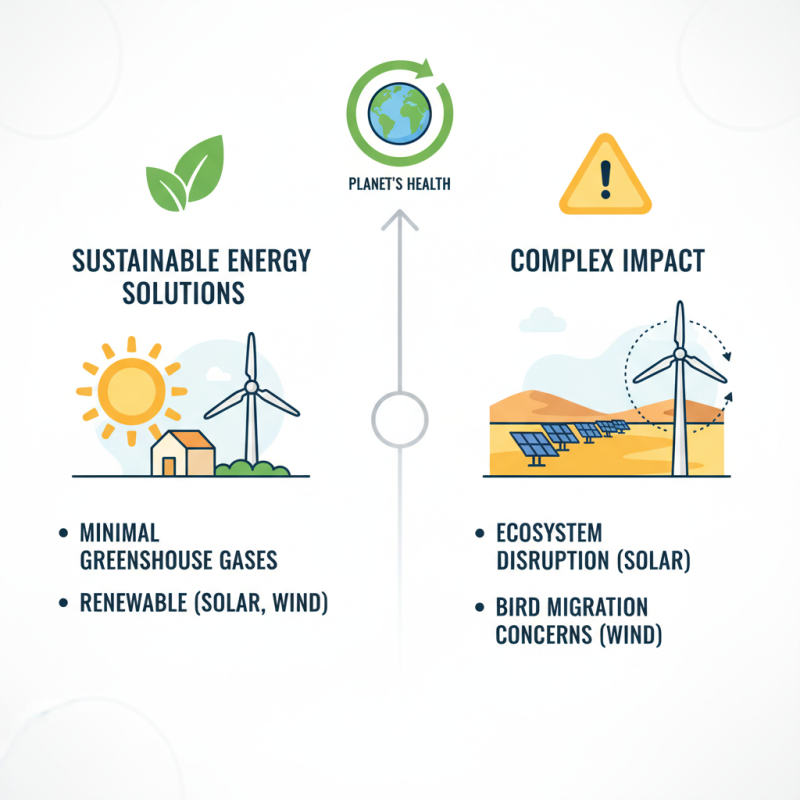
The shift toward sustainable energy solutions is crucial for our planet's health. Renewable energy sources, like solar and wind, produce minimal greenhouse gases. However, the impact of these solutions is not straightforward. For instance, large solar farms can disrupt local ecosystems. Wind turbines may affect bird migration patterns, raising concerns about biodiversity.
Energy solutions need careful planning to mitigate their environmental effects. Investing in technology that improves efficiency is essential. As we adopt these new technologies, we must also consider the lifecycle of materials used. The mining of rare earth metals has significant environmental consequences. This contradiction must be addressed as we seek greener alternatives.
Moreover, the transition to energy solutions can lead to social challenges. Communities reliant on fossil fuels may face job losses. This transition requires comprehensive support strategies. The journey towards sustainable energy is complex, filled with trade-offs and ethical dilemmas. It's vital to recognize these imperfections as we strive for a better future.
Future Trends and Innovations in Energy Solutions
The future of energy solutions is a dynamic landscape filled with potential. Innovations are emerging rapidly. Solar power is becoming more efficient. Wind energy technology is also advancing. However, not every solution is without its challenges. Energy storage remains a significant hurdle. Current batteries might not suffice for future needs.
Smart grids are gaining traction. They promise to optimize energy usage. Yet, integrating these systems poses logistical issues. Data privacy is a concern as well. Future trends suggest a shift toward decentralized energy systems. Communities may produce and manage their energy. This could enhance resilience but might disrupt existing power structures.
Emerging technologies like hydrogen fuel cells are intriguing. They could revolutionize transportation. Still, the infrastructure to support them is lacking. Research budgets are often tight. Thus, ensuring a sustainable transition requires careful planning and funding. Balancing innovation with practicality is crucial. It’s a complex puzzle, needing collaborative effort to solve.