• Cleveland QLD 4163 Find us on Facebook

  • 10 Essential Tips for Choosing Commercial Solar Solutions for Your Business

    As businesses increasingly turn to renewable energy solutions, the adoption of commercial solar systems has surged. According to the Solar Energy Industries Association (SEIA), the U.S. commercial solar market is expected to exceed 30 gigawatts (GW) of installed capacity by 2025, showcasing a remarkable growth trajectory. With energy costs continuing to rise, businesses are recognizing that investing in commercial solar is not just an environmentally responsible choice, but a financially sound decision as well.


    Industry experts underscore the importance of making informed decisions when selecting commercial solar solutions. John McNulty, a solar energy analyst at the National Renewable Energy Laboratory, emphasizes, “The key to maximizing the benefits of commercial solar lies in understanding your unique energy needs and choosing the right technology that fits your business model.” This statement highlights the necessity for businesses to assess various commercial solar options carefully, considering variables such as energy consumption, location, and available incentives, to optimize their investment.


    Navigating the complexities of commercial solar can be challenging, yet the rewards are significant. By leveraging expert insights and data-driven strategies, businesses can take advantage of the opportunities offered by commercial solar, paving the way for sustainable energy use and cost savings. With the right approach, companies can not only enhance their bottom line but also contribute to a greener planet.

    10 Essential Tips for Choosing Commercial Solar Solutions for Your Business

    Understanding Your Business's Energy Needs for Solar Solutions

    When considering commercial solar solutions, the first step is to conduct a thorough assessment of your business's energy needs. Understanding your current electricity consumption patterns, peak usage times, and seasonal variations can significantly influence your solar system design. Assessing the kilowatt-hours (kWh) your business consumes monthly helps identify the appropriate system size that will adequately meet your energy demands while maximizing efficiency.

    Additionally, it is essential to evaluate the potential for energy savings and the overall return on investment. Businesses should analyze their electricity bills and consider factors such as possible rate increases or incentives for renewable energy adoption. Consulting with solar energy experts can provide insights into how much energy your business can realistically generate, along with how to integrate solar solutions effectively into your existing infrastructure. By aligning your solar strategy with your specific energy needs, businesses can optimize their investment in solar technology, leading to long-term financial and environmental benefits.

    Evaluating Different Types of Commercial Solar Systems Available

    10 Essential Tips for Choosing Commercial Solar Solutions for Your Business

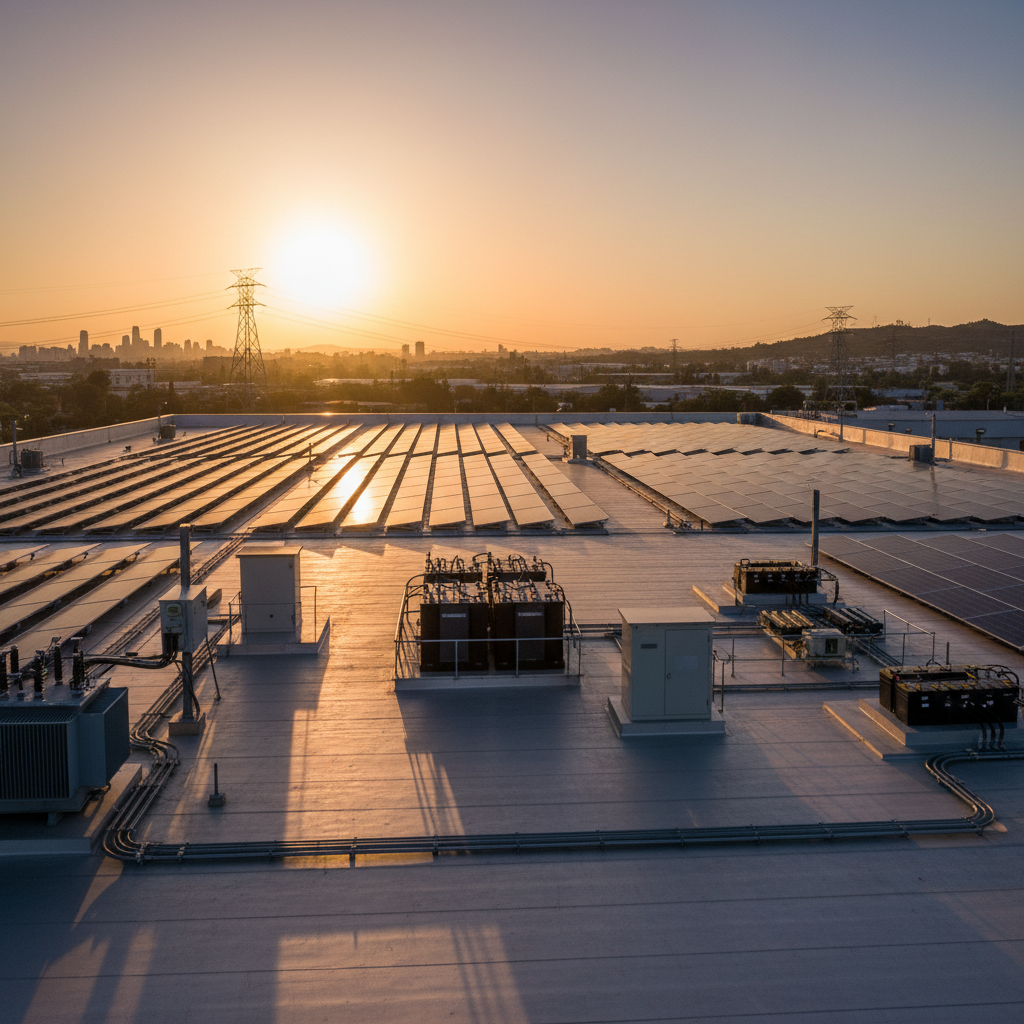
    When evaluating different types of commercial solar systems available, it's crucial to start by understanding the specific energy needs of your business. This encompasses analyzing your current energy consumption and discerning how much solar power will be required to offset these costs effectively. There are various systems, such as grid-tied, off-grid, and hybrid systems, each with its own advantages and disadvantages based on your operational requirements and location.

    Grid-tied systems are the most common for businesses, allowing you to draw power from the utility grid when solar production is low. They are typically more cost-effective and involve fewer maintenance requirements. Off-grid systems, while less common, provide complete energy independence and are ideal for remote locations. Hybrid systems offer the flexibility of both, combining grid connectivity with battery storage to ensure reliable power even during outages. Assessing your business’s unique situation and evaluating these types will help you make a well-informed decision that aligns with your sustainability goals and financial expectations.

    Analyzing the Financial Incentives and Incentives for Going Solar

    When considering commercial solar solutions for your business, financial incentives play a crucial role. With federal tax credits allowing businesses to deduct 30% of the cost of solar panel systems from their federal taxes, the potential for significant savings cannot be overstated. However, it's important to note that these incentives are set to expire soon, creating a sense of urgency for businesses looking to capitalize on these savings. Starting or expanding your solar investment before the federal tax credit deadline could mean substantial cost reductions that enhance your overall return on investment.

    Additionally, various state-level incentives enhance the financial viability of going solar. These can include rebates, low-interest financing, and grants that significantly lower the upfront costs associated with solar installations. For businesses, tapping into these incentives not only reduces initial expenditures but also aids in long-term budgeting by stabilizing energy costs. As the transition to solar becomes more pressing, evaluating these financial incentives will be key to making a well-informed decision that positions your business for sustainable growth and energy independence.

    Assessing the Reliability and Reputation of Solar Providers

    When selecting a commercial solar provider, assessing their reliability and reputation is paramount. Start by investigating the company's track record through customer reviews and case studies. Look for testimonials from businesses similar to yours, as these can provide insight into how effectively the provider meets client needs. Independent review sites and industry forums can also offer a glimpse into the provider’s reliability. A company with a solid history of customer satisfaction and successful projects is likely to deliver consistent service.

    Additionally, it's crucial to evaluate the provider's industry certifications and affiliations. Reputable solar companies often have certifications from organizations such as the North American Board of Certified Energy Practitioners (NABCEP). These accreditations indicate a commitment to high standards and excellence in solar solutions. Furthermore, inquire about their warranty and maintenance offerings to understand their long-term support capabilities.

    A trustworthy provider is one that stands behind their products and services, ensuring peace of mind for your business as you make the transition to solar energy.

    Considering Long-Term Maintenance and Support for Solar Installations

    10 Essential Tips for Choosing Commercial Solar Solutions for Your Business

    When selecting commercial solar solutions for your business, it is crucial to consider the long-term maintenance and support that will be required for your solar installations. Understanding maintenance needs is essential to ensure that your solar system operates at peak efficiency over its lifespan. Regular inspections and cleaning can prevent performance declines caused by dust or debris accumulation, while timely repairs can address issues before they escalate into costly problems.

    In addition to maintenance, support services from your solar provider play a significant role in the overall success of your solar investment. Consider the availability of customer support and technical assistance for troubleshooting and repairs. A reputable solar provider should offer comprehensive service agreements that not only cover maintenance but also provide warranties to protect against equipment failure. This long-term support can enhance your confidence in the solar solution you choose, ultimately leading to sustainable energy savings and operational reliability for your business.