10 Essential Tips for Choosing the Right Solar Power System for Your Home
As the demand for sustainable energy solutions continues to grow, many homeowners are turning to solar power systems as a viable option for reducing energy costs and minimizing their carbon footprint. Choosing the right solar power system, however, can be a daunting task, given the myriad of options available in the market today. From assessing your energy needs to understanding the different types of solar panels and inverters, the decision-making process requires careful consideration.
In this guide, we will explore ten essential tips to help you select the best solar power system for your home. Whether you're an environmentally conscious consumer looking to lessen your dependence on fossil fuels or simply seeking to enhance the value of your property, these insights will provide the foundational knowledge necessary to make an informed choice. By understanding the key factors that influence the installation and performance of solar power systems, you can ensure that your investment pays off in the long run while contributing to a more sustainable future.
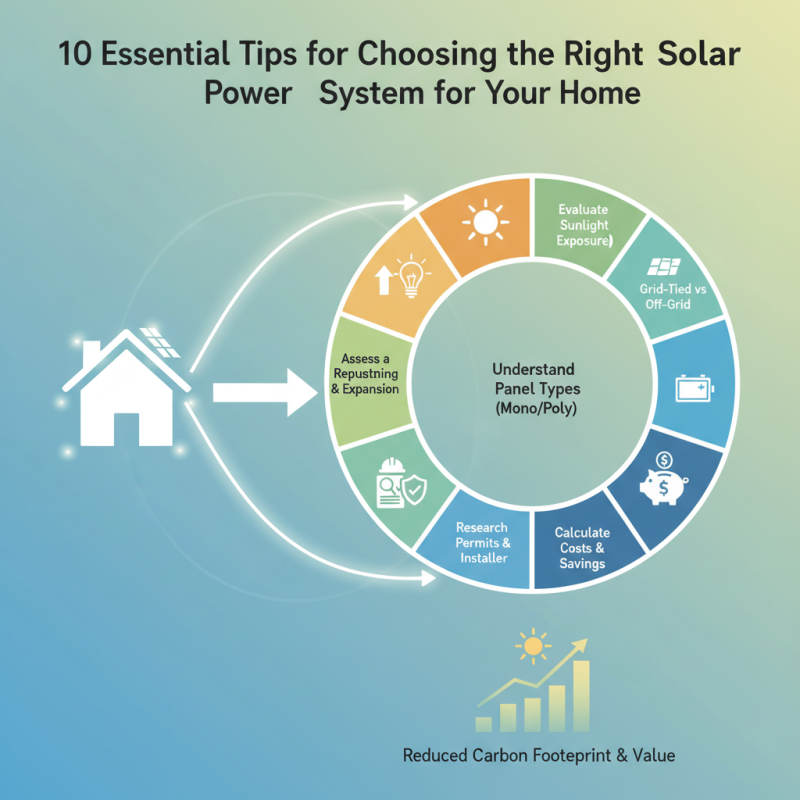
Understanding Your Home's Energy Needs for Solar Power
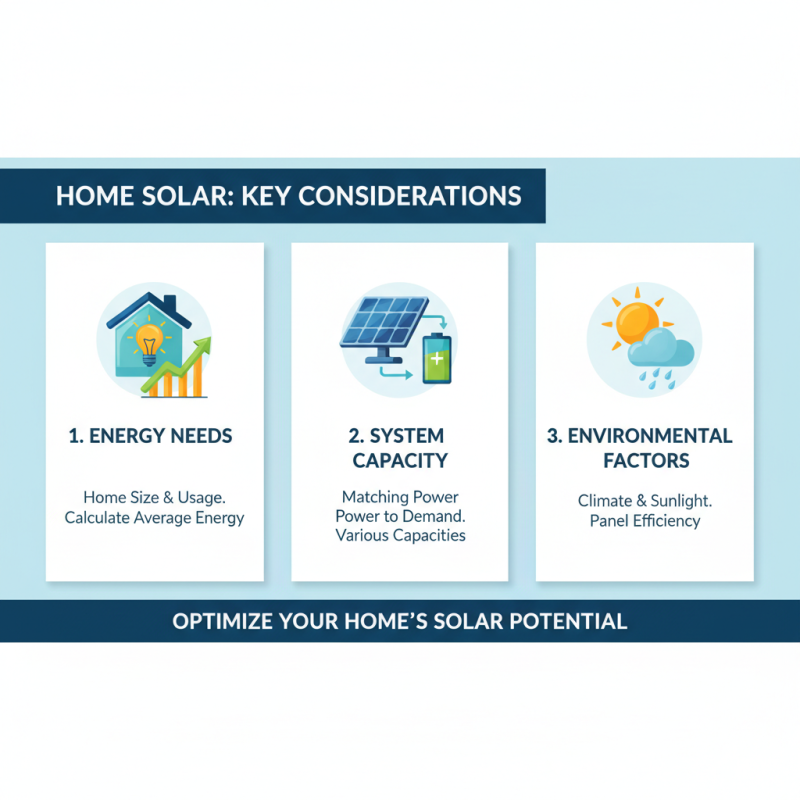
Understanding your home's energy needs is a crucial first step in selecting the right solar power system. Begin by evaluating your monthly energy consumption, which is typically reflected in your utility bills. Look for patterns in your usage, noting peak months where you may consume more energy, and consider any future changes, such as the addition of appliances or an electric vehicle. This data will provide a clearer picture of how much energy your solar system needs to generate to support your lifestyle.
Next, consider the efficiency of your home’s energy use. Assess how well-insulated your home is, as this will impact your overall energy requirements. Implementing energy-efficient practices, such as using LED lighting and energy-saving appliances, can reduce your energy consumption and minimize the size of the solar system you’ll need. Additionally, evaluating your roof space and its orientation towards the sun will help determine how many solar panels can be installed, further influencing your energy needs and potential solar output. Understanding these factors will empower you to make informed decisions for a solar power solution that effectively meets your household's unique energy demands.
Energy Needs for Solar Power: A Breakdown
Evaluating Different Types of Solar Power Systems Available
When evaluating different types of solar power systems available for your home, it’s important to consider several key factors. First and foremost, you should assess the size of your home and your energy requirements. Different solar systems come in varying capacities, so calculating your average energy usage can help determine the appropriate system size. Additionally, factors such as local climate and sunlight exposure will influence the efficiency of your solar panels.
When choosing a solar power system, one critical tip is to look for the type of solar technology that best suits your needs. For instance, monocrystalline panels are known for their high efficiency and aesthetics, while polycrystalline panels offer a more budget-friendly option at the cost of slightly lower efficiency. Furthermore, thin-film solar panels can be a space-efficient solution, particularly suited for unconventional installations.
Another essential tip is to consider the installation and maintenance aspects of the solar power system. Look for systems that offer warranties and require minimal upkeep to ensure long-term performance. Working with experienced professionals who can provide a reliable installation service can also make a significant difference in the overall effectiveness of your solar setup. Prioritizing these factors will help you make an informed decision when selecting the right solar power system for your home.
Assessing Initial Costs and Long-Term Savings of Solar Installations
When assessing the financial implications of installing a solar power system in your home, the initial costs are often the first consideration. These costs can vary significantly based on the size of the solar installation, the type of panels selected, and any additional equipment like inverters or battery storage. Homeowners should conduct a thorough analysis of these expenses, including installation charges, to create a realistic budget. Furthermore, it is beneficial to investigate available incentives, rebates, or financing options that can help alleviate some upfront costs.
Long-term savings should be the focal point when evaluating the overall value of a solar power system. While the initial investment can be substantial, many homeowners find that the reduction in monthly utility bills can lead to significant savings over time. Additionally, solar systems can increase property value, providing an added financial benefit during resale. It is crucial to estimate long-term savings by considering the estimated lifespan of the solar panels, their efficiency over time, and potential changes in electricity rates. This comprehensive approach will help homeowners make informed decisions that align with their financial goals while also contributing to energy sustainability.
Choosing the Right Installer: Qualifications and Recommendations
When selecting a solar power system for your home, one of the most critical steps is choosing the right installer. A qualified installer not only ensures that your system is installed correctly but also helps you maximize the efficiency and longevity of your investment in renewable energy. To begin your search, look for certifications and licenses relevant to solar installation. Recognized certifications, like those from professional solar organizations, indicate that the installer has undergone rigorous training and adheres to industry standards.
Additionally, seeking recommendations from friends, family, or online reviews can provide valuable insights into the installer’s reliability and quality of work. Don’t hesitate to ask potential installers for references and examples of previous projects. A reputable installer should be able to provide you with a portfolio of past work and testimonials from satisfied customers. Engaging in thorough discussions with multiple installers also allows you to compare not just their qualifications, but also their approach to service, warranty offers, and after-installation support. These factors collectively influence your solar system's performance and your overall satisfaction with the investment.
10 Essential Tips for Choosing the Right Solar Power System for Your Home - Choosing the Right Installer: Qualifications and Recommendations
| Tip Number |
Tip |
Suggested Qualifications |
Recommendations |
| 1 |
Research Local Installers |
Local License, Insurance |
Ask for community recommendations |
| 2 |
Check Experience |
Minimum 5 years in business |
Look for prior projects |
| 3 |
Read Customer Reviews |
Online Rating Platforms |
Trustpilot, Yelp |
| 4 |
Look for Certifications |
NABCEP Certification |
Verify on NABCEP website |
| 5 |
Get Multiple Quotes |
At least 3 different installers |
Compare prices and packages |
| 6 |
Evaluate Warranty Options |
Product and Workmanship Warranty |
Check warranty duration |
| 7 |
Assess Quality of Equipment |
Tier 1 Solar Panel |
Research panel efficiency ratings |
| 8 |
Understand the Installation Process |
Detailed Project Timeline |
Inquire about permits and inspections |
| 9 |
Check After-Sales Service |
Post-Installation Support |
Clarify contact details for support |
| 10 |
Trust Your Instincts |
Comfort Level with Installer |
Go with your preferred choice |
Exploring Incentives and Rebates for Solar Power Systems
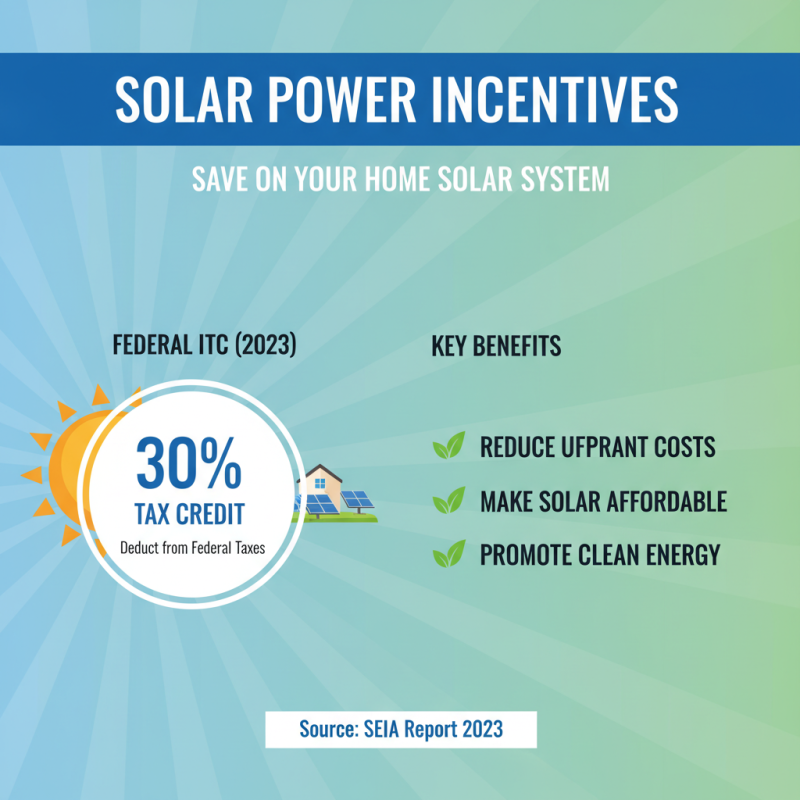
When considering the installation of a solar power system for your home, understanding the available incentives and rebates can significantly reduce upfront costs. According to a report by the Solar Energy Industries Association (SEIA), as of 2023, the Federal Investment Tax Credit (ITC) allows homeowners to deduct 30% of the cost of their solar system from federal taxes. This credit not only enhances the affordability of solar energy but also encourages wider adoption of renewable energy solutions across the nation.
In addition to federal incentives, many states offer their own rebate programs and tax credits. For instance, states like California and New York have enacted initiatives that provide cash rebates based on the size and capacity of the installed solar power system. The Database of State Incentives for Renewables & Efficiency (DSIRE) reports that over 200 different programs exist across the U.S. that can help homeowners save thousands on their solar investment. Combined, these financial incentives can lead to a significant decrease in payback periods for solar installations, often making them financially viable much sooner. Ultimately, leveraging these incentives not only makes solar more accessible but also contributes to a larger movement towards sustainable energy practices.