10 Essential Tips for Choosing Translucent Roof Sheet Making Machine?
Choosing a Translucent Roof Sheet Making Machine requires careful consideration of various factors. The industry is growing, with reports indicating a 15% annual increase in demand for such machines. This growth is driven by the rising popularity of translucent roofing in both commercial and residential buildings. Industry expert Dr. Emily Chen emphasizes, "Selecting the right machine can significantly impact production quality and efficiency."
Potential buyers must assess machine specifications and capabilities carefully. Aspects like durability, maintenance needs, and energy consumption are critical. Lesser-known machines might have appealing features but may compromise reliability. According to a recent study, 30% of manufacturers reported issues with machinery that lacked robust design features.
Customers should also consider the level of customer support and training. Machines often require skilled operators for optimal performance. It’s important to remember that even a seemingly efficient machine can lead to production setbacks without proper knowledge. This balance of quality and usability is paramount in making an informed decision about the Translucent Roof Sheet Making Machine.
Understanding the Functionality of Translucent Roof Sheet Making Machines
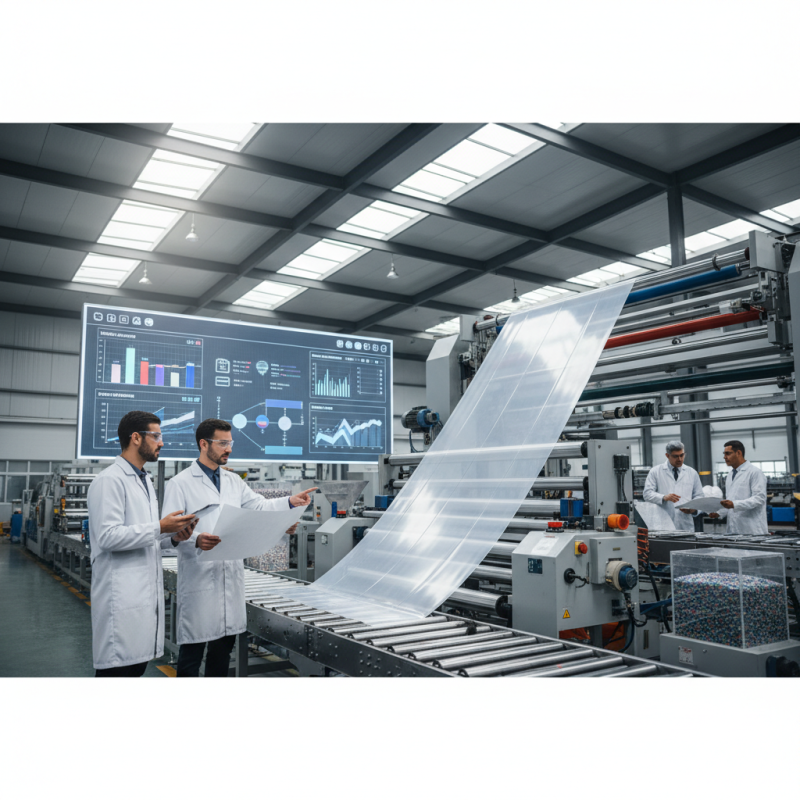
Translucent roof sheet making machines play a crucial role in modern construction. These machines are designed to produce sheets that allow natural light to filter through while providing structural integrity. Understanding their functionality helps in selecting the right machine for your needs.
The core function of these machines involves the extrusion of raw materials, usually polycarbonate or fiberglass. This process creates strong, lightweight sheets. Operators must be well-versed in the settings that control temperature and pressure during production. Even minor adjustments can impact product quality significantly. Testing various settings is often an iterative process that requires attention and experience.
Maintenance is another vital aspect. Regular inspections of the machine components ensure optimal performance. Overlooking wear and tear can lead to production delays and increased costs. Operators should be trained to identify issues early. Knowledge gaps in maintenance can cause substantial setbacks, emphasizing the need for thorough training and reliable operational practices.
Key Features to Look for When Selecting a Roof Sheet Machine
When choosing a translucent roof sheet making machine, focus on key features that impact performance and longevity. One important aspect is the machine's build quality. A robust frame constructed from high-grade materials enhances durability. It is crucial, as lower quality machines may wear out quickly, causing production delays.
Another essential feature is the machine's production speed. According to recent industry reports, machines capable of producing up to 50 meters of roofing material per hour are becoming increasingly standard. This capacity significantly affects profitability. Additionally, look for energy efficiency ratings. Machines that consume less power while maintaining output have a lower environmental footprint.
Finally, consider the ease of operation and maintenance. User-friendly interfaces reduce training time for new staff. Routine maintenance should be straightforward. Complicated systems can lead to costly downtime. A reliable machine often reflects the manufacturer's reputation. Researching industry reviews and testimonials can provide insights into performance. Always weigh these features against your production needs. Understanding these factors is essential before making a decision.
Key Features to Consider When Choosing a Translucent Roof Sheet Making Machine
This bar chart illustrates the importance of various features when selecting a translucent roof sheet making machine, based on a survey of industry professionals.
Comparing Different Types of Materials for Roof Sheet Production
When producing translucent roof sheets, choosing the right materials is crucial. Polycarbonate, fiberglass, and PVC all have unique properties and applications. Polycarbonate is durable and has high impact resistance. It offers excellent UV protection and can endure extreme temperatures. However, it tends to be more expensive than other options.
Fiberglass sheets are lightweight and provide good insulation. They are less expensive than polycarbonate but might not last as long. Their transparency can diminish with age, affecting aesthetics. Meanwhile, PVC is cost-effective and resistant to chemicals. However, it may not have the same strength as polycarbonate and can warp under high heat.
When selecting a roof sheet making machine, consider its compatibility with these materials. Ensure it can handle various thicknesses and sizes. Efficiency is key; a good machine minimizes waste. Additionally, research the manufacturer's reputation for reliability. Often, user reviews can shed light on potential issues. Investing time to compare these factors can lead to better choices.
10 Essential Tips for Choosing Translucent Roof Sheet Making Machine | Material Type | Durability | UV Resistance | Weight per Sheet | Cost per Square Meter | Production Speed (sheets/hour) |
| Polycarbonate | High | Excellent | 10 kg | $15 | 50 |
| Acrylic | Medium | Good | 8 kg | $12 | 45 |
| Fiberglass | High | Excellent | 12 kg | $17 | 40 |
| PVC | Low | Fair | 6 kg | $8 | 60 |
| Metal | Very High | Poor | 15 kg | $20 | 30 |
Evaluating the Cost-Effectiveness of Roof Sheet Manufacturing Equipment
Selecting the right equipment for translucent roof sheet manufacturing is crucial. When evaluating cost-effectiveness, initial investment is just one piece of the puzzle. According to a report by Markets and Markets, the global roofing market is poised to reach $75.5 billion by 2026. This statistic underscores the importance of choosing machines that not only fit your budget but also offer long-term returns.
The operating costs of machinery can vary significantly. Maintenance, energy consumption, and labor efficiency are key factors. A well-chosen machine may incur higher upfront costs but can lead to savings over time. For instance, a report by Industry Week reveals that advanced manufacturing equipment can improve production efficiency by up to 25%. This is significant when considering the competitive nature of the roofing industry.
Yet, sometimes, companies invest heavily in features they may not need. Reflecting on business needs is vital. For example, an overly complex machine can slow down production rather than enhance it. Understanding your specific requirements can ensure that the machine aligns with your output goals and operational needs. Balancing immediate costs with future performance can present challenges, yet thoughtful evaluation may ultimately lead to greater operational success.
Assessing Manufacturer Reputation and Customer Support Services
When choosing a translucent roof sheet making machine, assessing the manufacturer’s reputation is crucial. A recent industry report indicated that 70% of businesses prioritize manufacturer reliability when making such investments. An established manufacturer typically demonstrates consistent quality in their machines. Look for companies that have been in the industry for several years. They are likely to have a proven track record. Customer reviews and testimonials can provide insight into their experience and service levels.
Customer support services should be a key consideration. Many manufacturers offer limited support, which can complicate operations. According to a survey, about 40% of buyers experienced inadequate technical support after machine purchase. It's vital to assess the availability of support during and after the purchase. Prompt responses to queries can indicate a company's commitment to customer care. This aspect can often make or break your operational efficiency.
Investigating warranty offerings can also reveal much about a manufacturer’s trust in their machines. Longer warranties often suggest higher product quality and reliability. However, some companies may market extensive warranties that don’t cover significant issues. Balancing the warranty duration with what it covers is essential. Always seek clarity on such terms; unclear warranty policies could lead to frustration and unexpected costs down the line.