What is Home Solar Energy and How Can It Save You Money?
Home solar energy has become a pivotal topic in recent years. According to the U.S. Department of Energy, solar energy accounts for nearly 4% of total electricity generation in the United States. This figure is steadily rising, reflecting a growing trend toward renewable energy sources. Homeowners are increasingly turning to solar panels as a viable method to reduce utility bills and promote sustainability.
The Solar Energy Industries Association (SEIA) reported that the residential solar market grew by 23% in 2020, despite the pandemic. This growth highlights not just the demand but also the financial benefits of home solar energy. Many households have saved thousands annually by investing in solar technology. While the initial costs can seem daunting, tax credits and rebates significantly reduce financial burdens.
However, it is essential to address potential drawbacks. Some homeowners may face challenges, such as roof compatibility or financing options. Additionally, solar energy production can be inconsistent depending on location and weather. Critical evaluation and thorough research are necessary for making informed decisions. Nevertheless, the advantages of home solar energy can outweigh the challenges, paving the way for a more sustainable future.
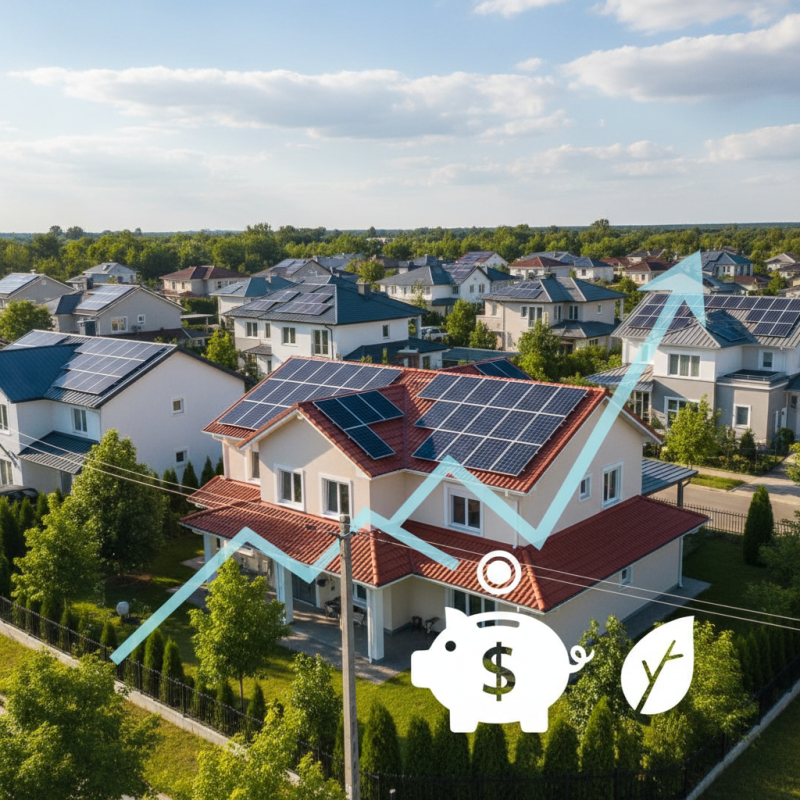
Understanding Home Solar Energy: Definition and Basics
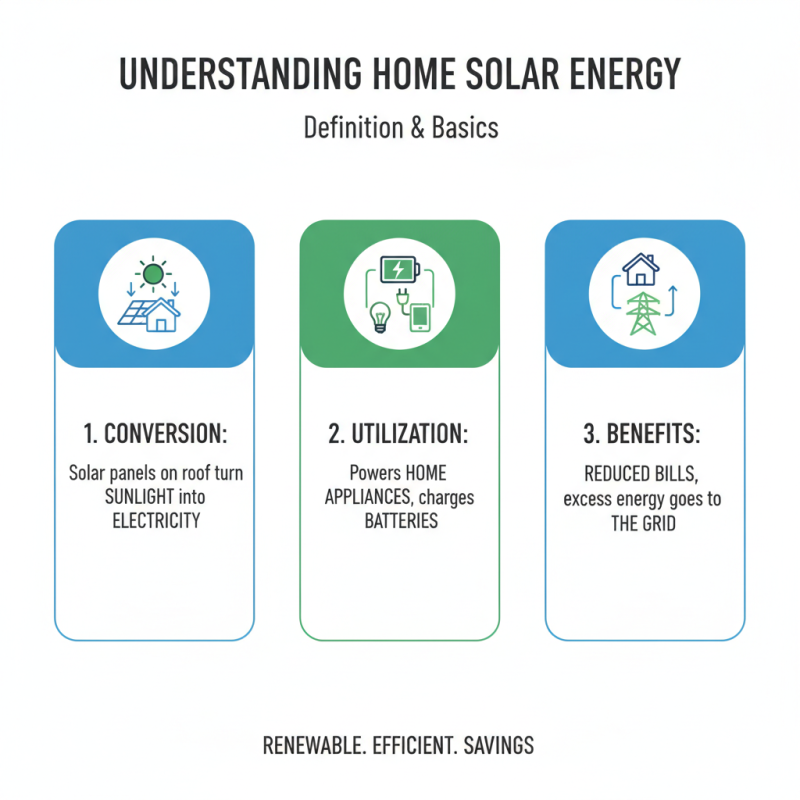
Home solar energy refers to the use of solar panels to convert sunlight into electricity for residential consumption. This renewable energy source can reduce monthly utility bills significantly. Solar panels harness energy from the sun during daylight. The generated electricity can power appliances, charge batteries, and even supply energy back to the grid.
Understanding the basics of home solar energy is crucial for homeowners. Solar energy systems can vary in size and capacity. Some homes may benefit from a simple system, while others need a more robust setup. It's essential to assess how much energy your household consumes. This knowledge helps determine the right system for you. Local climate and geographical location also play significant roles in energy efficiency.
Despite the benefits, there are challenges. Initial installation costs can be high, which may deter some homeowners. Additionally, inconsistent sun exposure may affect energy production. Planning and research are vital to ensure a system that meets your needs. Transitioning to solar can be complex, but the long-term savings can be substantial. Consider consulting with energy experts to navigate the process effectively.
The Benefits of Home Solar Energy: Cost Savings Explained
Home solar energy is becoming an attractive option for many homeowners. The cost-saving benefits can be significant. According to the U.S. Department of Energy, residential solar systems can save homeowners an average of $10,000 to $30,000 over 20 years. This number varies based on electricity rates, system size, and energy consumption patterns.
Switching to solar can decrease or eliminate your electricity bill. In regions with high sunlight exposure, such as California and Arizona, savings are even more pronounced. During peak hours, energy prices can spike. Solar panels help you generate your own electricity. Some households report savings of 50-100% on their utility bills. However, initial installation costs can be a barrier for some. Not all homes have optimal conditions for solar. Roof orientation, shading, and local regulations play essential roles.
Tax incentives further enhance the financial viability of solar energy. The Federal Solar Investment Tax Credit allows homeowners to deduct 26% of the installation cost from their federal taxes. Many states also offer additional rebates. Nonetheless, not all financial scenarios will favor solar. It's crucial to evaluate your current energy usage and local energy prices before making the jump. Careful analysis can lead to informed decisions about this sustainable energy source.
Benefits of Home Solar Energy: Cost Savings Explained
Investing in home solar energy can lead to significant financial benefits over time. The bar chart illustrates an example analysis showing the initial investment cost, annual savings, and payback period in years. By going solar, homeowners can reduce their energy bills and achieve savings in the long run.
Initial Investment vs. Long-term Savings: A Financial Perspective
Investing in home solar energy requires careful financial consideration. The initial cost can seem daunting. Installation fees, equipment purchases, and permits add up quickly. Many homeowners are concerned about recouping these costs. However, it’s essential to look beyond the upfront expenses.
Long-term savings can be significant. Solar panels can reduce electric bills substantially, sometimes up to 70%. This means homeowners can save thousands over the system's lifespan, often 25 years or more. Energy independence is another critical factor. As utility rates rise, reliance on solar can buffer homeowners from price hikes.
Yet, challenges exist. Maintenance costs and potential inefficiencies in energy production should be weighed. Additionally, not every home is suitable for solar due to shading or roof orientation. Evaluating these factors is crucial before deciding to invest. With careful planning and realistic expectations, focusing on long-term benefits may reveal the financial wisdom behind adopting solar energy.
How Home Solar Energy Systems Work: Key Components and Functionality
Home solar energy systems harness sunlight to generate electricity. They are made up of key components like solar panels, inverters, and batteries. Solar panels convert sunlight into direct current (DC) electricity. Then, the inverter transforms this DC into alternating current (AC) electricity. This AC electricity powers home appliances and lights.
Batteries play a vital role in storing excess energy generated during sunny days. When the sun sets, these batteries supply energy, reducing reliance on the grid. Challenges arise when homeowners underestimate storage needs. Proper sizing is essential for efficiency, yet many overlook this aspect. Maintenance is another critical factor. Regular cleaning and occasional inspections can enhance system performance, yet some homeowners neglect them.
Understanding these components helps homeowners make informed decisions. Investing in quality systems can lead to significant savings. However, choosing the right setup requires careful consideration. Without this knowledge, savings can easily become just a dream. Embracing solar energy is a journey with ups and downs.
Government Incentives and Rebates for Home Solar Energy Users
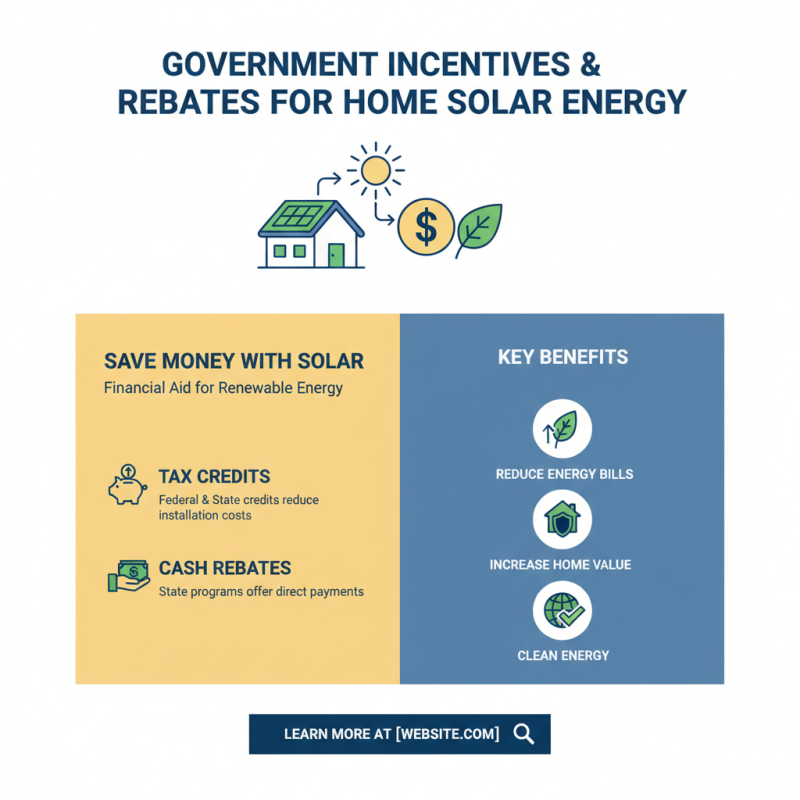
Government incentives and rebates can significantly reduce the cost of installing home solar energy systems. These financial aids aim to encourage homeowners to utilize renewable energy. Many states offer tax credits, which can cover a substantial portion of the installation expense. Some homeowners may qualify for state-sponsored rebate programs that offer cash incentives for solar panel installation.
In addition to state incentives, federal programs provide tax deductions for solar energy systems. The investment tax credit (ITC) allows homeowners to deduct a percentage of the solar system's cost from their federal taxes. This can lead to significant savings over time. However, navigating these options can be complex. Homeowners must research and ensure they meet specific eligibility requirements.
Furthermore, the process often requires thorough documentation. Many forms and deadlines exist, and missing one could delay potential savings. Consulting with professionals can help, yet it might incur additional costs. Understanding how to take full advantage of these incentives is crucial for maximizing savings and embracing solar energy.