Hydrogen Refueling Stations at the 2026 Canton Fair Insights?
The 2026 Canton Fair is set to be a pivotal moment for the Hydrogen Refueling Station industry. As governments push for greener technologies, this fair provides a unique opportunity for stakeholders. Dr. Emily Tran, an expert in hydrogen energy, stated, "The future of mobility relies on robust hydrogen infrastructure."
As we witness the shift towards sustainable energy, the importance of Hydrogen Refueling Stations becomes evident. During the fair, businesses will showcase innovative technologies and solutions. These advancements could redefine transportation efficiency. Exhibitors will likely demonstrate new refueling techniques and infrastructure designs.
However, challenges remain. The integration of Hydrogen Refueling Stations into existing networks is complex. This event will also highlight the gaps in current technologies. The spotlight on hydrogen could inspire collaboration and innovation within the industry. The stakes are high, and the potential benefits promise a greener future for all.
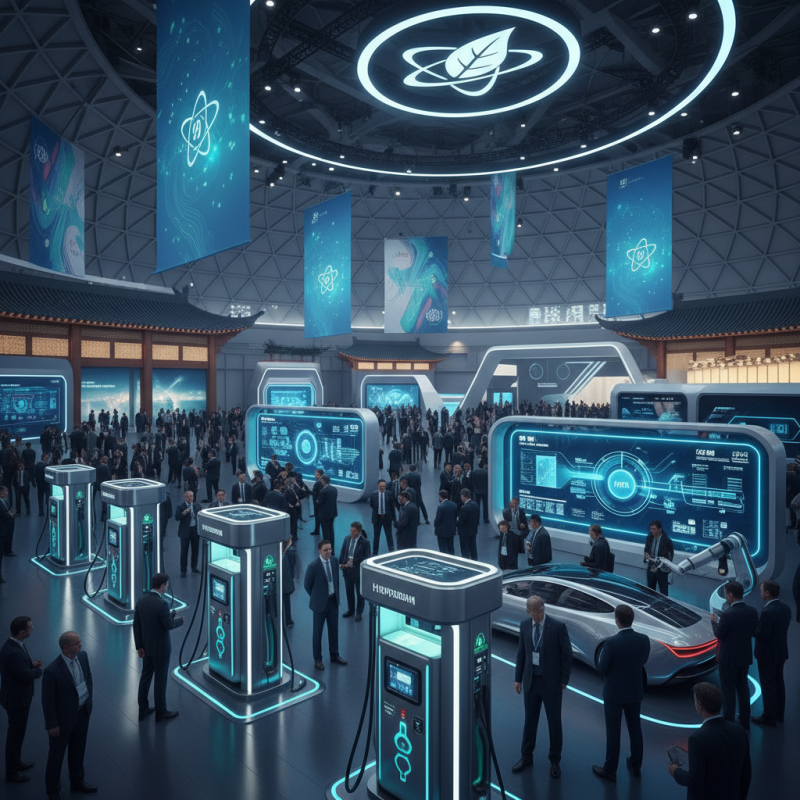
Overview of Hydrogen Refueling Stations
Hydrogen refueling stations are an emerging necessity in today’s automotive landscape. These stations provide an essential service for hydrogen fuel cell vehicles. Their design often includes specialized pumps and storage tanks. Many of them share features with traditional gas stations. However, the technologies differ significantly.
Despite the advancements, challenges remain. The infrastructure for hydrogen refueling is limited. Many regions lack access, which hinders growth. Additionally, safety concerns around hydrogen storage technology must be addressed. Educating the public about these stations is crucial. Awareness can foster acceptance and increase usage.
Operators of these stations face obstacles. Maintenance of advanced equipment can be costly. Such operational challenges require thoughtful solutions. The technology is not yet fully optimized, which can lead to inefficiencies. Stakeholders need to invest in research. Innovative approaches could yield better results. Encouraging collaboration among entities might drive improvements.
Current Technologies in Hydrogen Refueling
Hydrogen refueling stations are gaining attention, especially with the upcoming 2026 Canton Fair. This event will showcase innovations in hydrogen fuel technology. These stations are vital for promoting cleaner energy solutions. They support hydrogen-powered vehicles that produce zero emissions.
Current technologies focus on efficiency and safety. Advanced electrolyzers are used to produce hydrogen from water. These devices convert energy using renewable sources. Compression techniques are also evolving. They play a crucial role in storing hydrogen safely. However, the infrastructure is still developing. Many areas lack adequate refueling stations. This raises questions about accessibility for potential users.
The advances are exciting but not without challenges. Safety measures need continuous improvement. Public perception of hydrogen is still mixed. Some consider it risky due to past incidents. Each new project must address these concerns. Creating understanding among communities is essential. Only then can hydrogen fuel truly thrive in the market.
Market Trends and Growth Potential
The hydrogen refueling station market is gaining momentum. According to a recent report by the International Energy Agency, the number of hydrogen fueling stations is expected to surpass 500 globally by 2025. This growth represents a significant shift towards sustainable energy solutions. The 2026 Canton Fair will showcase this trend, highlighting the increasing interest from manufacturers and investors alike.
Market trends indicate that the demand for hydrogen refueling stations is closely tied to the adoption of fuel cell vehicles. In Europe, hydrogen fuel consumption is projected to reach 4.5 million tons per year by 2030. This growth underscores the vital role of infrastructure development. Increasing collaboration among governments and private sectors is essential for scaling up the number of stations.
**Tips:** Investing in user-friendly technology at stations can enhance customer experience. Creating strategic partnerships may help mitigate risks. The market is still in its infancy, and challenges remain, such as regulatory hurdles and high initial investment costs. However, as public awareness increases, the potential for growth remains substantial.
Hydrogen Refueling Stations Growth Trends (2021-2026)
Regulatory and Safety Considerations
The presence of hydrogen refueling stations at the 2026 Canton Fair opens up significant discussions about regulatory and safety considerations. Safety protocols must be a priority. Adequate training for staff is essential. Clear guidelines are necessary for handling hydrogen safely. Appropriate signage should be visible at all stations. Each refueling station must comply with local regulations.
Regulations surrounding hydrogen use can vary greatly. Not all areas may have the same standards. Continuous updates to safety measures will be crucial. Regular inspections could help maintain safety compliance. Will existing infrastructure be up to the task? Potential weaknesses in the system require a thorough assessment. The need for emergency response plans is undeniable. Immediate actions can mitigate risks.
Thoughtful layout and design of stations will also matter. Spaces should minimize hazards and enhance safety. Awareness of potential public concerns is critical. Addressing these fears transparently can foster community trust. Testing procedures should reflect real-world scenarios. Regular drills could prepare staff for emergencies, ensuring swift responses. Balancing innovation with safety can be challenging but essential. A proactive approach to safety and regulation will create a positive environment for hydrogen-fueled vehicles.
Future Prospects at the 2026 Canton Fair
As the 2026 Canton Fair approaches, hydrogen refueling stations are becoming a focal point. This technology offers a cleaner alternative to traditional fuels. Attendees will likely witness innovative designs and solutions for hydrogen infrastructure. The potential for growth in green energy is significant. However, challenges remain.
Investors might question the reliability of hydrogen supply chains. There's a need for more research on efficiently producing and storing hydrogen. The fair will showcase various initiatives but will also highlight where improvements are necessary. Networking opportunities can aid in addressing these gaps.
Looking ahead, the success of hydrogen refueling stations hinges on collaboration. Stakeholders must unite to refine technologies and policies. Insights gathered from the fair could shape future projects. However, only time will tell if these efforts lead to sustainable advancements. The road ahead is filled with possibilities and uncertainties.