What is a Kitchen Towel Machine Production Line and How to Choose?
In the fast-paced world of manufacturing, the Kitchen Towel Machine Production Line has become an essential component. Experts agree that the choice of machinery can significantly affect production efficiency. John Smith, a recognized expert in the field, emphasizes, "Selecting the right Kitchen Towel Machine Production Line can make or break your business."
When businesses consider investing in this production line, they face crucial decisions. Various factors need careful evaluation. From raw material types to automation levels, everything contributes to the production outcome. Many companies overlook the importance of understanding their specific needs. This oversight can lead to inefficiencies and higher costs.
Additionally, market trends and consumer demands continuously evolve. Companies must stay updated. The right equipment enables them to adapt quickly. However, purchasing decisions should not be rushed. Often, businesses regret not investing time in research. Making informed choices can lead to long-term success in the competitive kitchen towel market.
Understanding Kitchen Towel Machine Production Line Basics
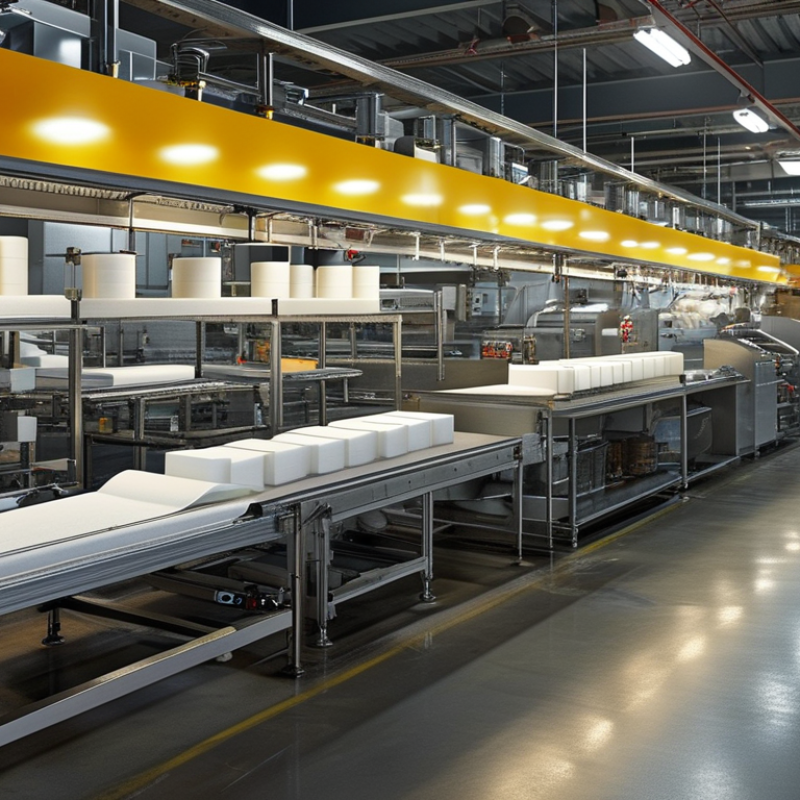
A kitchen towel machine production line is essential for producing high-quality kitchen towels efficiently. This line typically consists of various equipment components, including unwinders, embossing machines, and packing units. These machines work in tandem, providing seamless production and reducing waste. According to a recent industry report, the demand for kitchen towels has surged by 15% over the past year, emphasizing the need for streamlined production processes.
Understanding the basics of a kitchen towel machine production line involves recognizing its components. First, the unwinding station feeds raw materials into the line. Next, the embossing machine creates texture, enhancing aesthetics and absorbency. Then, the cutting and folding units prepare the towels for packaging. Reports indicate that efficient production can lower operational costs by up to 20%. However, not all production lines are equal, and companies often overlook the importance of maintenance and regular upgrades.
Choosing the right production line requires careful consideration of these factors. It’s not just about the initial investment but also about scalability and adaptability. Many manufacturers face challenges in optimizing outputs as market demands change. Identifying the right technology can significantly impact overall efficiency. Regularly reviewing workflow and production metrics helps ensure a reliable operation.
Key Components of a Kitchen Towel Machine Production Line
A kitchen towel machine production line is a sophisticated setup designed for manufacturing kitchen towels efficiently. It consists of various key components that work together seamlessly. One vital part is the unwinding section, where raw materials are fed into the system. Ensuring smooth material flow here prevents jams. An uneven feed could lead to production delays, an aspect worth monitoring.
The next crucial element is the folding mechanism. This section ensures that the towels are folded correctly for packaging. Inconsistent folds may impact the appearance and usability of the towels. It can confuse workers and lead to reworking. Additionally, the drying unit plays a significant role in the final product's quality. Insufficient drying can lead to damp towels, raising concerns about hygiene.
Another important feature is the packaging system. It efficiently wraps and seals the finished products. A poorly aligned packaging process can slow down output and affect product quality. Taking time to choose reliable components can mitigate these issues. Each part of the production line contributes uniquely, and understanding their functions helps in selecting the right machinery for a successful operation.
Factors to Consider When Choosing a Kitchen Towel Production Line
When selecting a kitchen towel production line, various factors play a critical role. Production capacity is vital. A standard kitchen towel machine can produce up to 300 rolls per hour. Evaluating the daily output needed can guide your choice. Choose a machine that can meet or exceed your demand comfortably.
The technology behind the machine is equally important. Advanced machines feature automation, reducing labor costs and increasing efficiency. They can adjust to different towel sizes easily. Reports suggest that automation can increase productivity by 20-30%. Look for machines with easy-to-use interfaces. This simplicity makes training new operators faster and less complex.
Material compatibility cannot be overlooked. Machines that handle various fabrics without compromising quality are essential. Kitchen towels are typically made from 100% cotton or a blend. Ensure the machine offers versatility. This flexibility can help adapt to market changes and consumer preferences. Choosing a production line with these factors in mind can ensure a sustainable business model.
What is a Kitchen Towel Machine Production Line and How to Choose? - Factors to Consider When Choosing a Kitchen Towel Production Line
| Factor | Description | Importance Level |
| Production Capacity | The maximum number of towels produced per hour or day. | High |
| Automation Level | The extent to which the machine operates automatically without manual intervention. | Medium |
| Energy Efficiency | The amount of energy consumed compared to the output produced. | High |
| Material Compatibility | The types of raw materials that the machine can process (e.g., cotton, microfiber). | Medium |
| Maintenance Requirements | How often and how easily the machine can be maintained and repaired. | High |
| Cost | The initial investment cost and ongoing operational costs of the production line. | High |
| Space Requirements | The amount of physical space needed to install and operate the machine. | Medium |
Evaluating Production Capacity and Efficiency for Your Needs
When evaluating a kitchen towel machine production line, production capacity is crucial. Consider how many towels you need daily. A small-scale bakery will have different needs than a large restaurant chain. Typically, these machines can produce anywhere from 500 to 5000 towels per hour. Examine your current demand forecast and adjust for future growth. A machine with flexible output rates might suit changing needs better.
Efficiency is another key factor. Look into the machine’s energy consumption and material waste. High efficiency can lead to cost savings over time. Observe the speed of production and the quality of the towels. It’s essential to balance quantity with the quality of the final product. Sometimes, high speed can lead to defects, impacting your brand’s reputation.
Consider maintenance and support too. A reliable machine is not enough if you can’t get service when issues arise. Research the support options offered by machinery manufacturers. An easy-to-use interface can minimize training times for your staff. Investing in a machine that meets your production needs includes not just its output but also its support infrastructure. Every aspect affects your bottom line.
Kitchen Towel Machine Production Capacity Comparison
Maintaining and Upgrading Your Kitchen Towel Production Equipment
When it comes to maintaining kitchen towel production equipment, regular checks are essential. A well-maintained machine increases efficiency and minimizes downtime. According to recent industry reports, manufacturers that prioritize maintenance see a 25% reduction in equipment failure. This highlights the need for a proactive approach in upkeep.
Upgrading production technology can also yield significant benefits. Implementing automated systems can enhance production speed by 30%. However, this transition requires investment and staff training. Not all businesses are prepared for this shift. A careful assessment of current capabilities can guide decisions on whether to upgrade or maintain existing systems.
Additionally, keep an eye on market trends. Consumer preferences evolve, and equipment must adapt. Data suggests that production lines incorporating eco-friendly materials are gaining traction. Staying informed can shape operational strategies. Investing in contemporary technology is not without its drawbacks. Striking the right balance between maintaining reliable machines and adopting new innovations is crucial.