How to Maximize Solar Green Energy Efficiency in Your Home?
Solar green energy is transforming the way we power our homes. According to the U.S. Energy Information Administration, solar energy accounted for 3.6% of total U.S. electricity generation in 2022. This figure is projected to rise, driven by technological advancements and falling costs. Homeowners are increasingly investing in solar panels to reduce their carbon footprint.
Maximizing solar green energy efficiency involves more than just installing panels. Home orientation and available sunlight play critical roles. The National Renewable Energy Laboratory notes that a house facing south with unobstructed sunlight can increase solar efficiency significantly. Small adjustments, like removing shading from trees, can enhance energy collection.
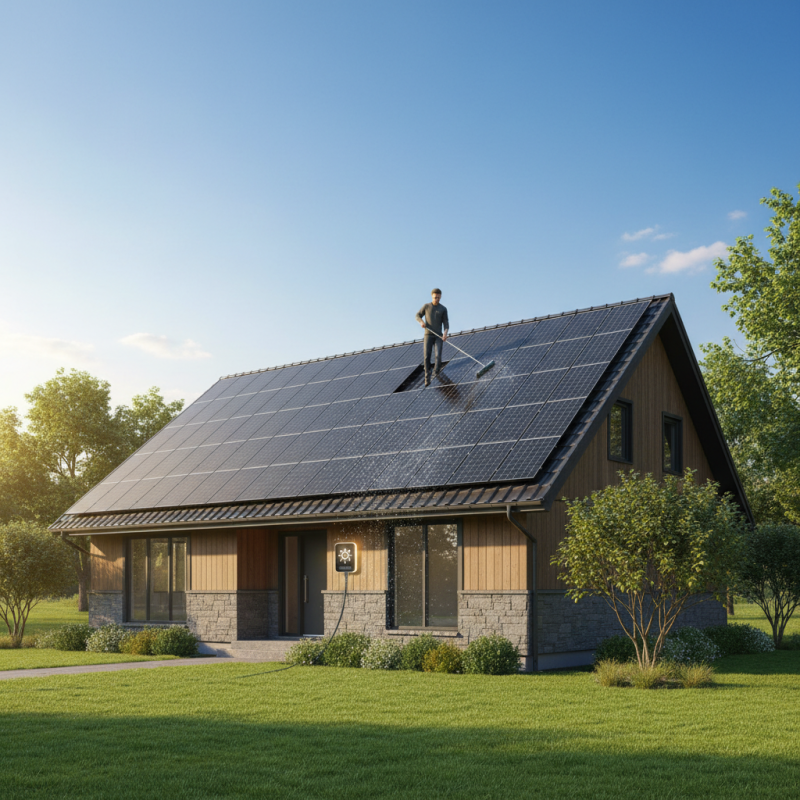
However, many homeowners overlook essential maintenance. Regularly cleaning panels is crucial for optimal performance. Neglecting this can lead to a decrease in efficiency. Installing a smart energy management system can help track energy use and maximize savings. Reflecting on these strategies can help homeowners improve their reliance on solar green energy.
Understanding Solar Energy Basics and Its Benefits for Homes
Solar energy is a renewable resource that can significantly benefit homes. Understanding its basics is crucial. Solar panels convert sunlight into electricity. They reduce dependence on fossil fuels. According to the U.S. Department of Energy, solar energy can reduce electricity bills by 50% or more. However, installation costs remain a concern.
Many homeowners overlook the importance of proper orientation. Solar panels should face south for maximum efficiency. This maximizes sunlight exposure throughout the day. A report from the National Renewable Energy Laboratory states that installation tilt can boost energy output by up to 30%. Yet, installation errors occur frequently. Improper setup can lead to inefficiencies, wasting both energy and money.
The environmental benefits are significant as well. Homes using solar energy can reduce carbon footprints by hundreds of pounds annually. Still, maintenance is often neglected. Regular cleaning and checks are essential. Dust and debris can hinder energy production. Indeed, investing in solar energy is wise, yet many homeowners must educate themselves. Understanding these basics is vital for maximizing solar power efficiency at home.
Choosing the Right Solar Panel Technology: Efficiency and Cost Analysis
Choosing the right solar panel technology is crucial for maximizing efficiency at home. Different types of solar panels exist, including monocrystalline, polycrystalline, and thin-film. Monocrystalline panels are known for their high efficiency but come with a higher price tag. Polycrystalline panels are more affordable but provide slightly lower efficiency. Thin-film panels are versatile, though they require more space for the same output.
Tips: Consider your roof space. If you have limited roof area, investing in high-efficiency panels might be worth it. Analyze the long-term savings versus upfront costs. Always evaluate local climate conditions as they affect energy output.
Another factor to consider is the installation quality. A poorly installed solar panel can reduce efficiency drastically. Research your installer’s reputation. Don't solely focus on the brand; look at their experience and customer reviews.
Tips: Ask for references from previous customers. Understand their installation process. Discuss maintenance options to ensure your investment lasts. Each type of technology has its pros and cons. Reflect on what fits your lifestyle best. Balancing cost, efficiency, and aesthetics is key in this decision.
Optimal Solar Panel Placement: Maximizing Sun Exposure and Energy Output
When it comes to maximizing solar energy efficiency, the placement of solar panels is crucial. Ideal locations receive the most sun exposure throughout the day. South-facing roofs usually capture more sunlight. This can significantly increase energy output. However, not every home has a perfect roof orientation. In some cases, adjustments are necessary.
Consider possible obstructions. Trees, buildings, and chimneys can cast shadows on panels. Even a small shadow can reduce efficiency. Regularly trimming nearby trees can help. Homeowners should also evaluate the angle of installation. Panels tilted at an optimal angle can capture more sunlight. But finding that angle may require testing. It’s not a one-size-fits-all solution.
Don’t overlook maintenance. Dust and debris can collect on the panels, hindering performance. Routine cleaning can ensure maximum exposure. Sometimes, even aesthetic choices can interfere with functionality. Decorative elements may block sunlight. Reflecting on these details is essential. Each aspect contributes to overall efficiency. Finding a perfect balance is a constant challenge.
How to Maximize Solar Green Energy Efficiency in Your Home?
| Placement Area |
Optimal Angle (Degrees) |
Average Sun Exposure (Hours/Day) |
Potential Energy Output (kWh/Month) |
| Rooftop |
30 |
5 |
250 |
| Ground Mount |
20 |
6 |
300 |
| Wall Mounted |
40 |
4 |
180 |
| Carport |
10 |
7 |
320 |
| Bifacial Panels |
15 |
8 |
400 |
Incorporating Energy Storage Solutions: Benefits of Solar Batteries
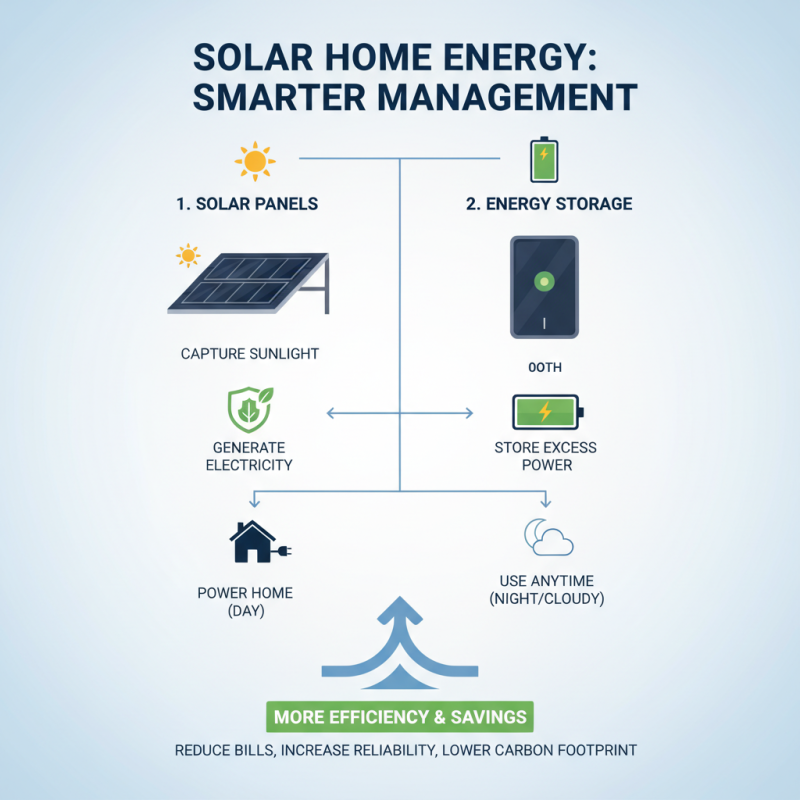
Solar energy is a powerful resource for homeowners seeking to enhance energy efficiency. However, just installing solar panels is not enough. Incorporating energy storage solutions like solar batteries can significantly improve your home's energy management. These batteries store excess energy produced during sunny days, allowing you to use it when the sun isn’t shining.
Imagine a day when your solar panels generate more energy than you need. Without a storage solution, that excess energy is lost. With solar batteries, you can capture the surplus and use it later, reducing your reliance on the grid. This means reducing your energy bills and making your home more self-sufficient. Batteries can also provide backup power during outages, bringing peace of mind.
Yet, solar batteries come with their own challenges. Their initial cost can be high, and not all batteries are created equal. Some have shorter lifespans and lower efficiencies. It is essential to research and choose the right battery according to your needs. While the benefits of energy storage are clear, the process requires careful thought and planning. It’s not just about installing a battery; it’s about choosing the right solution for your specific energy needs.
Smart Home Technologies for Improving Solar Energy Management
Smart home technologies play a crucial role in managing solar energy efficiently. Automated systems can optimize energy use based on real-time needs. For example, smart thermostats can adjust heating and cooling when solar energy production peaks. This not only saves energy but also reduces costs.
Another innovation is smart energy monitoring. Devices that track energy consumption provide data to homeowners. You can see how much energy is used and when. This visibility encourages more mindful usage of solar energy. However, relying too much on technology could lead to complacency. Users must stay aware and proactive.
Integrating solar panels with smart appliances is vital. These appliances can schedule their energy-intensive tasks during peak solar production times. Yet, this requires constant monitoring and adjustments. There are learning curves involved. Making mistakes early might lead to wasted energy. Balancing human intervention with technology is essential for maximum efficiency.