Top Off Grid Solar System Benefits and Installation Guide?
In an era where sustainability is key, the off grid solar system presents a powerful solution. Experts agree on its advantages. Mark Thompson, an industry leader, states, "Investing in an off grid solar system empowers individuals to take charge of their energy.” His insight highlights the growing independence it offers.
These systems are not just eco-friendly; they can lead to significant cost savings. Imagine eliminating monthly electricity bills. The initial installation may seem daunting, but the long-term benefits outweigh the challenges. However, many homeowners hesitate. They worry about the upfront costs and potential maintenance issues.
Choosing an off grid solar system is more than a trend; it's a commitment to a sustainable future. The technology has improved, yet still has room for innovation. With careful planning, these systems can transform lives. However, contemplating the initial investment requires careful thought. Balancing costs and benefits is essential for success.
Top Benefits of Off Grid Solar Systems
Off-grid solar systems provide significant advantages for those seeking energy independence. One of the main benefits is freedom from utility bills. By harnessing the sun's energy, homeowners can significantly reduce or eliminate monthly costs.
This self-sufficiency offers peace of mind during power outages, ensuring access to electricity.
Another key benefit is environmental impact. Off-grid systems use renewable energy, reducing reliance on fossil fuels. This shift leads to lower carbon emissions, contributing positively to the planet's health.
However, transitioning to solar requires careful planning and investment. The initial setup can be daunting.
Moreover, maintenance can present challenges, especially in remote locations with limited resources.
In addition, off-grid living often means adapting to a different lifestyle. It may involve prioritizing energy-efficient appliances and managing energy use wisely.
Balancing comfort and sustainability can be tricky. Some might find the transition tough or frustrating. Being aware of these potential pitfalls is crucial for those considering this solar path.
Key Components of Off Grid Solar Systems
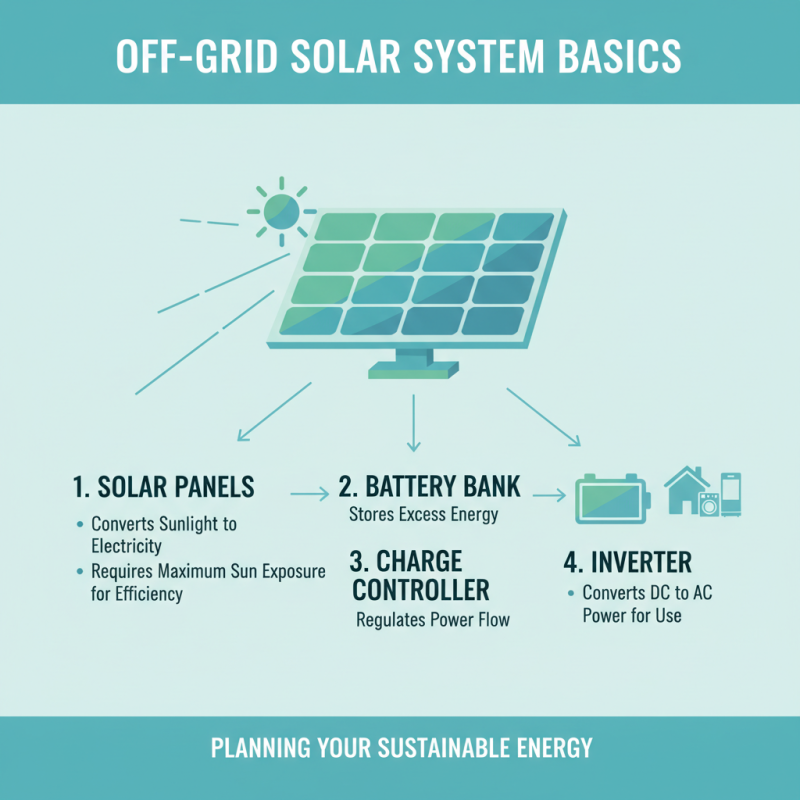
When planning an off-grid solar system, understanding its key components is crucial. A solar panel is the heart of the system. It converts sunlight into electricity. These panels need to be placed in an area with maximum sun exposure. Poor placement may lead to lower energy production.
Another essential part is the battery storage. Once the solar panels generate electricity, it must be stored for use when solar energy is not available. Choosing the right type and size of battery can be confusing. If the battery is too small, it won't hold enough power for nighttime use.
A charge controller is also necessary to regulate the energy flow from the panels to the batteries. Without it, there can be overcharging, which damages batteries over time. Understanding these components helps in designing a system that meets specific energy needs. Installation can be complex, and even small mistakes can lead to inefficiencies. It's important to seek knowledge or assistance before proceeding.
Step-by-Step Installation Process for Off Grid Solar Systems
Installing an off-grid solar system can seem daunting. However, breaking it down into steps makes it manageable. Start by assessing your energy needs. Measure your daily usage in kilowatt-hours. This will dictate your system size. Next, choose the right solar panels. Consider efficiency and available space for installation.
Secure all necessary permits before installation. Check local regulations to avoid potential fines. It’s crucial for a smooth operation. Mount the solar panels at an angle to maximize exposure to sunlight. Use quality mounting hardware to ensure durability.
Tip: Double-check connections during installation. Loose connections can lead to failures. After installation, monitor your system regularly. It’s key to identify issues early on. Remember, off-grid systems require maintenance. It may take time to optimize performance. Keep track of your energy production and usage. Adjust your habits as needed to improve efficiency.
Maintenance Tips for Off Grid Solar Systems
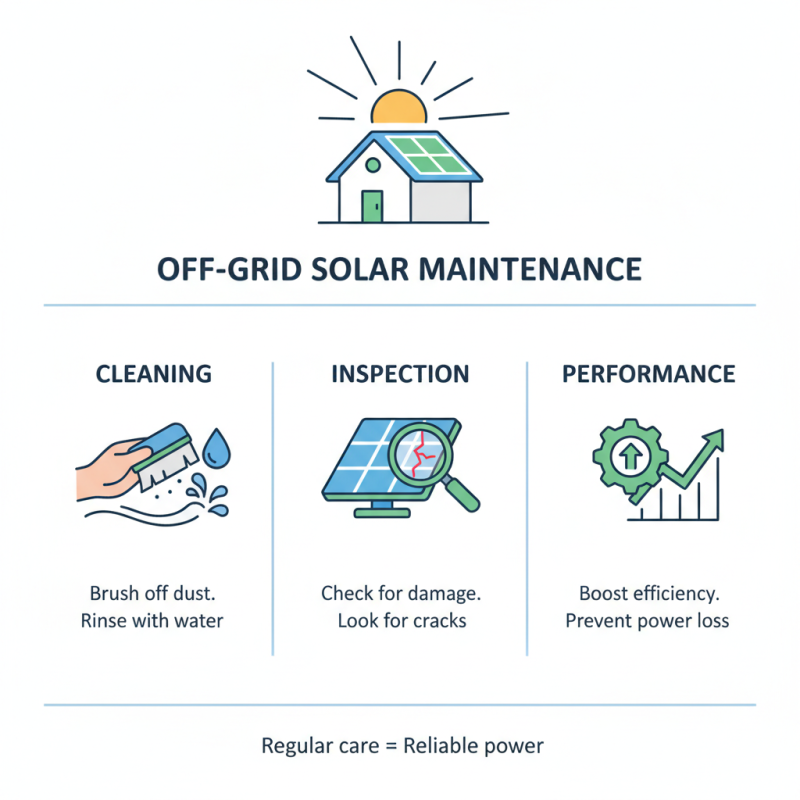
Off-grid solar systems require regular maintenance to ensure optimal performance. Keeping your solar panels clean is critical. Dust and debris can reduce efficiency. Brush off dirt gently. If possible, use water to rinse dirt away. Check your panels regularly for any signs of damage. Even small cracks can impact performance significantly.
Battery maintenance is another key element of off-grid systems. Monitor battery levels frequently. Overcharging or allowing them to drain completely can shorten their lifespan. Clean battery terminals to prevent corrosion. Remember, skip the maintenance, and you may face unexpected costs down the line.
Inverter checks are essential, too. Ensure it is functioning correctly. If you notice any strange noises or lights, troubleshoot immediately. Ignoring signs can lead to larger issues. Your off-grid system should be an asset, not a burden. Regular maintenance helps achieve just that.
Cost Analysis and Financial Incentives for Off Grid Solar Systems
When considering an off grid solar system, cost is a major factor. Initial expenses can be high. Solar panels, batteries, and installation contribute to this. Upfront investments may range from $10,000 to $30,000 based on requirements. It's essential to evaluate your energy needs carefully.
Financial incentives can greatly reduce costs. Many governments offer tax credits. Some provide rebates for purchasing solar systems. Research local incentives thoroughly. These can save thousands, making off-grid options more accessible.
Tip: Always assess your long-term energy usage. This helps in choosing the right size and system. Over-purchasing leads to unnecessary costs. Underestimating may result in energy shortages.
Another tip: remember to factor in maintenance costs. Batteries may need replacement every 5-15 years. Solar panels generally last longer, but it's wise to budget for repairs. This planning aids in avoiding future financial surprises.
Benefits of Off Grid Solar Systems
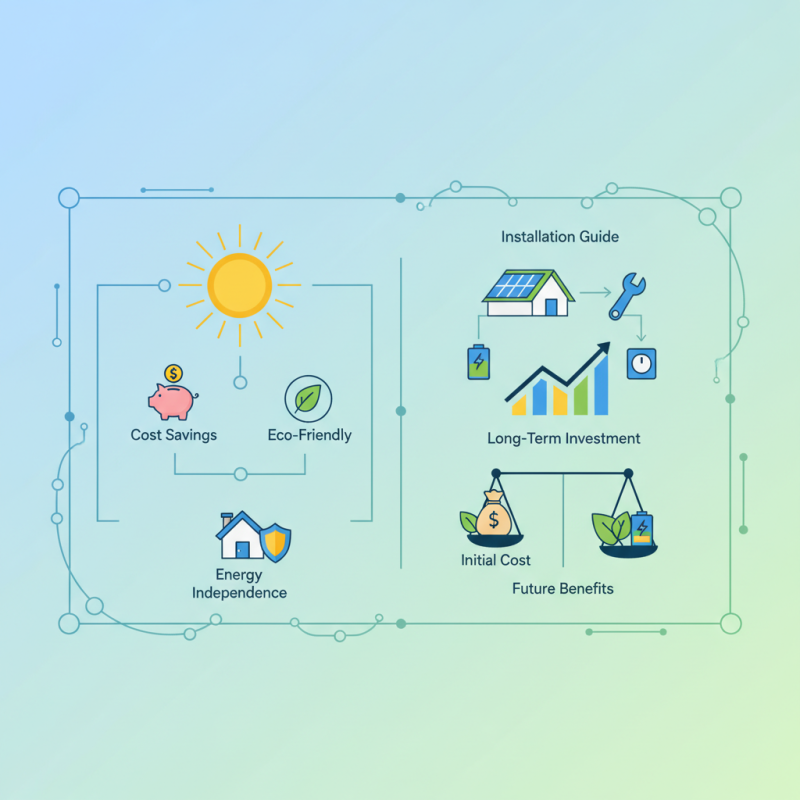
This chart illustrates the key benefits of implementing off grid solar systems, highlighting their potential for cost savings, energy independence, environmental impact, and more.