2026 How to Optimize Your Residential Solar Power System for Maximum Efficiency?
As the world pushes toward renewable energy, optimizing residential solar power systems becomes crucial. Experts like Dr. Emily Carter, a leading authority in solar energy efficiency, emphasize the importance of maximizing output. She states, "Every small adjustment in a solar system can lead to substantial energy savings."
In 2026, homeowners have access to innovative technologies that enhance solar efficiency. However, many still overlook basic aspects that can significantly increase their system's performance. For instance, ensuring that solar panels are correctly oriented and free from obstructions can have a dramatic impact on energy capture. Regular maintenance often gets neglected, but it's vital. Dust and debris on panels can reduce efficiency without homeowners even realizing it.
Reviewing energy consumption patterns is equally important. Understanding how daily usage aligns with solar power generation can help in planning. Adjustments might include altering energy use during peak sunlight hours. This strategic approach allows homeowners to maximize both efficiency and savings. Yet, many opt for a "set-it-and-forget-it" attitude, missing out on these opportunities for improvement.
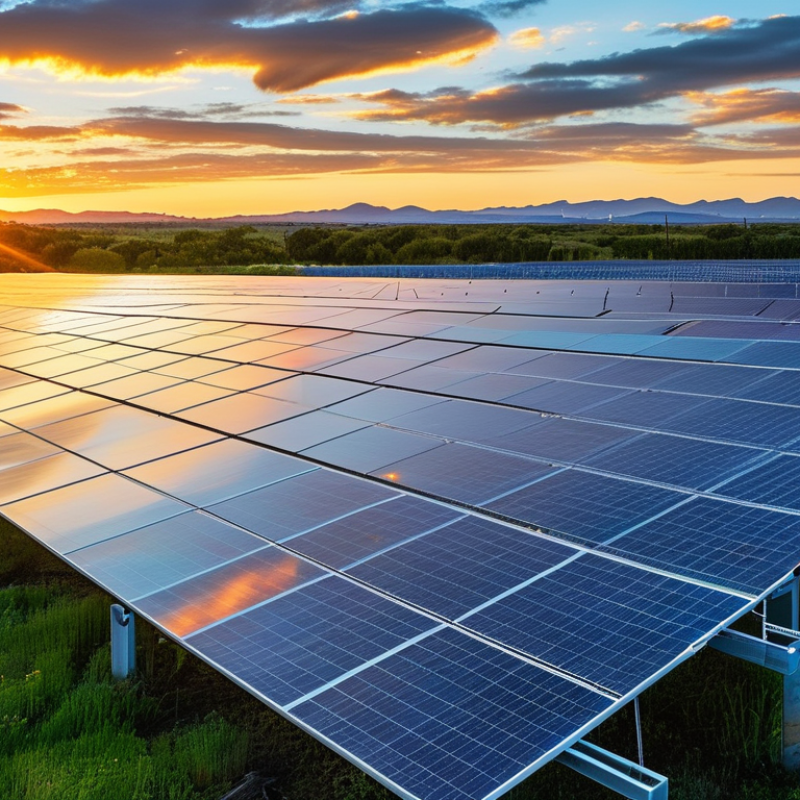
Understanding Solar Power System Components for Optimal Performance
Understanding the components of your solar power system is crucial for optimizing efficiency. Key elements include solar panels, inverters, batteries, and charge controllers. Each piece plays a role in
capturing sunlight and converting it into usable energy. Choosing the right combination can significantly impact your system's performance.
Regular maintenance is essential. Check your panels for dirt or debris that can block sunlight. Clean panels can boost efficiency by up to 20%. Ensure that the inverter operates correctly.
A malfunctioning inverter can lead to energy loss. This step often gets overlooked but is vital for long-term performance.
Invest in quality components. While cheaper options may save money upfront, they often lack durability. Higher-quality parts can lead to fewer replacements. Consider your home's energy needs before installation. Sometimes, a system may be too large or too small. This mismatch decreases efficiency. Remember to monitor your system's performance regularly to identify areas for improvement. Fine-tuning settings can make a noticeable difference.
Assessing Your Home's Energy Needs Before Installation
Before installing a residential solar power system, it's crucial to assess your home's energy needs. Start by reviewing your past utility bills. This data helps identify your average energy consumption. Look for seasonal variations in usage. This insight allows for a more tailored solar panel installation.
Consider your appliances and their energy requirements. Some devices consume more power than others. For instance, an electric water heater uses significant energy. In contrast, LED light bulbs are more efficient. Document how and when you use electricity. This will guide the sizing of your system. Too little capacity meansคุณ’ll miss out on potential savings.
The orientation and shading of your roof matter greatly. Homes with south-facing roofs typically receive ample sunlight. However, shaded areas can reduce efficiency. A professional assessment can help identify ideal locations for solar panels. This assessment may reveal shortcomings in your approach. Reflect on your energy habits and how you might adapt for greater efficiency. Over time, even small changes can lead to significant improvements in solar performance.
Key Factors Affecting Solar Panel Efficiency and Output
Solar panel efficiency is influenced by several key factors. Understanding these can help homeowners maximize their solar power systems. First, the angle and orientation of solar panels matter significantly. Panels positioned at an optimal angle capture more sunlight, boosting energy output. Ideally, they should face true south in the northern hemisphere. This alignment can enhance efficiency by up to 25%.
Another crucial factor is temperature. Solar panels can lose efficiency in extreme heat. Most panels perform best between 15°C and 35°C. Homeowners might want to consider ventilation solutions to reduce heat build-up. Additionally, shading from trees or buildings can significantly decrease output. Regularly trimming back vegetation can ensure that panels receive unobstructed sunlight.
The quality of components also impacts efficiency. This includes inverters, mounting systems, and other electrical components. Cheaper, lower-quality parts can lead to energy losses. Investing in reliable components is essential for a well-functioning system. Regular maintenance and monitoring are necessary; dirty or malfunctioning panels can underperform. Keeping an eye on the system’s performance helps identify issues early.
2026 How to Optimize Your Residential Solar Power System for Maximum Efficiency?
| Factor |
Impact on Efficiency (%) |
Recommended Best Practices |
| Orientation |
20-30% |
Install facing true south for optimal sunlight exposure. |
| Tilt Angle |
15-25% |
Adjust tilt according to your latitude for seasonal optimization. |
| Temperature |
10-15% |
Ensure proper ventilation and cooling systems are in place. |
| Shading |
50-100% (depending on severity) |
Remove nearby obstructions and consider trimming trees. |
| Panel Cleanliness |
5-10% |
Regularly clean panels to remove dirt and debris. |
| Inverter Efficiency |
5-7% |
Use high-quality inverters with low standby consumption. |
Strategies for Enhancing Solar System Performance in Different Climates
When optimizing your residential solar power system, considering your local climate is crucial. In regions with abundant sunlight, maximizing panel exposure becomes essential. Ensuring your panels are installed at an optimal angle can significantly enhance performance. Regular cleaning is necessary, as dust and debris can block sunlight. Reflective surfaces nearby might also alter how light hits your panels, impacting efficiency.
In contrast, homes in areas with frequent rain or snow need specific adjustments. Snow accumulation can block sunlight, so a steeper angle may help natural melting. Additionally, utilizing heat resistive materials can enhance system durability in extreme weather. Monitoring systems can help track performance dips due to weather changes. Adjusting monitoring sensitivity can help capture this data more effectively.
Some homeowners might overlook maintenance issues. Neglecting to inspect inverter performance can lead to reduced energy output. During heavy rainfall, watch for potential leaks or electrical issues. Each climate presents unique challenges that require ongoing attention. It’s essential to adapt and refine your approach as conditions change.
2026 Solar Power System Performance Optimization
This chart illustrates the average efficiency of residential solar power systems optimized for different climates, highlighting the importance of tailored strategies for maximum performance.
Regular Maintenance Tips to Maximize Longevity and Efficiency
Regular maintenance is essential for any residential solar power system. It ensures optimal performance over the years. Start with routine visual inspections. Check for dirt, dust, and debris on the panels. These obstacles can significantly reduce efficiency. You may not think much about a few leaves, but they can block sunlight.
Cleaning the panels should be done periodically, especially after heavy storms or seasons with strong winds. Use soft brushes or sponges with water. Avoid harsh chemicals that can damage the surface. Additionally, inspect the wiring and connections. Corroded or loose connections can lead to energy loss. Sometimes, these issues go unnoticed until the system underperforms.
Monitor your system's output regularly. Any sudden drops could indicate a problem. Don't hesitate to consult a professional if needed. However, not all maintenance requires expert help. Sometimes, a thorough cleaning and inspection can do wonders. Take time to reflect on your system's yearly performance. Are you getting the expected returns? Adjustments may be necessary for optimal efficiency.