How to Plan a Solar System Installation for Your Business?
Planning a solar system installation for a business starts with evidence, not attractive panel images. A warehouse roof may look suitable, yet shading, structural limits, and aging membranes can change the decision. Review twelve months of electricity bills, operating hours, demand peaks, and future expansion plans. Measure the roof. Check the ground. Small details matter. A qualified solar professional should complete a site survey and electrical assessment before recommending equipment. This protects the project from optimistic estimates and expensive redesigns.
The right system should match how the business actually uses energy. A daytime factory may benefit from direct solar consumption, while a retailer might need storage for evening loads. Compare system size, battery capacity, inverter performance, warranties, maintenance access, and expected degradation. Request production estimates based on local weather data, not perfect sunshine. Ask installers for licenses, insurance, relevant commercial projects, and references you can contact. Their proposal should explain assumptions clearly. Vague savings claims deserve questions.
Financial planning also needs patience. Calculate installation costs, financing charges, energy savings, demand fees, tax treatment, and available incentives. Rules and utility programs vary by location and may change. Confirm approvals, interconnection requirements, fire access, and safety responsibilities with the relevant authorities. A realistic plan includes monitoring, cleaning, inspections, and a replacement strategy for major components. It may not be the cheapest option. It should be dependable. Even experienced teams can misjudge future energy prices, so test several scenarios and document the uncertainties before signing.
Define Business Energy Needs and Solar Project Goals
Before planning a solar installation, define how your business uses energy each day. Review twelve months of utility bills, not just the latest invoice. Record peak demand, seasonal changes, operating hours, and equipment with heavy electrical loads. A bakery may need steady power for ovens, while a warehouse may consume more energy during lighting and cooling hours. Walk through the site with an electrician or energy consultant. Note roof condition, available space, shading, and future building changes.
Set practical project goals that connect solar production with business priorities. These goals might include lowering daytime electricity costs, protecting against rising rates, reducing emissions, or improving energy resilience. Put numbers beside each goal. For example, a company may target a 30 percent reduction in annual grid purchases within five years. It should also decide whether battery storage is necessary for outages or evening operations.
Be realistic about uncertainty. Our first energy estimate may be wrong. Production can vary with weather, shading, maintenance, and changing workloads. That is not a reason to stop planning. It is a reason to use measured data and conservative assumptions. Compare interval meter readings with equipment schedules, then ask qualified professionals to model several system sizes. Keep records of every assumption. Clear documentation helps owners, engineers, and finance teams make decisions based on evidence rather than attractive guesses.
How to Plan a Solar System Installation for Your Business?
Define Business Energy Needs and Solar Project Goals
This planning example uses an annual electricity demand of 1,000,000 kWh and a conservative solar production assumption of 1,200 kWh per installed kWp each year. A 30% offset would require approximately 250 kWp, while a 50% offset would require about 417 kWp and a 70% offset about 583 kWp. Before final design, review at least 12 months of utility bills, operating schedules, seasonal demand peaks, roof area, and local solar-production estimates.
Assess Site Conditions, Sunlight, and Available Installation Space
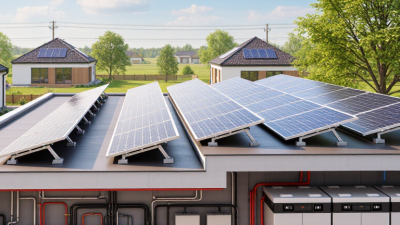
Site assessment should begin before selecting any solar equipment. Walk the roof, carport, or ground area during different seasons. Record roof age, slope, drainage paths, access routes, and visible damage. Commercial roofs often hide vents, cooling units, skylights, and maintenance corridors. A qualified structural engineer should verify loading capacity, especially for older buildings.
Sunlight needs more than an annual average. Use the World Bank’s Global Solar Atlas to review monthly photovoltaic power potential, then confirm conditions onsite. Nearby trees, parapets, and taller buildings can create winter shadows. Shade deserves careful attention. Map shadows at morning, noon, and afternoon. NREL’s PVWatts documentation applies a default 14% system-loss assumption, including wiring, inverter, and other losses. That figure is useful for early estimates, not a promise. Soiling, heat, and partial shade may increase losses. A spreadsheet may look precise. It can still be wrong.
Available installation space must include safety clearances and future maintenance access. Do not fill every square metre with modules. Fraunhofer ISE’s Photovoltaics Report 2024 places leading commercial module efficiencies above 23%, yet real layouts produce less power because of spacing and obstructions. Compare several layouts using measured roof dimensions. Check the building’s electricity load profile, not just its monthly bill. A large roof may still be poorly matched to daytime demand. Recheck assumptions after a site visit; overlooked details are common, and correcting them early is cheaper.
Choose the System Design, Equipment, and Energy Storage Options
How to Plan a Solar System Installation for Your Business?
A reliable design starts with your load profile, not your available roof. Collect 12 months of electricity bills and interval data. Identify daytime peaks from refrigeration, motors, servers, or production lines. The International Energy Agency reported nearly 420 gigawatts of solar capacity additions worldwide in 2023, showing rapid deployment. Yet larger systems are not automatically better. Match array size to usable roof area, local grid rules, shading, and your export limits. A 250-kilowatt rooftop system may produce less than expected if dust, heat, and afternoon shadows are ignored. My practical mistake was treating estimated annual output as guaranteed production. It is not.
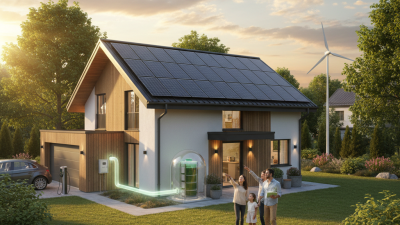
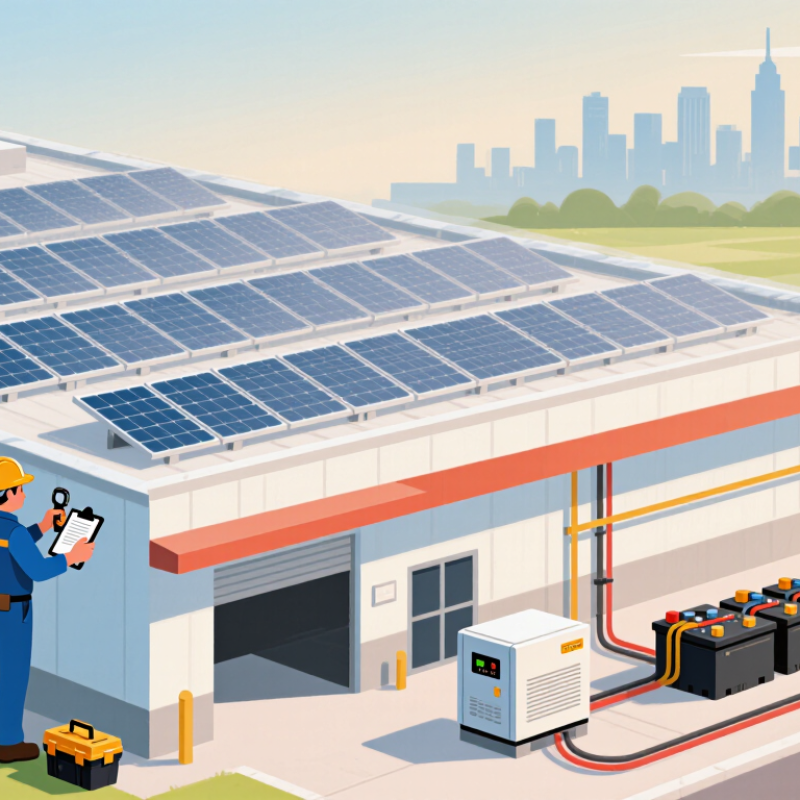
Choose equipment by performance under local conditions. Compare module degradation rates, inverter efficiency, warranty terms, service access, and protection against humidity or salt air. Independent testing matters more than attractive brochures. IRENA reported a global weighted-average utility-scale solar LCOE of about USD 0.044 per kilowatt-hour in 2023. Business projects still face different costs because roofs, permitting, financing, and maintenance vary. Energy storage deserves a separate calculation. Batteries can reduce demand charges, support critical loads, and shift solar power into evening operations. They also add losses, replacement planning, fire-safety requirements, and capital cost. Sometimes, a smaller battery is wiser.
Tips: Model three cases: low production, normal production, and high production. Test battery savings against actual demand charges. Keep space for future expansion. Ask an engineer to verify structural loading, cable routes, ventilation, and emergency shutdown access. Recheck the design after one month of monitored operation. The spreadsheet may be wrong. Reality is useful.
Review Costs, Incentives, Permits, and Financing Requirements
Planning commercial solar begins with a usable cost model, not a rooftop sketch.
List panels, inverters, mounting, wiring, engineering, labor, monitoring, insurance, and future maintenance. Ask an installer for itemized bids with production assumptions. A 100-kilowatt system may need roof repairs first. That hidden cost can change the project.
Review incentives through official energy agencies and tax authorities before reducing the budget. Eligibility may depend on location, ownership, commissioning date, and equipment standards. Confirm whether rebates arrive upfront or after inspection. Check interconnection fees and possible utility upgrades. Permits can include building, electrical, fire, and zoning reviews. Their timelines rarely match. Build a schedule with several weeks of contingency.
Compare financing using total repayment, not monthly payment alone.
Examine loans, leases, energy-service agreements, down payments, escalators, buyout terms, and roof responsibilities. Request cash-flow projections under conservative electricity prices and lower-than-expected production. A qualified engineer should verify structural capacity and shading. An accountant can test depreciation and tax treatment.
My first estimate was too optimistic; I had ignored lost production during grid outages. That mistake changed the payback period.
Recheck every assumption before signing. Good planning is detailed, but never perfect.