Why Solar Energy Solutions Are Essential for a Sustainable Future?
As the world grapples with climate change, solar energy solutions emerge as vital tools for a sustainable future. These technologies harness sunlight to produce electricity, reducing dependency on fossil fuels. In urban areas, solar panels can turn rooftops into energy-producing assets. Rural communities benefit too, gaining access to affordable energy sources.
However, challenges remain in solar energy deployment. Initial costs can deter many users. Additionally, energy storage technology is still evolving. Cities with limited sunlight face efficiency issues. Despite these hurdles, the potential of solar energy solutions is immense. They promise to reduce greenhouse gas emissions and promote energy independence.
Investing in solar technology is not just an option; it is essential. As we confront environmental crises, embracing solar energy solutions could redefine our energy landscape. The transition must be inclusive, ensuring all communities can access these resources. There is no perfect path forward, but the journey is critical for a sustainable planet.
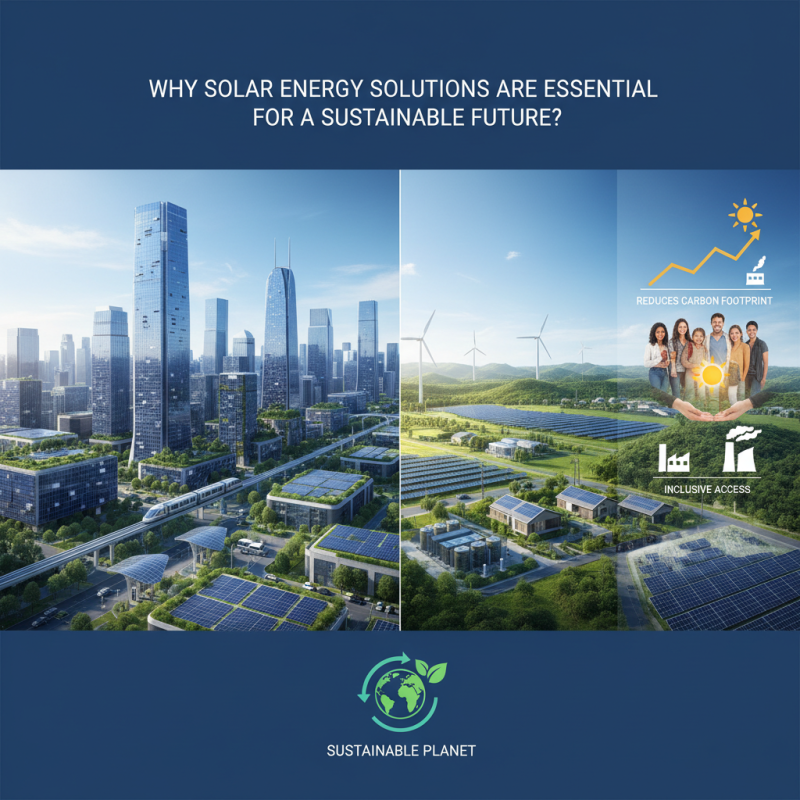
The Role of Solar Energy in Reducing Carbon Footprint
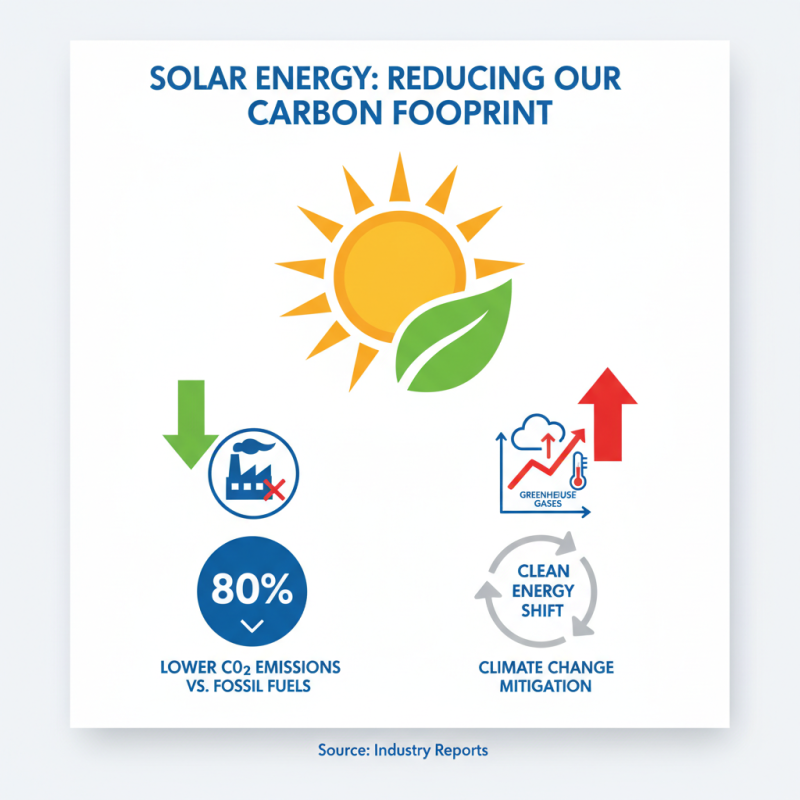
The shift towards solar energy is critical in reducing our carbon footprint. Reports indicate that solar power can lower carbon emissions by up to 80% compared to fossil fuels. This significant reduction is vital as greenhouse gas levels continue to rise.
Solar energy systems have become more accessible. Global installations have surged, growing by over 22% annually. Yet, challenges remain. Not all regions benefit equally from sunlight. Some areas struggle to harness solar potential due to geographical and climatic conditions. Solar energy cannot be the sole solution.
Despite its promise, investment in solar infrastructure is still lagging. Only about 10% of total energy globally comes from solar sources. Efforts to improve storage technologies are essential. Without adequate energy storage, reliance on solar during peak demands is limited. The transition to a solar-driven landscape requires commitment, innovation, and awareness. Embracing solar energy while recognizing its limitations is key to a sustainable future.
Economic Advantages of Solar Energy Adoption
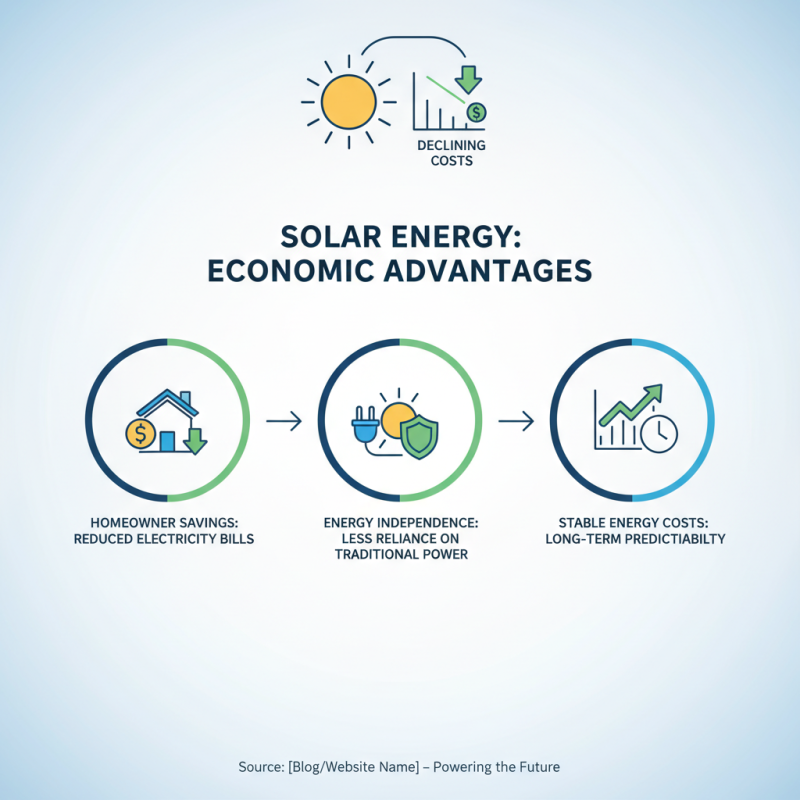
Solar energy offers significant economic advantages. As technology advances, costs have steadily declined. Homeowners can save money on their electricity bills. Generating electricity from the sun reduces reliance on traditional power sources. This shift can stabilize energy costs over time.
Investments in solar energy also create jobs. Solar installation requires skilled labor, boosting local economies. Every new solar project can stimulate job growth. However, the transition needs support from government policies. Incentives can help lower upfront costs. Some communities may struggle with the financial commitment at first.
Long-term savings are a crucial factor. While initial investments might seem daunting, many see reductions in energy expenses. Change is not always easy, especially in established industries. Yet, embracing solar energy is vital in building a sustainable future. Many are realizing that the shift is not just beneficial but necessary.
Technological Innovations Driving Solar Energy Solutions
Technological innovations are transforming solar energy solutions, making them more accessible and efficient. New materials, like perovskite, offer higher efficiency at lower costs. These developments enable smaller, lighter solar panels that can be integrated into urban settings. The ability to produce energy in confined spaces opens up possibilities for energy generation in cities.
Moreover, advancements in energy storage technology are essential. High-capacity batteries allow solar energy to be stored for later use, ensuring reliability even when the sun isn't shining. Yet, challenges remain. Battery recycling and raw material sourcing require attention. We need sustainable methods to manage waste and minimize environmental impact.
In addition, smart grid technologies are enhancing energy distribution. They allow for real-time monitoring and better integration of solar power into existing systems. This reduces the risk of energy loss and improves efficiency. However, the implementation of such technologies can be costly and complex, requiring careful consideration. The journey toward a sustainable future through solar energy is promising but demands ongoing reflection and innovation.
Growth of Solar Energy Capacity (2015-2023)
This chart illustrates the growth of global solar energy capacity from 2015 to 2023 in gigawatts (GW). As technological innovations continue to drive solar energy solutions, capacity has significantly increased, highlighting the importance of solar energy for a sustainable future.
Challenges Facing Solar Energy Implementation
The transition to solar energy faces significant hurdles. One major challenge is the
initial cost of solar panels and installation. Many people are unable to afford the
upfront investment. This financial barrier limits adoption in low-income communities. Additionally, the variability of sunlight poses another issue.
Weather conditions can affect energy production, making it less reliable at times.
Infrastructure also plays a critical role. In some regions, the existing grid may not support new solar installations.
Upgrading the grid requires substantial investment and time. Maintenance and storage of solar energy also need attention.
Energy storage systems can be expensive and complicated. Without effective solutions, energy generated on sunny days
may go unused.
Another aspect to consider is public awareness. Many people lack knowledge about solar energy benefits.
This lack of information can lead to skepticism and resistance to change. Social acceptance is crucial for broad implementation. There are still many
misunderstandings about costs and technology. Addressing these issues requires collective effort and education.
Progress in solar energy is essential but often faces setbacks that need to be acknowledged.
Future Trends and Developments in Solar Energy Technology
Solar energy technology is rapidly evolving. Innovations in solar panels are making them more efficient and less expensive. Recent developments include transparent solar cells and flexible panels. These advancements could lead to wider adoption. Homes and buildings may soon generate power through windows and various surfaces.
Tips: Consider integrating solar solutions into your daily life. Small steps like solar chargers can be a start. Evaluate your energy consumption habits. Are there changes you can make for efficiency?
Storage technology is progressing as well. New battery systems can store solar energy more effectively. This allows users to harness energy even when the sun isn't shining. However, challenges remain. High initial costs and space limitations can hinder some projects. Still, the potential for a
sustainable future is significant. Awareness and education are key to overcoming barriers.
Tips: Research local incentives for solar installation. Many regions offer tax credits or rebates. Engaging with community programs can increase your knowledge and benefits.