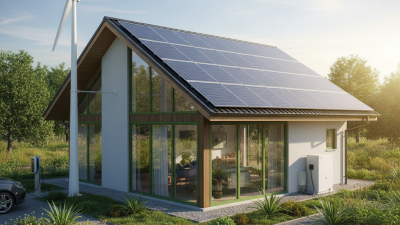
Why Solar Energy Solutions Are Essential for Sustainable Living?
As the world faces the critical challenges of climate change, solar energy solutions emerge as vital resources. Reports indicate that solar energy could account for over 30% of global electricity by 2030. This shift is essential for reducing greenhouse gas emissions and reliance on fossil fuels.
Solar energy solutions offer a pathway to sustainable living. They provide clean, renewable power that can significantly decrease our carbon footprint. According to the International Renewable Energy Agency, the solar sector has grown by more than 20% annually. While these statistics are promising, there are still hurdles to overcome. Not all regions have equal access to technology or resources needed for solar implementation.
Moreover, the production of solar panels has environmental impacts that need addressing. The entire lifecycle of solar energy solutions must be examined. Despite their benefits, we must approach solar energy with a critical eye. We need ongoing innovation and equitable policies to ensure these solutions truly support sustainable living.
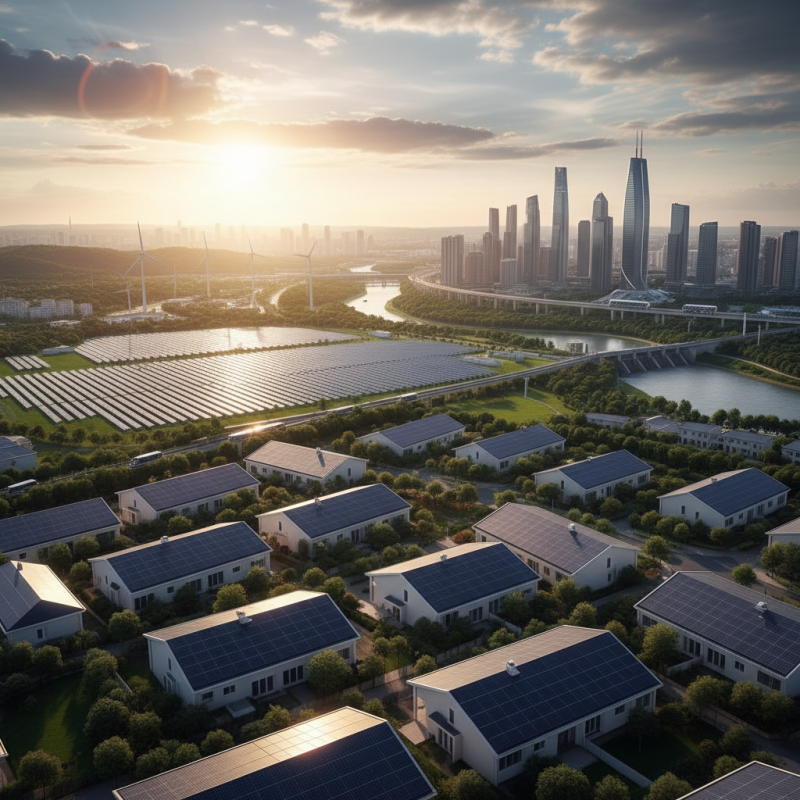
The Growing Importance of Renewable Energy in Modern Society
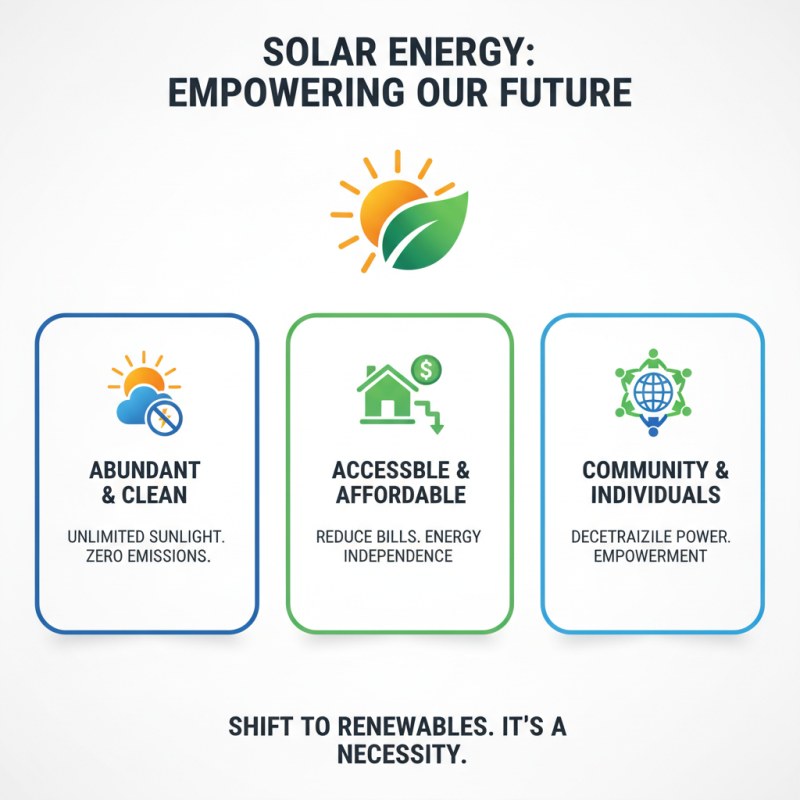
The shift towards renewable energy is not just a trend. It's a necessity. Solar energy stands out among these alternatives. Sunlight is abundant. People can harness this power to reduce reliance on fossil fuels. In many regions, it is more accessible than traditional energy sources. This democratization of energy empowers individuals and communities.
However, solar technology isn't perfect. Initial setup costs can be high. This limits its adoption for some households. Additionally, solar panels require space. In urban areas, this can pose a challenge. Yet, as technology improves, efficiency is increasing. Innovations might soon lower costs and make solar solutions more viable.
The environmental benefits are clear. Solar energy reduces greenhouse gas emissions. This is crucial for combating climate change. Communities benefit economically too. Jobs in renewable energy are on the rise. Energy independence can provide stability. While we must address the challenges, the potential for solar energy is immense. Embracing these changes is key for a sustainable future.
Defining Solar Energy and Its Mechanisms of Production
Solar energy is a renewable resource harnessed from the sun's rays.
Solar panels convert sunlight into electricity. They work through photovoltaic cells, which are made of semiconductor materials like silicon. When exposed to sunlight, these cells generate direct current (DC) electricity. An inverter then converts DC into alternating current (AC), making it usable in homes and businesses.
The efficiency of solar panels has increased over the years. According to the National Renewable Energy Laboratory, some commercial panels achieve efficiencies above 22%. However, not all installations achieve these optimal levels. Factors like shading, orientation, and temperature can impact performance. Inadequate maintenance may further reduce output.
Despite challenges, solar energy's potential is immense. The International Energy Agency projects solar energy could provide up to 30% of the world's electricity by 2050.
This is a critical step towards combating climate change. The transition to solar energy is vital, but complexities remain. Navigating regulations and installation costs can be daunting. It's essential to address these barriers for a sustainable future.
Benefits of Solar Energy for Environmental Sustainability
Solar energy is a game changer for environmental sustainability. According to the International Renewable Energy Agency (IRENA), solar energy could provide up to 25% of global electricity by 2050. This shift can help reduce greenhouse gas emissions significantly. In fact, the Solar Energy Industries Association reports that solar power can cut CO2 emissions by almost 10 tons per system over its lifetime. That’s a big impact for a clean source of energy.
There are many advantages to solar energy. It reduces reliance on fossil fuels, which are major pollutants. The U.S. Department of Energy states that shifting to solar can prevent the release of about 70 million metric tons of carbon dioxide. This shift is crucial in combating climate change. However, solar installations require a lot of materials, which isn't perfect. Recycling old solar panels remains a challenge needing attention.
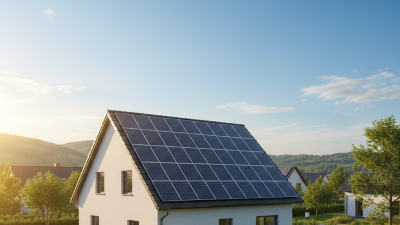
Tips: Consider installing solar panels on your roof. This can lower your energy bills while being eco-friendly. You can also monitor your system’s output. This helps you increase efficiency and minimize waste. Every small step counts in promoting sustainability.
Economic Advantages of Adopting Solar Energy Solutions
Solar energy solutions bring significant economic advantages. They often lower electricity bills. Many households experience reduced energy costs after installing solar panels. This change can free up funds for other essential expenses.
Investing in solar energy typically leads to long-term savings. Initial installation costs may seem high, but incentives can help. Over time, homeowners can save thousands on energy. Additionally, solar energy systems boost property value. A home with solar installations is often more attractive to buyers.
However, not everyone has access to these solutions. Some areas lack sufficient sunlight, and installation can be expensive for low-income households. This disparity raises questions about equitable access to renewable energy resources. It is important to critically examine these barriers to ensure a sustainable future for everyone.
Challenges and Future Prospects for Solar Energy Development
Solar energy development faces many challenges. Financing remains a hurdle for many projects. Investors often hesitate due to perceived risks. Additionally, the initial costs of solar panels can be high. Many households struggle to afford the upfront expenses. Moreover, the technology is still evolving, leading to uncertainty about performance.
Infrastructure also poses issues. Not every region has the necessary grid connections. This limits solar energy access for many. Energy storage solutions are critical. Without them, energy generated during sunny days may go unused. These developments need attention.
The environmental impact is not always positive. Manufacturing solar panels can harm the environment. There's a pressing need for sustainable production methods. Recycling old panels presents another challenge. The future of solar energy must address these concerns. Each step forward requires reflection and innovation. Only then can solar power truly support sustainable living.
Why Solar Energy Solutions Are Essential for Sustainable Living? - Challenges and Future Prospects for Solar Energy Development
| Dimension |
Current Status |
Challenges |
Future Prospects |
| Solar Panel Efficiency |
15%-22% |
High costs for advanced panels |
R&D for higher efficiency (>25%) |
| Installation Cost |
$15,000-$30,000 (for residential) |
Initial investment barrier |
Lower costs due to economies of scale |
| Energy Storage |
Batteries available |
Still expensive, limited capacity |
Improved battery technology and affordability |
| Government Policies |
Incentives available |
Policy changes under different administrations |
Stable long-term support expected |
| Public Awareness |
Increasing |
Misinformation about solar energy |
Education and outreach programs |