Solar Storage Tips for Homeowners How to Save Energy?
Solar Storage has become a crucial topic for homeowners seeking to save energy. As the demand for renewable energy grows, many look to solar panels and storage systems to cut costs and utilize sustainable energy. Solar storage systems allow homeowners to harness excess energy generated during the day for use at night. This shift helps make energy consumption more efficient.
However, implementing solar storage is not without its challenges. The initial investment can be high, and the technology can be complex. Many homeowners find it overwhelming to understand which system suits their needs best. Selecting the right solar storage solution requires careful consideration of factors like efficiency and battery lifespan.
Despite these challenges, the benefits of solar storage are significant. Homeowners can reduce reliance on grid power and lower energy bills. Reducing energy waste not only saves money but also benefits the environment. Embracing solar storage can transform how we consume energy, leading to a more sustainable future. As we explore practical tips for effective solar energy management, it is essential to remain aware of both the positive and less favorable aspects of this technology.
Understanding Solar Energy Storage Systems for Homes
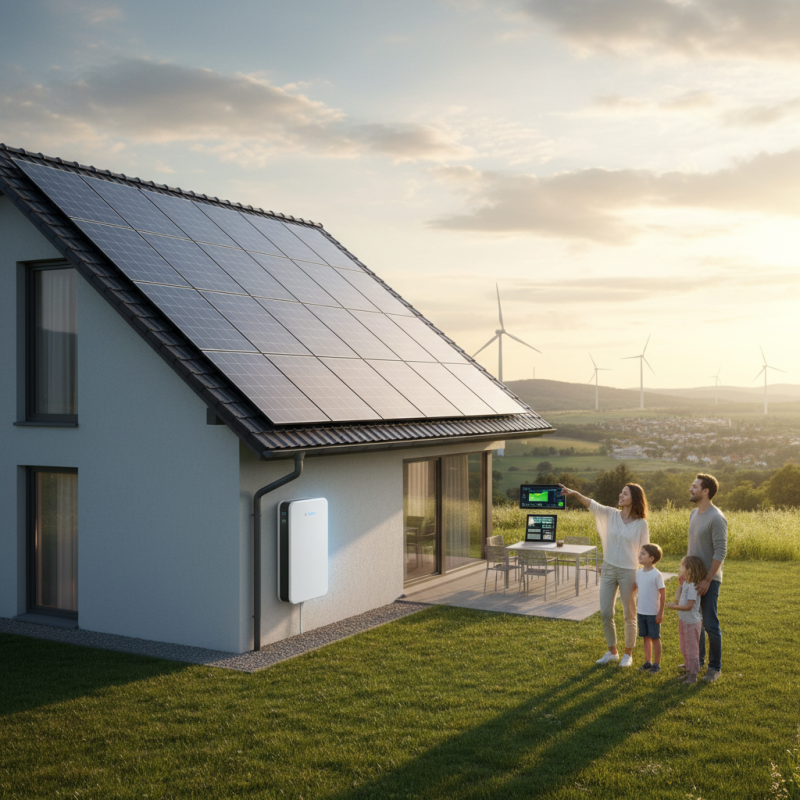
Understanding solar energy storage systems for homes is crucial for optimizing energy use. These systems enable homeowners to retain excess energy generated during the day for nighttime use. According to the U.S. Department of Energy, solar storage installations have surged by over 200% in the last five years. This rapid growth reflects a rising trend in energy independence and cost savings.
Homeowners must consider various factors when selecting a solar storage system. Battery capacity, efficiency, and lifespan are essential. The average lithium-ion battery can last about 10 years, but performance may degrade over time. Reports show that storage systems can lose up to 20% of their efficiency as they age. It is vital to evaluate how this degradation may impact energy savings in the long run.
Moreover, some regions have better solar incentives than others. A 2022 National Renewable Energy Laboratory report indicates that incentives can recover up to 30% of installation costs. However, homeowners in less favorable areas may face challenges. They might not see a return on investment as quickly. Balancing cost and performance is a delicate process that needs thorough research. Engaging with local energy experts can provide insights into specific needs and expectations.
Benefits of Solar Storage: Saving Energy and Reducing Costs
The benefits of solar storage are significant for homeowners. By saving energy, you can lower your utility bills. With proper management, excess energy can be stored for late use, reducing reliance on the grid. This creates a more sustainable living environment. Solar storage systems can lead to long-term cost reductions, which is appealing.
To maximize your solar storage, consider these tips. Ensure your system is correctly sized for your energy needs. An oversized system may generate excess energy without effective storage. Monitor your energy usage regularly to understand peak times. This awareness can help shift usage to stored energy.
Maintaining your storage system is crucial. Regularly check for any wear or malfunction. Addressing minor issues can prevent larger, costlier problems. Lastly, remember that solar energy is not always perfect. Days with low sunlight can leave you dependent on the grid. Reflecting on your consumption habits helps improve efficiency. Each small adjustment can lead to greater savings.
Choosing the Right Solar Storage Solution for Your Needs
When selecting a solar storage solution, consider your energy needs. Evaluate your average daily usage. This assessment can help you pick an appropriate battery capacity. Higher capacity options can store more energy, but they can be more expensive.
Take time to research different technologies. Lithium-ion batteries are popular, but there are others. Some systems can last longer but may have a higher upfront cost. Understand the trade-offs involved. It’s about finding what suits you best.
Tips for homeowners include monitoring energy use daily. Adjust settings on your devices to optimize usage. Consider using energy-efficient appliances as well. Storing solar energy can be beneficial when it's needed. Look for solutions that offer flexibility and scalability as your needs change. Always read reviews and check local regulations before making any commitments.
Best Practices for Maximizing Solar Energy Usage
Maximizing solar energy usage is crucial for homeowners looking to save on electricity bills. Research indicates that homes with properly optimized solar systems can see energy savings of up to 50%. To achieve this, homeowners should focus on smart storage solutions. Pairing solar panels with efficient battery systems can store excess energy produced during the day. This stored energy can be used during peak hours, reducing reliance on the grid.
Consider implementing these tips: Monitor your solar energy output regularly. Understanding daily patterns helps in making informed decisions about energy storage and usage. Keep an eye on energy consumption during daylight hours. Using appliances like washing machines and dishwashers during this time can directly utilize solar power. In addition, regular maintenance of solar panels ensures they operate at peak efficiency. Clean panels can increase energy absorption by 20% or more.
Incorporating smart home technology can further enhance solar energy usage. Smart meters provide real-time data on energy consumption. This can help in adjusting habits and minimizing waste. It’s essential to analyze your patterns and see where you can improve. Reflecting on these habits can reveal missed opportunities to optimize your solar investment.
Solar Storage Tips for Homeowners: Energy Savings Potential
Monitoring and Maintaining Your Solar Storage System
Monitoring your solar storage system is crucial for maximizing energy savings. Regular checks can reveal performance issues that may lead to inefficiencies. A recent report indicated that poor maintenance could reduce system efficiency by up to 30%. Homeowners should consider investing in monitoring tools. They provide real-time data on energy usage and storage levels.
Keeping an eye on battery health is essential. Most solar batteries degrade over time. The typical lifespan is about 10-15 years. Homeowners should routinely test battery performance. Simple checks can include ensuring connections are secure. If any issues arise, it's better to address them early. Often, minor fixes can prevent costly replacements later.
Cleaning solar panels regularly is another vital step. Dirt and debris can significantly hinder energy absorption. Studies show that unclean panels can lose up to 25% of their efficiency. A good practice is to inspect panels a few times a year. Note if any shading from nearby trees occurs over time. Adjusting panel angles or trimming trees may be necessary to maintain optimal performance.