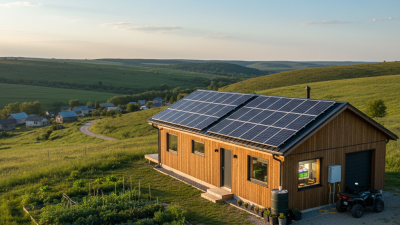
What is a Solar System and How Can It Benefit You?
Solar systems are a vital part of the renewable energy landscape. As of 2023, over 3 million solar systems have been installed in the United States alone, according to the Solar Energy Industries Association (SEIA). This growth reflects a broader shift towards sustainable energy sources. Solar systems provide cost savings on energy bills and reduce dependency on fossil fuels.
The global solar market is expected to reach a value of $223.3 billion by 2026, showcasing its importance in the energy transition. For homeowners, installing solar systems can lead to significant financial benefits. Residential solar systems can reduce electricity costs by an average of 20%-30%. However, potential users must consider factors such as location, roof orientation, and initial investment. Data from the National Renewable Energy Laboratory suggests that not all properties are ideal candidates for solar installations.
Despite the advantages, some homeowners remain hesitant. The installation process can be complex. Additionally, the initial costs and financing options may deter potential buyers. Understanding local incentives and financing options is key to overcoming these barriers. The continued development of solar technology offers promise for increased efficiency and accessibility. As solar systems become more mainstream, their role in energy sustainability continues to expand.

What is a Solar System? Understanding Its Components and Structure
A solar system primarily consists of a star and the objects that orbit it. Our solar system includes the
Sun, eight planets, moons, asteroids, and comets. Understanding these components helps us appreciate
our place in the universe.
The Sun is the centerpiece. It provides essential light and energy. Planets like Earth,
Mars, and Jupiter each have distinct characteristics.
Earth supports life. Mars is often referred to as the next frontier for exploration.
Jupiter’s massive size offers insights into planetary formation. Each celestial body plays a role in the intricate dance of
the solar system.
Tips: When considering solar energy, look for reliable local assessments. Analyze
your consumption patterns. Take into account the weather conditions in your area as they greatly
influence energy efficiency. This information can optimize your decision-making process.
Maintaining a solar system can be complex. Regular upkeep is necessary. Dirty panels or faulty wiring can decrease efficiency.
Some systems require a professional’s touch for repairs. Understanding these realities is essential for any solar user. Always
stay informed and adaptable as technology progresses.
Types of Solar Systems: Exploring Different Configurations and Designs
When considering solar systems, various configurations and designs stand out.
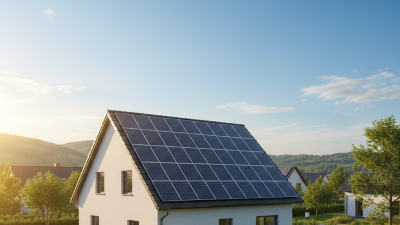
Roof-mounted systems, for instance, are common in residential settings. They utilize solar panels installed directly on a roof. This design reduces land use while harnessing sunlight effectively. According to the National Renewable Energy Laboratory, residential solar installations can reduce customers’ energy bills by up to 50%.
Ground-mounted systems offer another option. These designs often work best for larger properties. They can generate significant energy, especially if positioned in sunny areas. The solar energy industry estimates that ground-mounted systems can be 20% more efficient than roof-mounted ones. However, they require more space and may impact land use.
Finally, hybrid systems integrate solar energy with traditional energy sources. These can provide reliability during cloudy days or grid outages. Many homeowners choose hybrids to maximize energy independence. Despite the benefits, the initial costs can be steep. Reflecting on these types helps potential buyers understand their unique energy needs. The right design can balance efficiency and practicality.
Benefits of Solar Energy: How Solar Systems Power Your Home
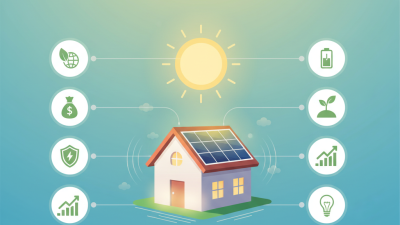
Solar energy is transforming how we power our homes. According to the U.S. Department of Energy, the installation of solar panels can reduce your electricity bills by up to 50%. This shift not only saves you money but also promotes energy independence. Homes with solar systems often have increased property values, making them a wise investment. The National Renewable Energy Laboratory (NREL) reports that solar-powered homes can sell for about 4.1% more than their non-solar counterparts.
Reliability is another key benefit. Solar systems can provide clean energy for 25 years or more with minimal maintenance. During power outages, a solar system with battery storage can keep your home running. However, it is important to assess whether your roof can support solar panels and if your local weather conditions are suitable. Not all homes might benefit equally from solar energy, depending on factors like geographic location and local regulations.
Environmental benefits are significant as well. Solar energy reduces carbon footprint and reliance on fossil fuels. The International Energy Agency highlights that solar power could be the biggest energy source by 2050, potentially providing 24% of the world's electricity. Yet, the solar industry must address challenges related to manufacturing and disposal of solar panels. Pursuing sustainability means improving technologies while addressing these potential pitfalls.
Cost Savings and Incentives: Financial Advantages of Solar Systems
Solar systems offer significant financial advantages. One of the primary benefits is potential cost savings on energy bills. Homeowners often see reductions of 50% or more in their monthly utility expenses. This reduction can lead to substantial savings over time. For many, this creates a more manageable budget.
Incentives can further enhance these savings. Tax credits and rebates are often available for solar panel installations. These financial incentives may cover a significant portion of the initial investment. Some states even offer additional perks for choosing solar energy. This financial support makes the transition easier.
Despite these benefits, some may still hesitate. The upfront costs can be daunting for many families. It's important to evaluate long-term benefits versus initial expenses. Proper research is essential. Understanding local incentives is key to maximizing savings. Solar energy can be a viable choice with proper planning.
What is a Solar System and How Can It Benefit You? - Cost Savings and Incentives: Financial Advantages of Solar Systems
| Aspect |
Description |
Average Cost |
Potential Savings (Annual) |
Incentives |
| Solar Panel Installation |
Conversion of sunlight into electricity for home use. |
$15,000 - $25,000 |
$800 - $1,500 |
Federal tax credit up to 30% |
| Solar Water Heater |
Uses solar energy to heat water, reducing gas/electric bills. |
$3,000 - $5,000 |
$300 - $600 |
State rebates available |
| Battery Storage |
Stores excess energy, improves energy independence and backup. |
$7,000 - $10,000 |
Supplemental savings on peak hours |
State incentive programs |
| Performance Monitoring Software |
Tracks energy production and consumption to optimize savings. |
Included in system cost or $200 - $500 standalone |
Improved efficiency can increase savings by 5-10% |
Usually no direct incentives |
| Net Metering |
Allows selling surplus energy back to the grid for credit. |
No additional cost |
$500 - $1,200 depending on usage |
Regulated by local utilities and states |
Environmental Impact: The Role of Solar Systems in Sustainable Living
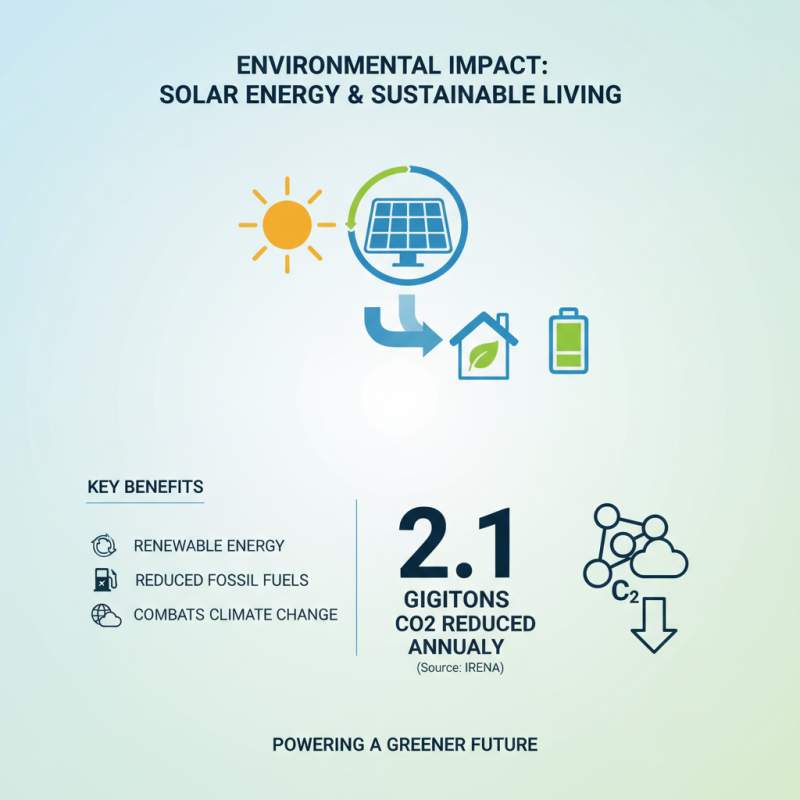
Solar energy plays a vital role in promoting sustainable living. Solar systems harness sunlight, converting it into renewable energy. This process reduces reliance on fossil fuels. According to the International Renewable Energy Agency (IRENA), solar power can reduce carbon emissions by over 2.1 gigatons annually. This significant decrease contributes to combating climate change.
Transitioning to solar systems can positively impact local environments. They minimize air pollution and can enhance public health. In some regions, solar adoption has led to a 20% reduction in harmful pollutants. However, there are challenges. The initial investment can be high. Many families face hurdles in accessing funding for solar technology.
Public perception also varies. Despite clear benefits, some communities are hesitant about solar systems. A recent survey revealed that 40% of people have concerns over installation and maintenance costs. Awareness and education are crucial. To amplify the advantages of solar, ongoing support and accurate information are essential. Solar systems offer hope, but barriers remain. Sustainable living needs a collective effort to overcome these challenges.