Top 10 Tips for Successful Solar System Installation
The growing demand for renewable energy has made solar system installation a pivotal industry. According to Dr. Emily Green, a leading expert in solar technology, "A successful solar system installation is more than just panels on a roof; it's about optimizing every detail." This insight highlights the importance of careful planning and execution in achieving an efficient solar setup.
When considering solar system installation, homeowners often face many challenges. Selecting the right equipment, understanding local regulations, and properly assessing site conditions are critical factors. Engaging with experienced professionals ensures a smoother process, making the dream of solar energy a reality. It’s essential to remain aware of common pitfalls, as many projects fall short due to lack of expertise or oversight.
In essence, knowledge and preparedness are vital. A well-rounded approach can significantly impact the success of your project. As you delve into the top 10 tips for solar system installation, remember to reflect on your current understanding and recognize areas that may need reevaluation. This journey is about making informed choices and embracing the potential of solar energy.
Understanding the Importance of Site Assessment in Solar Installation
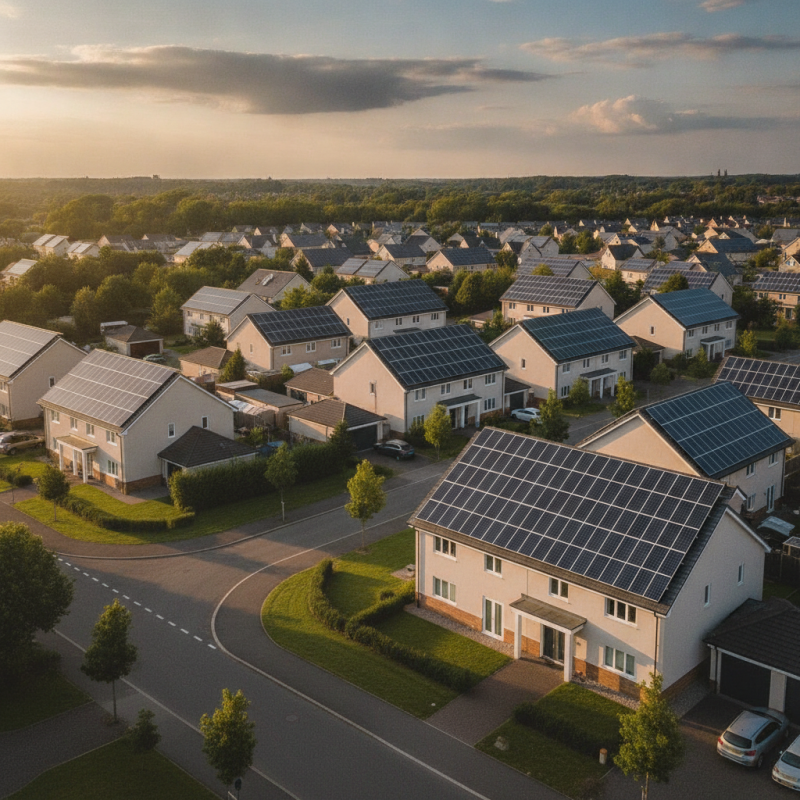
Site assessment is a critical step in any solar installation project. It involves evaluating the location for solar panel placement based on various factors.
Factors include roof angle, shading from trees, and sun exposure throughout the year. A thorough assessment can reveal potential obstacles that might affect energy production.
Knowing the specific needs of a location can help in choosing the right system. For instance, a flat roof may require different mounting solutions than a sloped one. If trees are casting shadows, it might be necessary to consider trimming or relocating them. These decisions impact the system's efficiency.
Additionally, assessing local regulations is vital. Each area may have unique codes for installations. Failure to comply with these can lead to costly adjustments later. It's essential to work with knowledgeable professionals who understand these criteria thoroughly. Even simple oversights during the site assessment phase can hinder long-term success. Regularly revisiting these factors can lead to better strategies for efficient energy generation in the future.
Choosing the Right Solar Panel Type: Monocrystalline vs. Polycrystalline
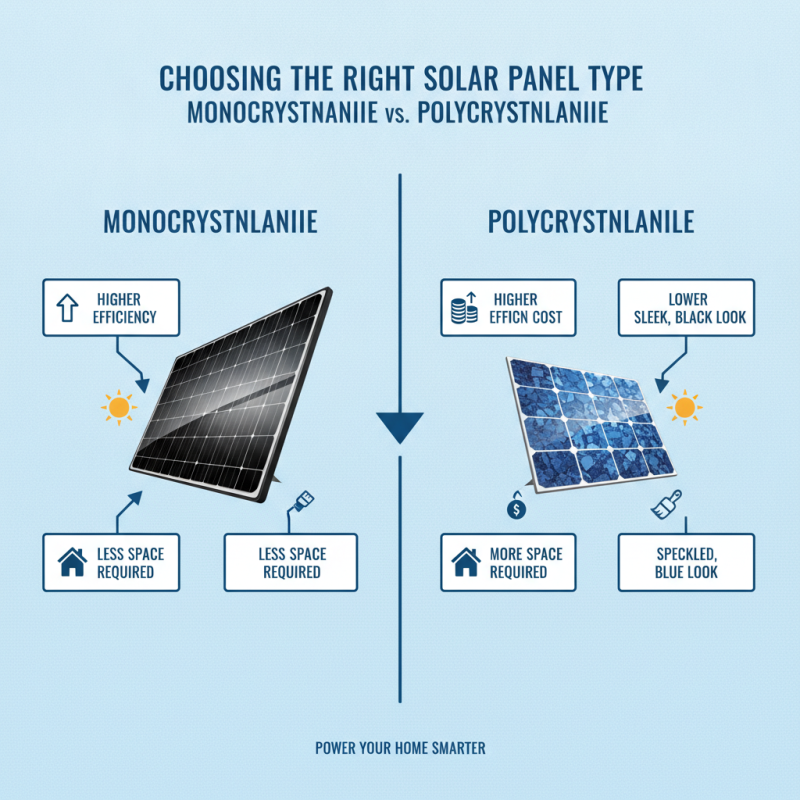
When it comes to solar panel installation, choosing between monocrystalline and polycrystalline panels is crucial. Monocrystalline panels are known for their high efficiency. They take up less space due to their superior energy output. This can be a significant factor if rooftop space is limited. However, they often come with a higher price tag. Their sleek black appearance is often preferred for aesthetics.
On the other hand, polycrystalline panels are typically more affordable. They are less efficient, meaning you might need more panels to produce the same energy. This can require more space. The blue hue of polycrystalline panels may also be less visually appealing to some homeowners. Understanding these differences is important.
Your choice should depend on your energy needs and budget. It’s essential to consider long-term savings. Reflect on your roof's orientation and shading. These factors will influence the overall performance of your solar system. Each type has its merits and drawbacks. A balanced approach, considering both efficiency and cost, often leads to better outcomes.
Evaluating Solar Inverter Options: String, Micro, and Power Optimizers
When evaluating solar inverter options, it's crucial to understand the differences between string inverters, microinverters, and power optimizers. Each type has its own advantages and disadvantages, affecting the overall efficiency of your solar system. According to the U.S. Department of Energy, microinverters can boost energy production by up to 20% in shaded conditions. This is important for homes with trees or other obstructions.
String inverters are simpler and often cheaper but can be less efficient under varying light conditions. Many homeowners fail to recognize the impact of shading on their solar output. Power optimizers combine some benefits of both string and microinverters, boosting energy harvest while keeping costs manageable. Their installation is often easier, leading to lower labor costs.
Tip: Always consider your roof layout and shading before choosing an inverter type. Understand the trade-offs between cost and efficiency. It's easy to overlook these factors. Also, consult recent studies or expert evaluations on inverter performance to make an informed decision. Knowing these details can lead to significant savings on your energy bills. Remember, the right inverter enhances your overall solar investment.
Top 10 Tips for Successful Solar System Installation - Evaluating Solar Inverter Options
| Inverter Type |
Efficiency (%) |
Cost ($) |
Best for |
Installation Complexity |
| String Inverter |
95% |
1,000 |
Medium to Large Roofs |
Low |
| Micro Inverter |
95-98% |
1,200 |
Complex Roof Shapes |
Medium |
| Power Optimizer |
96-99% |
1,500 |
Shady Areas |
Medium |
| Hybrid Inverter |
94-97% |
1,800 |
Battery Integration |
High |
Crucial Steps for Securing Permits and Meeting Local Regulations
Installing a solar system is a rewarding venture, but navigating local regulations is essential. Understanding permit requirements can be challenging. Each locality has its own rules, so research is critical. Visit local government websites or consult with officials to gather accurate information. Many municipalities provide guides to help homeowners understand the process better.
Documentation is often a stumbling block. You might need design plans, installation diagrams, and electrical permits. Submitting incomplete applications can delay your project. Thoroughly review all requirements before submission. Consider hiring a professional familiar with local codes. Their expertise can be invaluable and save you time and frustration.
Pay attention to environmental regulations as well. Certain areas may have restrictions to protect wildlife or historical sites. These factors might influence your installation options. Anticipate potential setbacks and remain flexible. It's crucial to adapt to new information as it arises. Engaging with local community groups can also offer insights. They may share experiences that help you avoid common pitfalls.
Top 10 Tips for Successful Solar System Installation
Maximizing Efficiency with Proper System Sizing and Orientation Techniques
When installing a solar system, proper sizing and orientation are crucial for maximizing efficiency. To achieve optimal performance, consider the following tips.
Getting the right system size is essential. A system that is too small won’t meet energy demands. Conversely, an oversized system can lead to unnecessary expenses. Calculate your energy needs accurately. This will help you avoid common installation pitfalls.
Orientation plays a key role. Ideally, solar panels should face south in the Northern Hemisphere. This maximizes sun exposure throughout the day. However, your roof’s layout may require adjustments. If your roof has obstructions like trees or chimneys, rethink the orientation.
Positioning panels at an angle can enhance efficiency, especially during winter months when the sun is lower. Monitor seasonal variations. This can guide adjustments to your setup, improving overall energy production. Engage with a local expert to refine these factors based on specific geographic conditions.
Keep in mind that ongoing assessments matter. Even well-installed systems might require tweaks over time. Stay informed about your system’s performance. An adaptable approach ensures your solar investment remains effective for years.