
• Cleveland QLD 4163 Find us on Facebook

  • Top 10 Mini Bikes to Buy in 2026

    The best mini bike is not simply the fastest or cheapest. It should fit its rider, intended terrain, and available storage. In this 2026 guide, Bikes Mini Bikes compares ten popular options through practical details: engine size, seat height, brakes, tires, weight, and manufacturer-stated features. Small differences matter. A low seat can build confidence, while a heavy frame may be awkward to load into a vehicle. Check the specifications carefully.

    Bikes Mini Bikes reviewer Alex Morgan puts the buying principle this way: “Choose for the ride you actually have, not the one you imagine.” That is useful advice, though no single model suits every rider. This roundup is a starting point, not a substitute for checking current product details, fit, and recommended use. Prices and specifications can change. So can availability. Consider where the bike will be ridden, who will maintain it, and whether its controls feel manageable. A shiny finish is nice. Fit matters more. We also leave room for a less tidy truth: published specs cannot tell you exactly how a bike will feel on your own route. Use this list to narrow the field, then confirm details with the manufacturer or seller before buying.
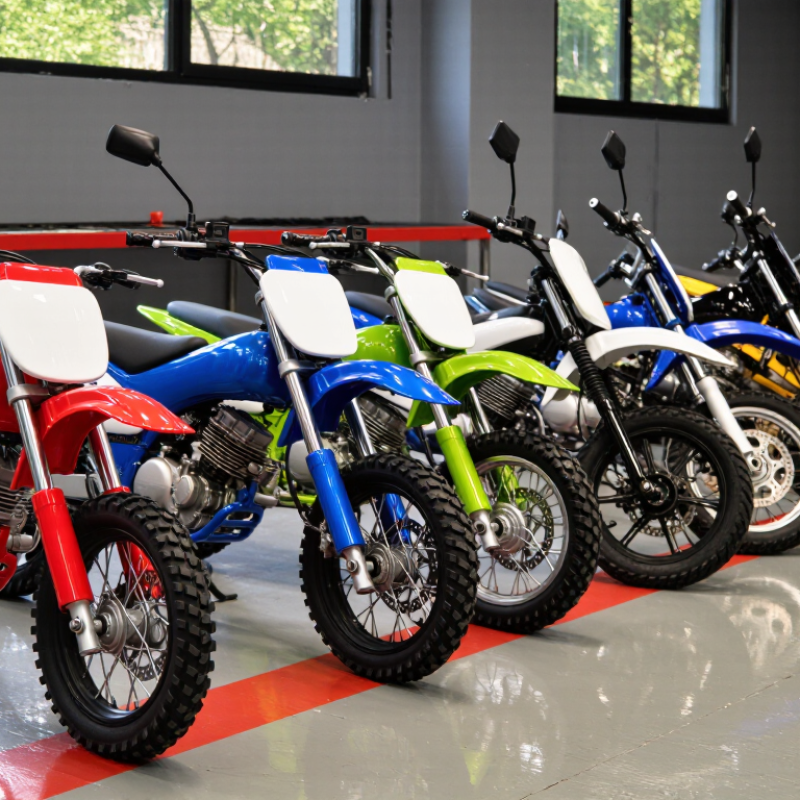
    Top 10 Mini Bikes to Buy in 2026

    What Defines a Mini Bike in 2026?

    In 2026, a mini bike is best understood by its proportions and purpose, not one strict measurement. It usually has a compact frame, small wheels, a low seat, and a simple riding position. Power may come from a small combustion engine or an electric motor. Not just a smaller motorcycle. The category is messier than it sounds: some models feel like sturdy yard machines, while others resemble scaled-down trail bikes. A product label alone tells you little.

    Look closely at the details. A seat height around knee level may suit a younger rider, but handlebar reach and foot placement matter just as much. Check the stated rider-weight limit, braking setup, tire type, and whether the bike is designed for pavement or dirt. A narrow tire can feel twitchy on loose gravel; a firm seat gets uncomfortable on longer rides. Small wheels are not automatically safer or easier to control. There is no perfect cutoff for what counts as “mini,” and I would not choose one by engine size alone. Compare the actual dimensions with the rider, then consider where it will be used and how it will be stored.

    How to Evaluate Mini Bikes Before Buying

    Before comparing the top mini bikes for 2026, decide where and how often you will ride. A compact bike for packed dirt needs different tires and ground clearance from one used on smooth paths. Fit matters. Check the seat height with your feet on the ground, and make sure the handlebars feel natural rather than cramped.

    Read the specifications, but inspect the details too. Look for clear information about braking, suspension, weight limits, and replacement parts. If possible, check that the throttle returns smoothly and the brakes engage evenly. Test it cold. A short showroom inspection cannot reveal every issue, but loose cables, rough welds, or fluid leaks deserve questions. A larger engine may look appealing on paper; it can also feel harder to control for a new rider.

    Consider ongoing costs, not just the purchase price. Ask how often routine service is recommended and whether common parts are easy to obtain. Compare the warranty terms in writing, since coverage can have limits. For electric models, check the stated range and charging time, then allow for conditions that may reduce range. No single spec tells the whole story. A bike that fits your body and intended terrain is often the more sensible choice, even if its numbers are less impressive.

    The Top 10 Mini Bikes to Buy in 2026

    The top 10 mini bikes to buy in 2026 are not one-size-fits-all choices. A compact electric model suits short rides and easy storage, while a longer-range electric option better fits extended outings. For new riders, a low seat and predictable throttle response can make stopping and starting less awkward. Adjustable speed settings help match the bike to a rider’s experience. Small details matter.

    For uneven paths, look for wider tires, useful ground clearance, and a frame that feels steady under load. Smooth tires and a lighter frame may suit flat, controlled riding instead. A torque-focused bike can handle gentle inclines, but check its weight and braking feel before buying. Models with accessible wear parts can be easier to maintain. A budget pick is only a bargain if replacement components are available and the build feels sound.

    That makes ten useful profiles: compact electric, extended-range electric, low-seat beginner, adjustable-speed, torque-focused, lightweight, trail-tire, smooth-tire, easy-maintenance, and value-focused mini bikes. Compare the seat height, brake response, battery or fuel needs, and the rider’s size. Wear a properly fitted helmet and protective gear, and check where the bike may be used. Specs can look impressive online; an uncomfortable seat can still spoil the ride.

    Top 10 Mini Bikes to Buy in 2026

    A practical comparison of mini-bike types for different riders and uses. Specifications and prices are typical market estimates, not guarantees for a particular model; check the current listing and owner’s manual before buying.

    Rank Mini Bike Type Typical Powertrain Typical Top Speed Typical Price (USD) Best For What to Check
    1 General-purpose trail mini bike Four-stroke gasoline engine, commonly around 196–212 cc About 20–30 mph, depending on gearing, load, and terrain $500–$1,000 Riders seeking a straightforward recreational bike for private trails and open land Frame capacity, ground clearance, braking, and whether the bike is intended for off-road use
    2 Electric trail mini bike Battery-powered motor, often in the 500–1,000 W range Varies widely; commonly around 15–25 mph $600–$1,500 Quiet recreational riding and users who prefer electric charging over gasoline Battery capacity, realistic range, charging time, replacement-battery cost, and water resistance
    3 Compact folding mini bike Electric motor, often around 250–750 W Usually around 10–20 mph $400–$1,200 Short, low-speed trips where compact storage and portability matter Folded dimensions, total weight, folding-lock security, and local rules for electric vehicles
    4 Youth-size gasoline mini bike Small four-stroke engine, commonly around 40–100 cc Often around 10–20 mph, but varies by setup $250–$600 Supervised beginner riding on appropriate private property Fit, throttle control, speed-limiting options, suitable protective gear, and adult supervision
    5 Electric youth mini bike Battery-powered motor, commonly around 250–500 W Often around 8–15 mph $250–$800 Low-speed introductory riding where quiet operation is useful Speed controls, battery safety instructions, rider-size limits, and charging supervision
    6 Fat-tire mini bike Gas or electric; gasoline versions commonly use engines near 196–212 cc Often around 15–30 mph, depending on powertrain and tires $600–$1,400 Leisure riding on firm dirt, grass, or other suitable uneven surfaces Tire pressure guidance, braking performance, overall weight, and clearance from obstacles
    7 Lightweight pit-style mini bike Four-stroke gasoline engine, often around 110–140 cc Varies by gearing and configuration; check the manufacturer’s specification $500–$1,200 Riders wanting a compact, maneuverable bike for suitable private riding areas Whether it is a mini bike or a motorcycle-style pit bike, and its maintenance and safety requirements
    8 Utility-oriented mini bike Four-stroke gasoline engine, commonly around 196–212 cc Often around 15–25 mph $600–$1,200 Low-speed recreational use on private property where a sturdy frame is preferred Rated load, cargo limits, braking under load, and restrictions on carrying passengers
    9 Entry-level electric mini bike Battery-powered motor, commonly around 250–500 W Usually around 10–18 mph $300–$700 Budget-conscious buyers and short, low-speed recreational rides Battery certification information, parts availability, warranty terms, and actual range claims
    10 Higher-output recreational mini bike Four-stroke gasoline engine, typically around 196–212 cc Can reach roughly 25–35 mph in some configurations $700–$1,500 Experienced riders using appropriate private riding areas Brakes, protective equipment, rider experience, noise, and whether the speed is suitable for the riding area

    How the Top Mini Bikes Compare by Price and Performance

    In 2026, mini bikes span a wide price range, and the cheapest option is not always the best value. Basic recreational models often cost about $300–$600, while sturdier machines with larger engines, stronger brakes, and better suspension can reach $700–$1,200 or more. Prices vary by seller and equipment, so treat these figures as rough US-market guides. A low sticker price may also mean smaller tires or a less comfortable seat. Check the parts and service support before buying. That matters later.

    Performance depends on more than engine size. A light bike with modest power may feel lively on flat paths, while a heavier model can climb more steadily but accelerate less sharply. Compare carrying capacity, braking feel, tire grip, and how easily the bike starts. These details matter on a dusty trail or a sloped driveway. A claimed top speed tells only part of the story. I would hesitate to rank bikes from specifications alone; rider weight, terrain, and maintenance change the experience. A short test ride, where available, can reveal awkward controls or a harsh ride that a price tag cannot.

    Safety and Ownership Factors to Consider Before Choosing a Mini Bike

    Top 10 Mini Bikes to Buy in 2026

    Safety and ownership deserve as much attention as speed or price. A low seat may feel reassuring, but it does not guarantee a good fit. Check that the rider can reach the controls, squeeze both brakes, and keep a stable foot on the ground. On a test ride, listen for brake squeal and feel for loose steering. Protective gear should fit snugly, including a properly certified helmet, eye protection, gloves, and sturdy footwear. Also check the manual for age, weight, terrain, and maintenance guidance; these details vary by model.

    The U.S. Consumer Product Safety Commission’s 2022 ATV annual report estimated 93,800 ATV-related injuries treated in emergency departments. That figure is not a mini-bike injury estimate, but it shows why off-road vehicle risks deserve care. Mini bikes are not ATVs, and the numbers should not be conflated.

    Before buying, inspect the frame, tires, chain guard, throttle return, and brakes. Ask what routine service costs, how replacement parts are sourced, and whether the bike can be stored securely. A cheap purchase can become an expensive project.

    Tips: Match the bike to the rider and riding surface, not just engine size. Set aside money for protective gear and upkeep. Recheck tire pressure and brake operation before every ride. A checklist helps. Skip it once, and small faults can be missed.