Call now: 0407 696 866
Choosing among the 10 best solar system installation companies requires more than comparing advertised prices. A reliable installer should demonstrate documented field experience, qualified technicians, transparent contracts, and strong after-sales support. Industry growth makes careful screening more important. The International Energy Agency’s Renewables 2024 report recorded nearly 420 gigawatts of new solar photovoltaic capacity worldwide in 2023. That scale signals momentum, but it also creates room for inconsistent workmanship.
This guide evaluates each company through practical measures. These include system design quality, equipment selection, installation timelines, warranty coverage, monitoring tools, and customer service. A professional solar system installation should account for roof condition, shading, local weather, electrical capacity, and future maintenance. Look for clear production estimates rather than dramatic savings promises. Ask who performs the work, how permits are managed, and whether the company uses certified electricians.
Cost also needs context. Lazard’s Levelized Cost of Energy analysis has repeatedly shown that utility-scale solar can remain highly competitive, although residential pricing varies widely. The Solar Energy Industries Association and Wood Mackenzie also report continued expansion in the United States, with annual solar additions reaching record levels in recent market updates. These figures support solar’s progress, not every installer’s claims.
No ranking is universally correct. A company with excellent national reviews may perform poorly in a particular climate or service area. That is an uncomfortable limitation. Local references, recent project photos, and written warranty terms still matter. The strongest choices combine technical competence with honest communication, even when the installation is less glamorous than the sales presentation.
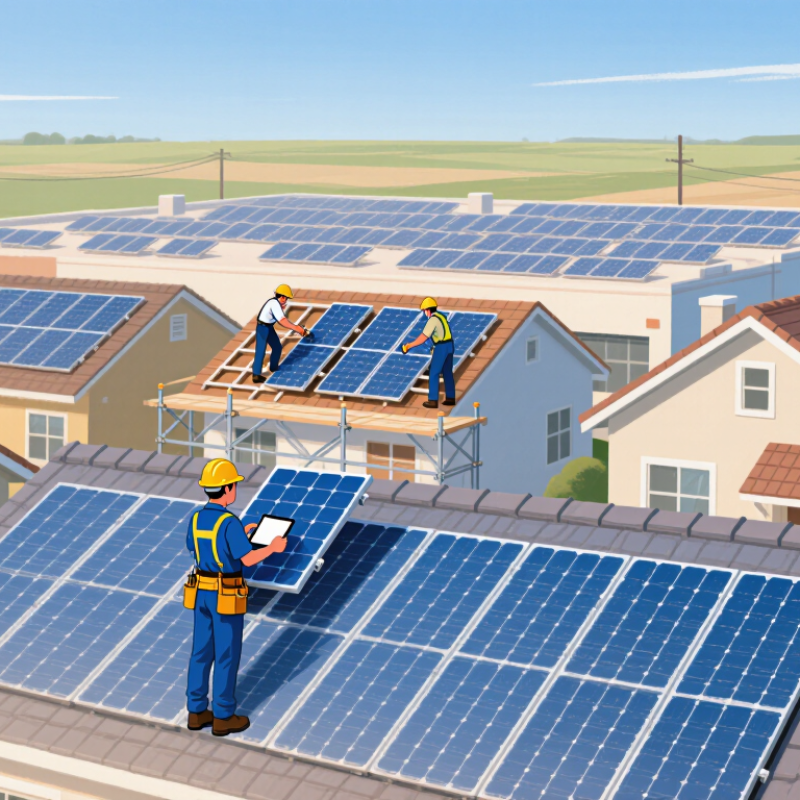
The best solar system installation company begins with a careful site assessment, not a polished sales pitch. Experienced technicians inspect roof age, shading, wiring, drainage, and local weather patterns. They explain production estimates in plain language. According to the IEA’s Renewables 2024 report, solar photovoltaic capacity grew by about 420 gigawatts worldwide in 2023. That growth increases choice, but it does not guarantee quality.
A reliable installer provides itemized pricing, realistic energy forecasts, permits, and written workmanship terms. It should also explain panel degradation and inverter replacement risks. NREL’s photovoltaic degradation study found a median annual degradation rate of about 0.5%. Small losses become meaningful over 25 years. Ask how the company calculates them. Ask who responds when monitoring stops.
Experience matters after installation. The installer should document cable routes, label equipment, test system performance, and teach the homeowner what the monitoring app means. Berkeley Lab’s Tracking the Sun report shows that residential solar systems vary widely in design and pricing, making comparisons essential. A low quote may exclude roof repairs or electrical upgrades. That happened to some homeowners I have encountered. It was preventable.
No installer is flawless. The best companies admit uncertainty, correct mistakes quickly, and keep records accessible. Check licensing, insurance, local references, complaint histories, and independent reviews. Then compare at least three proposals. A dependable company makes the numbers understandable before asking for a signature.
A practical evaluation framework for comparing solar installation providers. The percentages represent recommended decision weights rather than company rankings or market-share data.
System design and installation quality receive the highest weights because they directly affect energy production, safety, durability, and long-term performance. Warranty coverage, customer support, monitoring, and transparent pricing complete the evaluation.
The top 10 solar installation companies were evaluated through evidence, not advertising claims. The review examined licensing, insurance, installer training, project history, warranty terms, and permit support. It also checked whether production estimates matched local sunlight, roof angle, shading, and weather conditions. Real experience matters here. A polished sales call cannot reveal how carefully a crew seals a roof penetration.
Industry data helped set realistic benchmarks. The International Energy Agency Photovoltaic Power Systems Programme reported more than 400 gigawatts of new solar capacity worldwide in 2023. That rapid growth makes quality control more important. The Solar Energy Industries Association and Wood Mackenzie recorded 32.4 gigawatts of new United States solar capacity during 2023. Therefore, our evaluation considered whether installers could manage demand without reducing communication or workmanship.
Cost was compared using system size, equipment quality, labor, monitoring, and long-term service. The National Renewable Energy Laboratory’s residential benchmarks show that installation prices include far more than panels. Permits, design work, electrical upgrades, and customer acquisition can materially change the final quote. We also reviewed complaint patterns and contract clarity. No scorecard is perfect. Online reviews can be incomplete, while warranty promises may be difficult to test for years. A strong rating therefore required consistent evidence across several sources, not one impressive claim.
10 Best Solar System Installation Companies?
Profiles of the 10 Best Solar System Installation Companies
Company One serves suburban homes and provides detailed roof assessments. Its installers explain shading, panel placement, and expected seasonal output clearly. Customers receive itemized proposals before work begins.
Company Two focuses on small commercial buildings. Its engineers review electricity bills, roof loading, and local connection requirements. The team offers practical battery advice, although some timelines may change during utility approval.
Company Three specializes in older homes. It checks wiring carefully and recommends upgrades when necessary. That extra inspection can increase costs, but it may prevent future faults.
Company Four installs systems in rural properties. Its site surveys consider long cable runs, weather exposure, and access for maintenance. Communication seems strong, though rural scheduling can be slower.
Company Five emphasizes energy monitoring. Customers can track daily production through a simple application. The company should explain data limitations more clearly, especially during cloudy weeks.
Company Six handles apartment and shared-building projects. It coordinates permissions, roof access, and resident concerns. These projects require patience. Not every building is a good candidate.
Company Seven offers installations for schools and community facilities. Its proposals include safety planning and staff training. Those details show professional experience beyond basic equipment installation.
Company Eight is known for flexible payment options. Buyers should compare interest charges carefully. Affordability is useful, but low monthly payments can hide a higher total cost.
Company Nine provides battery-focused designs. It studies backup needs instead of selling storage automatically. That restraint builds trust, although its consultations may feel less exciting.
Company Ten supports customers after installation. Its service team checks system performance and warranty documents. Response times should still be verified in writing.
Comparing the ten best solar installation companies requires more than ranking panel brands. Service quality starts with a detailed site assessment, roof measurements, shade analysis, and a realistic production estimate. Berkeley Lab’s Tracking the Sun 2024 report found a median residential system price of about $3.1 per watt in 2023. EnergySage’s 2024 marketplace data reported average quotes near $2.8 per watt. These figures are useful benchmarks, not promises. A lower quote may exclude permitting, roof repairs, monitoring, or a battery-ready inverter.
Warranties deserve careful reading. Panel performance warranties often cover 25 to 30 years, while inverters commonly receive shorter coverage. Installer workmanship protection varies widely, from a few years to multiple decades. Check who handles claims, labor charges, transfer rules, and response deadlines. Customer support should include a named contact, clear installation milestones, and an accessible monitoring portal. The Solar Energy Industries Association and Wood Mackenzie reported 32.4 gigawatts of new U.S. solar capacity in 2023, showing a rapidly expanding market. Growth can improve availability, but it may also strain service teams. No scorecard is perfect. I would question any company promising exact savings without reviewing utility rates, roof condition, and local shading. A useful comparison records every exclusion beside the advertised price. That small detail often changes the decision.
Choosing the right solar installation company starts with a careful assessment of your property, not a fast sales pitch. A qualified installer should inspect your roof, electrical panel, shading, roof age, and local weather patterns. Ask for a written production estimate based on your address and roof direction. Vague promises deserve caution.
Request proof of current licenses, insurance, training, and relevant project experience. A reliable company explains permits, utility connection steps, equipment warranties, workmanship coverage, and maintenance responsibilities in plain language. Compare several itemized proposals. Check whether the contract includes removal, repairs, monitoring, and future service fees.
Look closely at the proposed design. Panels placed beside a chimney may lose output during afternoon shade. A cramped electrical panel could also require extra work. Ask who performs the installation and who handles problems after payment. Speak with recent customers, not only selected testimonials. During site reviews, small details can change the final price.
Do not choose solely by the lowest quote. Cheap work may hide weaker support or unclear warranty terms. Still, expensive does not always mean better. I would revisit my decision after comparing production estimates with actual household usage. A good installer welcomes difficult questions and admits what the system cannot guarantee. Take time to read every line before signing.
| Evaluation Dimension | What a Strong Installer Typically Provides | Questions to Ask | Evidence to Verify | Importance |
|---|---|---|---|---|
| Local Licensing and Compliance | Current electrical, construction, and solar-related licenses required by the installation location. | Which licenses and permits are required for my property? | License numbers, permit records, and confirmation from the relevant local authority. | Essential |
| Industry Certification | Installation staff with recognized photovoltaic training and certification appropriate to the local market. | Who will design and install the system, and what training do they hold? | Verifiable certificates, technician qualifications, and documented continuing education. | High |
| Site Assessment Quality | An evaluation of roof condition, shading, orientation, structural capacity, electrical service, and utility requirements. | Will the assessment include shading analysis and an electrical inspection? | Written site report, layout drawing, production assumptions, and structural notes. | Essential |
| System Design and Energy Estimate | A design based on household electricity use, available roof area, local solar conditions, and expected system losses. | What annual energy production and offset percentage are projected? | Detailed proposal showing system capacity, estimated annual output, assumptions, and limitations. | Essential |
| Equipment Transparency | Clear specifications for modules, inverters, mounting hardware, monitoring equipment, and optional batteries. | Which equipment models are included, and are substitutions permitted? | Itemized equipment schedule, technical datasheets, efficiency ratings, and warranty documents. | High |
| Warranty Coverage | Separate, clearly explained coverage for equipment defects, workmanship, roof penetrations, and system performance where applicable. | Who handles warranty claims, and what labor or service costs are excluded? | Complete warranty terms, claim process, exclusions, response times, and service contact information. | Essential |
| Installation Workmanship | Weatherproof roof penetrations, code-compliant wiring, safe equipment placement, labeling, and documented commissioning. | How are roof penetrations sealed and how is the finished system inspected? | Installation checklist, inspection results, photographs, and workmanship warranty terms. | Essential |
| Permitting and Utility Interconnection | Management of building permits, electrical inspections, utility applications, and permission to operate when required. | Which applications and fees are included in the quoted price? | Written scope of responsibility, permit receipts, inspection approval, and utility confirmation. | High |
| Pricing and Contract Clarity | A written, itemized quote covering equipment, labor, permits, taxes, monitoring, maintenance, payment schedule, and change-order terms. | Are there escalation clauses, cancellation fees, or costs excluded from the proposal? | Signed contract, itemized pricing, financing terms, cancellation provisions, and total installed cost. | Essential |
| After-Sales Support and Monitoring | System monitoring setup, customer support, maintenance guidance, troubleshooting, and a defined process for performance issues. | How are faults detected, and how quickly are service requests normally acknowledged? | Monitoring access, service agreement, support channels, maintenance schedule, and response policy. | High |
Compare at least three written proposals using the same system capacity, equipment specifications, projected production assumptions, financing terms, and warranty scope. Requirements and incentives vary by location and should be confirmed with the relevant authorities.