Top 10 Benefits of Solar System Installation Today?
As the world increasingly shifts towards sustainable energy, solar system installation is gaining immense popularity. This trend brings forth numerous benefits for homeowners and businesses alike. From reducing electricity bills to enhancing property value, the advantages are compelling.
Investing in solar technology means more control over energy expenses. Many people report savings that can be significant over time. However, not everyone may see immediate returns. Installation costs can be a concern. On the other hand, incentives and rebates often ease this burden.
The environmental impact is another critical aspect. Solar energy reduces reliance on fossil fuels and decreases greenhouse gas emissions. Yet, the reliance on suitable weather conditions can be problematic in some regions. Despite these challenges, the long-term benefits continue to outweigh the drawbacks. Embracing solar system installation is indeed a step towards a more sustainable future.
Understanding Solar Energy and Its Functionality
Solar energy has emerged as a critical player in the global energy landscape. This renewable resource harnesses sunlight to produce electricity, providing a cleaner alternative to fossil fuels. According to the International Energy Agency, solar power could represent over 30% of global electricity generation by 2025. This remarkable shift reflects the growing recognition of the benefits of this energy source.
Understanding how solar systems work is essential. Photovoltaic panels convert sunlight into direct current electricity. Then, inverters transform this into alternating current for household use. With advancements in technology, solar systems now operate more efficiently. Reports indicate that solar installations can increase property values by up to 4%. Yet, it's not all perfect. Installation costs can be high, with some homeowners facing initial financial strain.
Energy production from solar systems can fluctuate. Factors such as weather and location influence efficiency. A recent study showed that some installations only achieve 80% of their potential output. This requires owners to assess their energy needs carefully. Battery storage solutions are improving but can add complexity to the system. Thus, individuals must weigh their options before committing to installation.
Top 10 Benefits of Solar System Installation Today
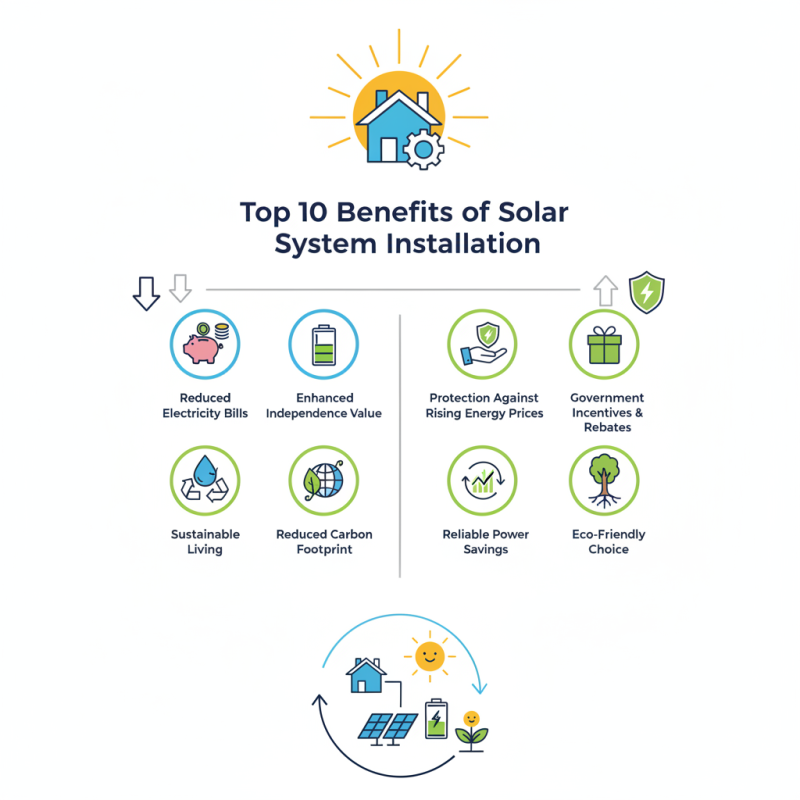
This chart illustrates the top 10 benefits of installing a solar system, highlighting significant advantages such as cost savings, environmental impact, and energy independence.
Cost Savings Through Solar System Installation
The cost savings from solar system installation are impressive. According to a report by the National Renewable Energy Laboratory, homeowners can save an average of $20,000 over 20 years. These savings stem from lower electricity bills. In some areas, solar energy can reduce monthly utility costs by 50% or more.
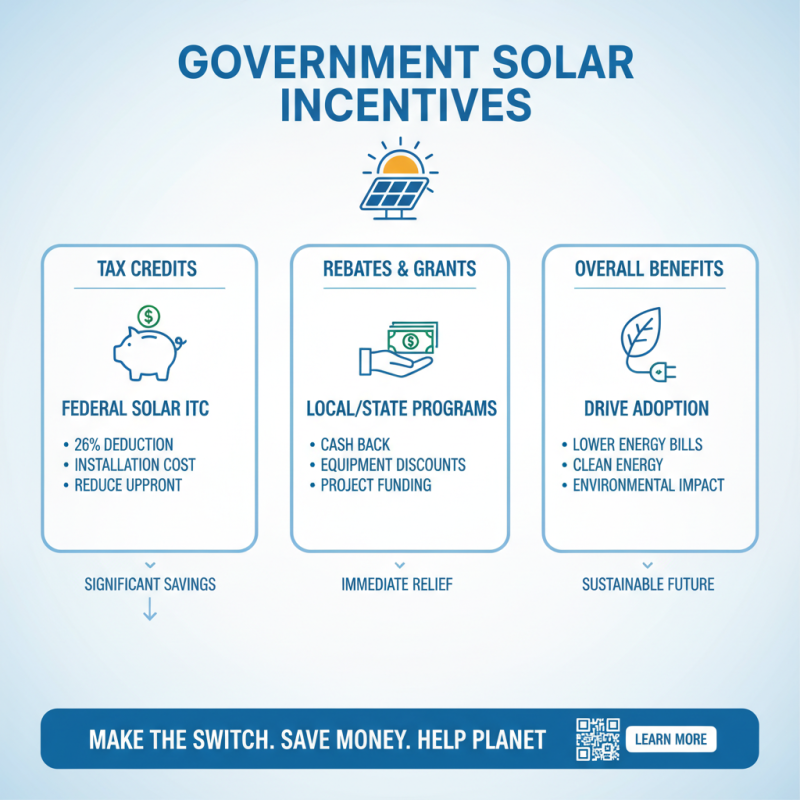
Moreover, solar systems often lead to tax incentives and rebates. For instance, the federal solar tax credit allows homeowners to recover a significant portion of installation costs. This means the initial investment feels less daunting. However, despite these savings, many people hesitate to make the switch. They worry about upfront costs and installation challenges.
Yet, the long-term benefits are hard to ignore. Reports suggest that solar-powered homes have higher resale values. They sell for about 4% more than comparable homes without solar. This aspect is crucial for many homeowners considering their financial future. It's worth reflecting on these benefits versus the uncertainty of fossil fuel prices. The costs of solar systems continue to decline, making it an increasingly viable option.
Top 10 Benefits of Solar System Installation Today
| Benefit |
Description |
Estimated Savings |
| Cost Reduction |
Lower monthly electricity bills by generating your own power. |
$100 - $200 per month |
| Tax Incentives |
Federal and state tax credits can significantly reduce installation costs. |
Up to 26% of installation cost |
| Increased Home Value |
Homes with solar systems can sell for more than those without. |
$15,000 average increase |
| Energy Independence |
Reduce reliance on foreign energy and local utility companies. |
N/A |
| Low Maintenance Costs |
Solar panels require minimal maintenance and have long lifespans. |
$200 - $300 yearly |
| Environmental Impact |
Reduce carbon footprint and reliance on fossil fuels. |
N/A |
| Job Creation |
Renewable energy creates jobs in manufacturing and installation. |
N/A |
| Grid Security |
Distributed energy generation increases grid reliability. |
N/A |
| Net Metering |
Earn credit for excess power generated and sent back to the grid. |
Varies by utility |
| Energy Storage Solutions |
Combine with battery systems for energy use at any time. |
N/A |
Environmental Benefits of Adopting Solar Technology
Solar technology presents significant environmental benefits for society. It reduces reliance on fossil fuels, which are major contributors to air pollution. By harnessing sunlight, solar panels generate clean energy. This process helps lower greenhouse gas emissions. For example, every kilowatt-hour generated from solar reduces carbon footprint.
Adopting solar energy also promotes biodiversity. Traditional energy sources often disrupt ecosystems. In contrast, solar installations can coexist with natural habitats. They can even enhance landscapes by providing shaded areas. This balance benefits local flora and fauna. However, we must acknowledge that solar farms can require land. Proper site selection is crucial to minimize negative impacts.
Additionally, the production of solar panels is not without challenges. Mining materials can lead to environmental degradation. Waste disposal remains a concern as well. The entire lifecycle of solar technology requires attention. Overall, while solar energy is a step in the right direction, ongoing efforts are needed to address potential shortcomings.
Increased Property Value with Solar Panel Installation
Installing solar panels can significantly enhance your property's value. According to a report by the U.S. Department of Energy, homes with solar energy systems sell for about 4.1% more on average. This translates to thousands of dollars in added value. Additionally, regions with abundant sunlight often see even higher returns. It's clear that going green is not just an eco-friendly choice; it’s also a smart investment.
Consider this: solar installations can reduce energy costs, making your home more attractive to potential buyers. A study by Zillow found that homes with solar energy features sold 20% faster than those without. However, an upfront investment is required. Property owners should carefully evaluate local incentives and rebates that can reduce initial costs.
Tips:
Evaluate the long-term savings against the upfront costs. Research local real estate trends to understand how solar impacts property values in your area. If you're unsure, consult with real estate professionals experienced in solar properties. Be aware of fluctuating market conditions that can affect the value-added aspect of solar panel installations. Taking these factors into account can help in making an informed decision.