Top Energy Solutions From China for Global Buyers?
In recent years, China has emerged as a global leader in energy solutions. Businesses worldwide seek innovative and sustainable options to meet their energy needs. This increase in demand highlights the importance of understanding China's advancements in this sector.
The diversification of energy sources is crucial. Chinese companies excel in renewable energy, like solar and wind. They have also developed efficient technologies for energy storage and management. These offerings can reduce costs and improve energy efficiency for global buyers. However, not all solutions may fit every market’s unique challenges.
Buyers must conduct thorough research when considering energy solutions from China. They should evaluate not only the technologies but also the reliability of suppliers. Investing in the wrong solutions can lead to setbacks. Thus, a careful approach is vital to harness the full potential of these advancements.
Leading Chinese Innovations in Renewable Energy Technologies
China is at the forefront of renewable energy technologies. Its innovations in solar, wind, and hydropower are transforming how energy is produced globally. The emphasis on renewable sources is noticeable, with significant investments aimed at sustainability.
The solar industry is particularly striking. China leads in solar panel production, significantly reducing costs for buyers worldwide. However, the dominance raises questions about competition and quality control. Buyers should approach with discernment. Verify certifications and warranties before making large investments.
Wind energy is another area with advancements. Offshore wind farms are expanding rapidly, generating clean energy. Yet, not all technology is the same. Some solutions may have a shorter lifespan or higher maintenance costs. Researching the longevity of equipment and learning from others’ experiences is essential.
Tips: Always consider local regulations and environmental impact. Engage with local experts to gain insights specific to your region's energy needs. Be cautious as the fastest solutions may not always align with long-term sustainability goals.
Solar Energy Solutions: China’s Role in Global Market Dynamics
China has emerged as a significant player in the solar energy market. The country's rapid development in solar technology has caught the world's attention. High efficiency and competitive pricing make Chinese solar products attractive to global buyers. In recent years, solar installations have surged, drastically impacting energy production.
Many nations look to China for affordable solar panels and innovative solutions. The Chinese government supports this growth through incentives and subsidies. However, this situation raises questions. Is there an over-reliance on one country for energy needs? Such dependency could create vulnerabilities in the global supply chain, particularly in challenging times.
Additionally, quality control is a concern. Not all products meet the same standards, leading to varying levels of performance and reliability. Buyers need to conduct thorough research. Understanding these dynamics is crucial for making informed decisions in an ever-evolving market. Companies must balance cost with quality to avoid long-term issues. Investing in reliable technology is vital for sustainable energy solutions.
Global Solar Energy Solutions Market Share (2023)
Wind Power Developments: Key Chinese Players and Their Contributions
China is leading the way in wind power developments, showcasing significant contributions to global energy solutions. According to a recent report by the Global Wind Energy Council, China accounted for approximately 40% of the total installed wind power capacity worldwide in 2022. This growth is driven by a surge in both onshore and offshore wind projects. The nation has aggressively invested in renewable energy, demonstrating a commitment to transitioning from fossil fuels.
A few key players have emerged from China, significantly impacting the global wind power landscape. These companies are pivotal in manufacturing turbines and supporting infrastructure. Innovations in technology and design have led to higher efficiency levels, translating into increased energy output. However, not all developments are without challenges. Many projects face environmental concerns and local resistance, highlighting areas for improvement.
Tips: For global buyers, seeking information on potential partners is essential. Evaluate companies based on their project track records and technological advancements. Consider regional regulations that may impact wind projects in different countries. Collaboration with local firms can also enhance project viability and acceptance.
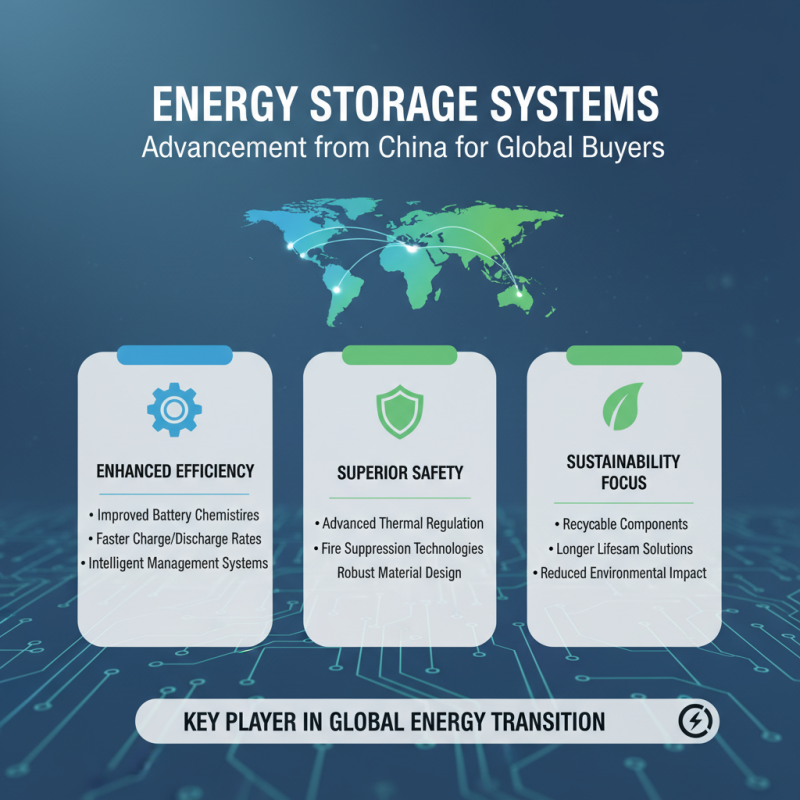
Energy Storage Systems: Advancements from China for Global Buyers
China is making significant strides in energy storage systems, positioning itself as a key player in the global market. With increasing energy demands and the push towards renewable sources, these systems offer a viable solution for balancing supply and demand. Recent advancements showcase innovative technologies that enhance efficiency, safety, and sustainability.
One remarkable feature of Chinese energy storage systems is their capacity for scalability. They can be tailored to fit various needs, from small-scale residential applications to large utility projects. The integration of smart technologies further allows for real-time monitoring and management. This adaptability is crucial in a world that is constantly changing and evolving. However, some buyers may find it challenging to navigate the vast array of options.
Despite these advancements, there are still areas for improvement. Issues such as the lifecycle of batteries and environmental impacts remain concerns. Ongoing research focuses on developing more sustainable materials and recycling methods. Buyers should consider these factors when evaluating solutions. Balancing innovation with environmental responsibility is essential for a future that strives for sustainability in energy.
Electric Vehicles and Battery Technologies: China’s Emerging Influence
China is rapidly becoming a leader in electric vehicles and battery technologies. In 2022, electric vehicle sales in China reached 6.9 million units, representing a staggering 55% of global sales. This growth reflects a broader shift towards sustainable transportation. The country’s extensive investment in battery manufacturing has positioned it at the forefront of innovation. By 2023, China's battery production capacity is projected to surpass 1,200 GWh, highlighting its dominance in the market.
Battery technology is crucial for the future of electric mobility. China's advancements in lithium-ion batteries have made electric vehicles more accessible. The average range of electric vehicles has improved significantly, often exceeding 500 kilometers on a single charge. However, concerns remain regarding recycling. A report by the International Energy Agency emphasizes that as the number of electric vehicles rises, so does the need for effective battery management and recycling systems. The current recycling rate for lithium-ion batteries is only about 5%, raising sustainability issues.
Emerging technologies, such as solid-state batteries, promise enhanced safety and efficiency. Yet, key challenges persist in terms of scalability and cost. The push for innovation is tempered by the need for a robust infrastructure to support widespread adoption. As China continues to advance its electric vehicle and battery technologies, the global market will undoubtedly look to this dynamic landscape for leadership and inspiration.
Top Energy Solutions From China for Global Buyers
| Category |
Key Features |
Market Growth (2023) |
Technology Type |
| Electric Vehicles |
Long range, Fast charging, Autonomous driving capability |
25% CAGR |
Battery Electric Vehicles (BEVs) |
| Battery Technologies |
High energy density, Fast charging, Safety features |
22% CAGR |
Lithium-ion, Solid-state batteries |
| Charging Infrastructure |
Fast chargers, Smart grid integration, Wide availability |
30% CAGR |
DC Fast Chargers, Wireless Charging |
| Renewable Energy Solutions |
Integration with EVs, Efficiency improvements, Smart technology |
15% CAGR |
Solar, Wind energy systems |