Top 5 Home Solar Energy Solutions for Your Needs?
As the demand for sustainable energy grows, home solar energy solutions have become increasingly accessible. According to Dr. Emily Carter, a leading expert in renewable energy, “Investing in home solar energy is a step towards a brighter future.” This statement reflects the shift in how we view energy in our homes.
Many homeowners are exploring various options to harness solar power. With so many products on the market, making the right choice can be overwhelming. Understanding individual energy needs is crucial. Not every home is suitable for solar installation. Factors such as roof orientation and climate can impact efficiency and output.
Even with advancements in technology, installations can face delays or challenges. Homeowners should prepare for unexpected costs and maintenance. It’s essential to research and choose a solution that aligns with your specific requirements. While the transition to home solar energy presents challenges, the long-term benefits are undeniable. Embracing this green technology can lead to significant savings and a reduced carbon footprint.
Understanding Solar Energy and Its Benefits for Homeowners
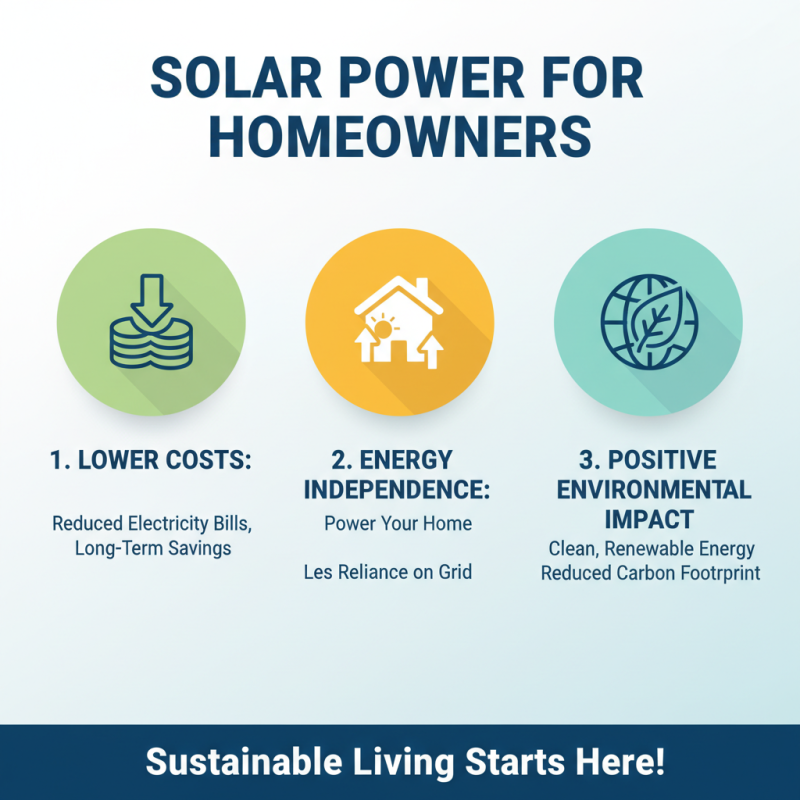
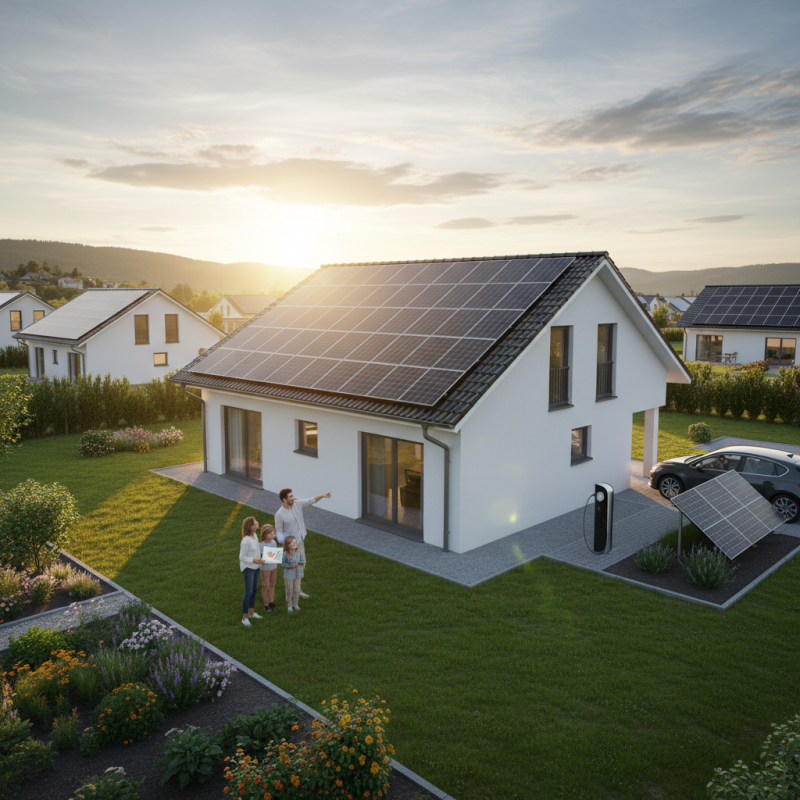
Solar energy has become an appealing choice for many homeowners. It offers a sustainable way to power your home while reducing energy bills. The benefits are significant: lower costs, energy independence, and a positive environmental impact.
Installing solar panels can be daunting. Many factors influence the decision, like locality and roof space. Homeowners should evaluate their needs carefully before making a choice. Research is essential to understanding which system best suits individual circumstances.
Tip: Consider your energy consumption patterns. Track your monthly bills for a year to understand usage and peak times. This information is vital when selecting a system.
Solar energy systems can vary in size and efficiency. Larger systems may produce more energy but can be costly upfront. The balance between cost and benefit is crucial. Always seek out detailed quotes and understand the long-term savings involved.
Tip: Look into government incentives for solar energy. These can significantly reduce your initial investment. Every little bit helps when going green!
An educated choice may mean more than just saving money. Think about how your decision impacts the environment. Sustainable energy sources like solar contribute to a cleaner planet. However, consider the implications of such systems concerning installation, upkeep, and potential maintenance challenges.
Types of Solar Energy Systems: An Overview of Options Available
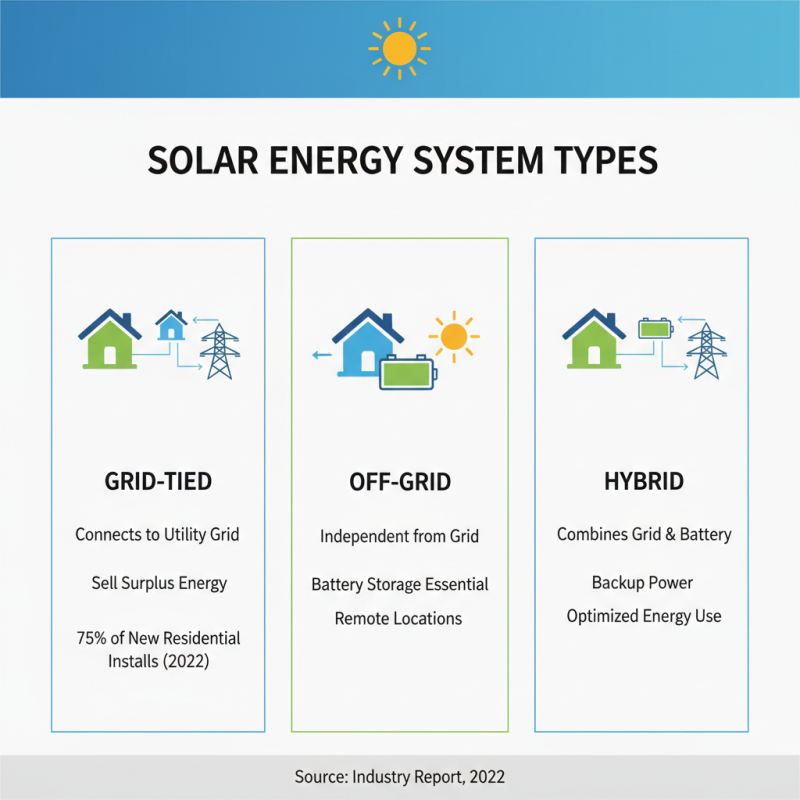
Solar energy systems come in various types, each tailored to specific needs. The most common are grid-tied, off-grid, and hybrid systems. Grid-tied systems connect to the local power grid. They allow homeowners to sell surplus energy back. In 2022, these systems constituted about 75% of new installations in residential settings.
Off-grid systems operate independently. They are perfect for remote areas. However, the initial cost of batteries adds complexity. A report stated that off-grid setups accounted for just 10% of installations. These are favored by those prioritizing energy independence.
Hybrid systems combine both features. They connect to the grid but also use battery storage. This option gives flexibility. According to recent market studies, hybrid systems are growing rapidly, attracting a 15% share.
Tips: Assess your energy needs before choosing. Each type has its own pros and cons. Understand local regulations too. Some incentives may apply.
You may find energy costs daunting. Price fluctuations can impact long-term savings. A detailed financial analysis helps weigh options. Make sure to consider the specific sunlight exposure of your property. Adapt your system choice accordingly.
Key Factors to Consider When Choosing a Home Solar Solution
When choosing a home solar solution, several key factors matter. First, consider your energy needs. Calculate your average monthly usage. This helps determine the size and type of system you require. Larger systems provide more energy but come with higher costs.
Think about installation space. Roof orientation and shading can impact efficiency. South-facing roofs usually perform best. If you lack space, consider ground-mounted options. They often allow better panel positioning.
**Tips:** Evaluate local regulations and incentives. These can significantly affect installation cost. Check if your area requires permits.
Lastly, analyze the financial aspect. Look into payback periods and financing options. Understand the long-term benefits. Solar can save money over time, but initial costs may be high.
**Tips:** Get multiple quotes. Prices can vary widely. Compare warranties, as this reflects quality and reliability.
Top 5 Home Solar Energy Solutions Comparison
This bar chart compares key factors for selecting home solar energy solutions. It includes metrics such as efficiency, cost per watt, lifespan, warranty, and installation time to help potential buyers make informed decisions.
Top 5 Solar Energy Solutions for Different Household Needs
When considering solar energy solutions for your home, different needs require different approaches. Families with high energy consumption might focus on robust solar panel systems. They usually require more extensive installation and initial investment. However, these systems can lead to significant savings over time.
Another option is solar hot water systems for households needing hot water. They effectively harness the sun's energy to heat water, making them efficient for daily chores. Maybe you want something more portable?
Small solar generators can serve that purpose. They’re excellent for camping or emergency power needs.
Planning for the future is essential. Assess your household's energy requirements now and how they might change later. Not all solutions are perfect—sometimes, they need adjustments after installation. Each household has unique energy goals, so it’s crucial to evaluate what works best for you.
Cost Analysis and Financial Incentives for Home Solar Installations
The cost of home solar installations can vary greatly. Many homeowners wonder if the investment is worth it. Initial costs can be high, often reaching thousands of dollars. However, considering long-term benefits is crucial. Lower energy bills are a big draw. Some reports suggest homeowners save up to 50% on monthly electricity costs.
In addition to savings, financial incentives can make solar energy more accessible. Tax credits and rebates are available in many areas. These incentives can significantly reduce the upfront cost. However, it can be complex to navigate these options. Understanding local policies is essential for maximizing benefits. Some people find the process overwhelming.
Financing options also matter. Many companies offer loans or leasing options. This flexibility allows homeowners to start without a large upfront payment. However, not all options are created equal. Some might end up costing more in the long run. It's important to compare different plans carefully. This reflection on costs can guide smarter choices for sustainable energy use.
Top 5 Home Solar Energy Solutions for Your Needs
| Solution Type |
System Size (kW) |
Cost Estimate ($) |
Estimated Savings Over 25 Years ($) |
Federal Tax Credit (%) |
| Grid-Tied Solar System |
5 |
$12,000 |
$30,000 |
26% |
| Off-Grid Solar System |
10 |
$25,000 |
$55,000 |
26% |
| Hybrid Solar System |
7 |
$18,000 |
$40,000 |
26% |
| Solar Roof Tiles |
5 |
$25,000 |
$35,000 |
26% |
| Solar Panel Kits |
3 |
$5,000 |
$15,000 |
26% |